
You’ll get through chores faster when you work smarter, not harder. Start with two-minute tidies, clean-as-you-go cooking, and a short weekly plan that keeps mess from piling up. Swap disposable items for reusable tools, keep a spot-clean caddy, and pretreat tough areas so deep cleans take less time. Try these practical swaps and routines to cut effort—then pick a few to try first and see what actually sticks.
Use the Two-Minute Rule for Quick Tidyups
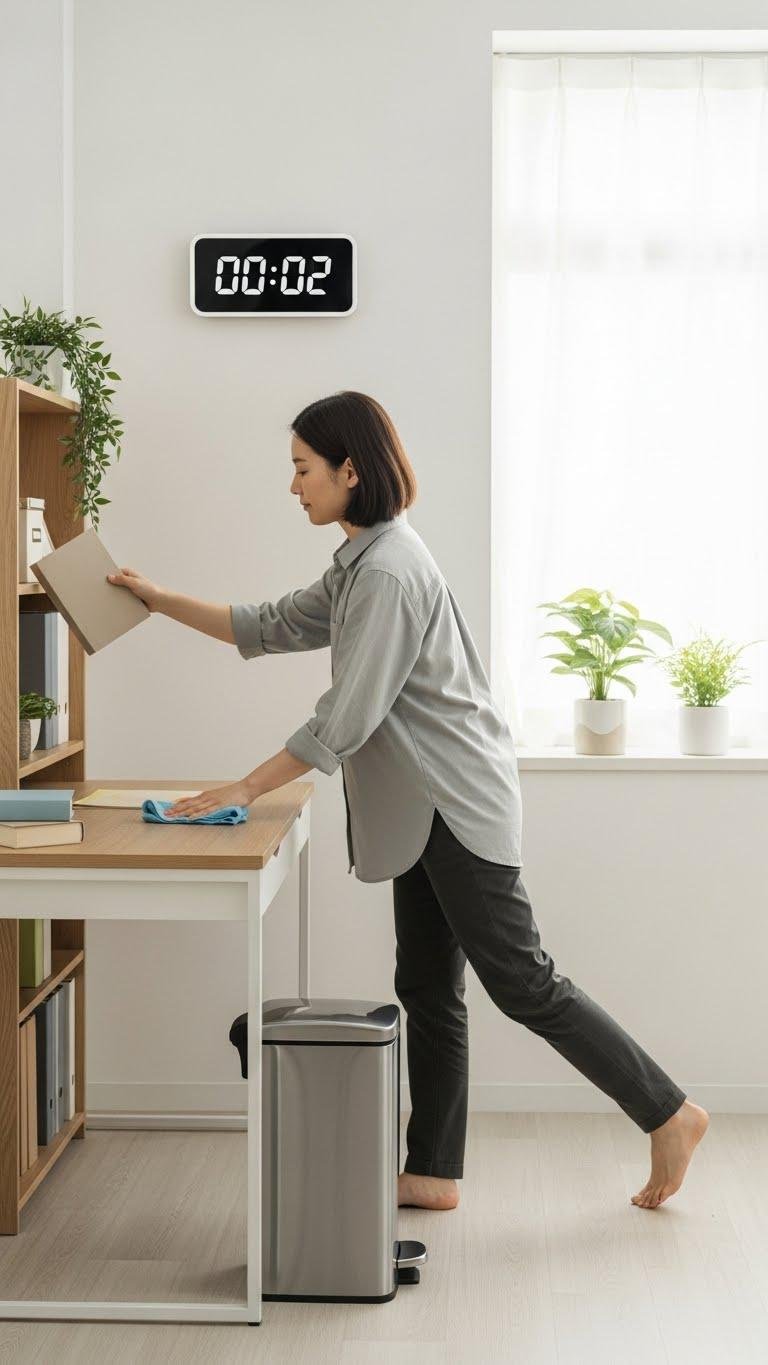
Often, you’ll have small messes that don’t deserve a long cleanup—use the two-minute rule: if a task takes two minutes or less, do it immediately.
You’ll adopt mindful maintenance by tackling quick spots, putting items away, wiping surfaces, and emptying bins.
This rapid reset prevents buildup, preserves your freedom, and makes chores predictable, simple, and easy to sustain daily.
Clean as You Go While Cooking
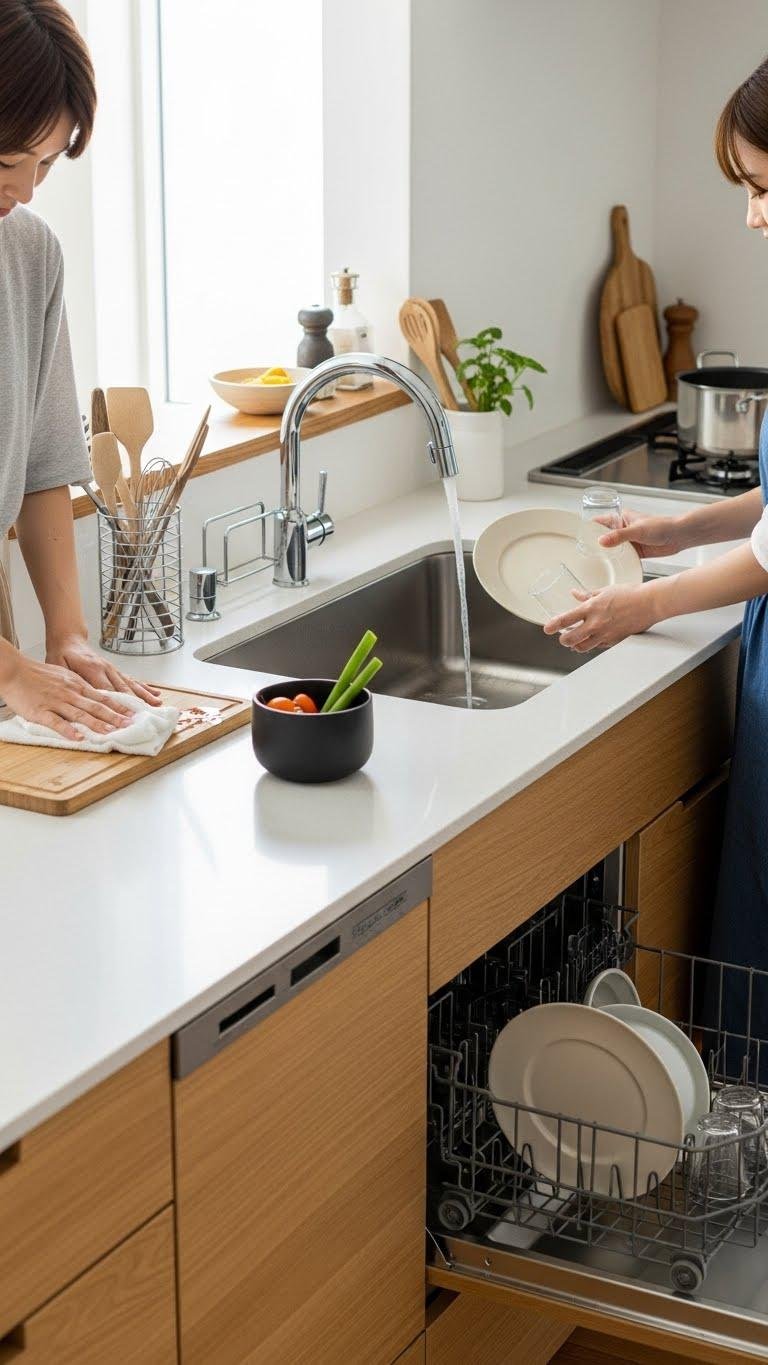
Keep your workspace tidy as you cook to cut total cleanup time and reduce stress. Rinse and load dishes immediately, wipe spills right away, and keep a small trash bowl nearby.
Schedule quick countertop maintenance between steps and practice utensil rotation to avoid pileups. You’ll finish meals faster, keep surfaces clear, and enjoy more freedom after cooking.
Make a Weekly Cleaning Schedule and Stick to It
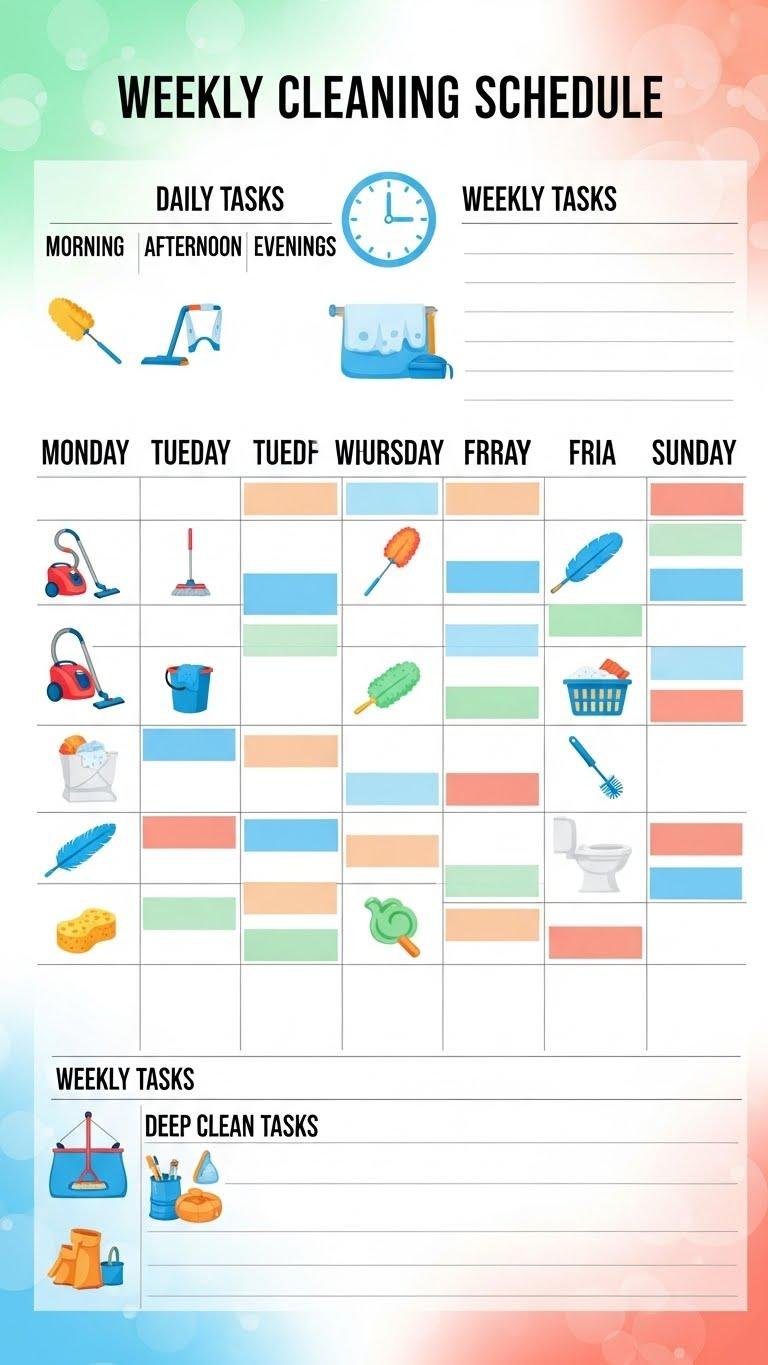
Regularly following a weekly cleaning schedule lets you break big chores into manageable, predictable tasks so nothing sneaks up on you.
Plan Time blocking slots for daily, weekly, and deep-clean tasks. Use Priority rotation to alternate high-effort rooms and quick touch-ups.
You’ll gain freedom by knowing when to clean, avoid burnout, and reclaim downtime without surprises — stick to the plan.
Use Microfiber Cloths for Faster Dusting and Polishing
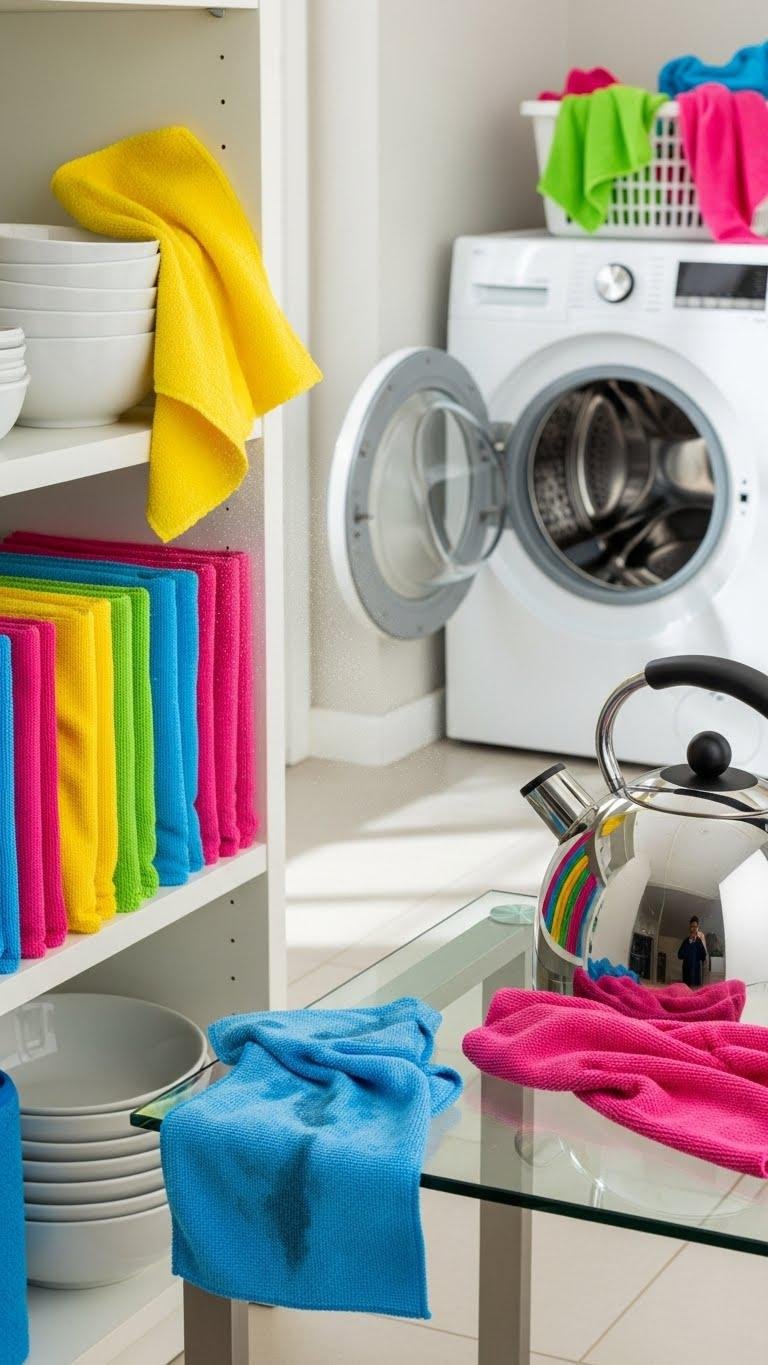
Once your weekly plan tells you what to clean and when, pick tools that make each slot faster—microfiber cloths are a top choice for dusting and polishing.
You’ll work smarter: use dry cloths for dust, slightly damp for grime, and a gentle polishing technique for shine.
Practice microfiber maintenance—wash separately, avoid fabric softener, air-dry—to keep freedom from frequent replacements.
Pretreat Toilets and Appliances Before Deep Cleaning
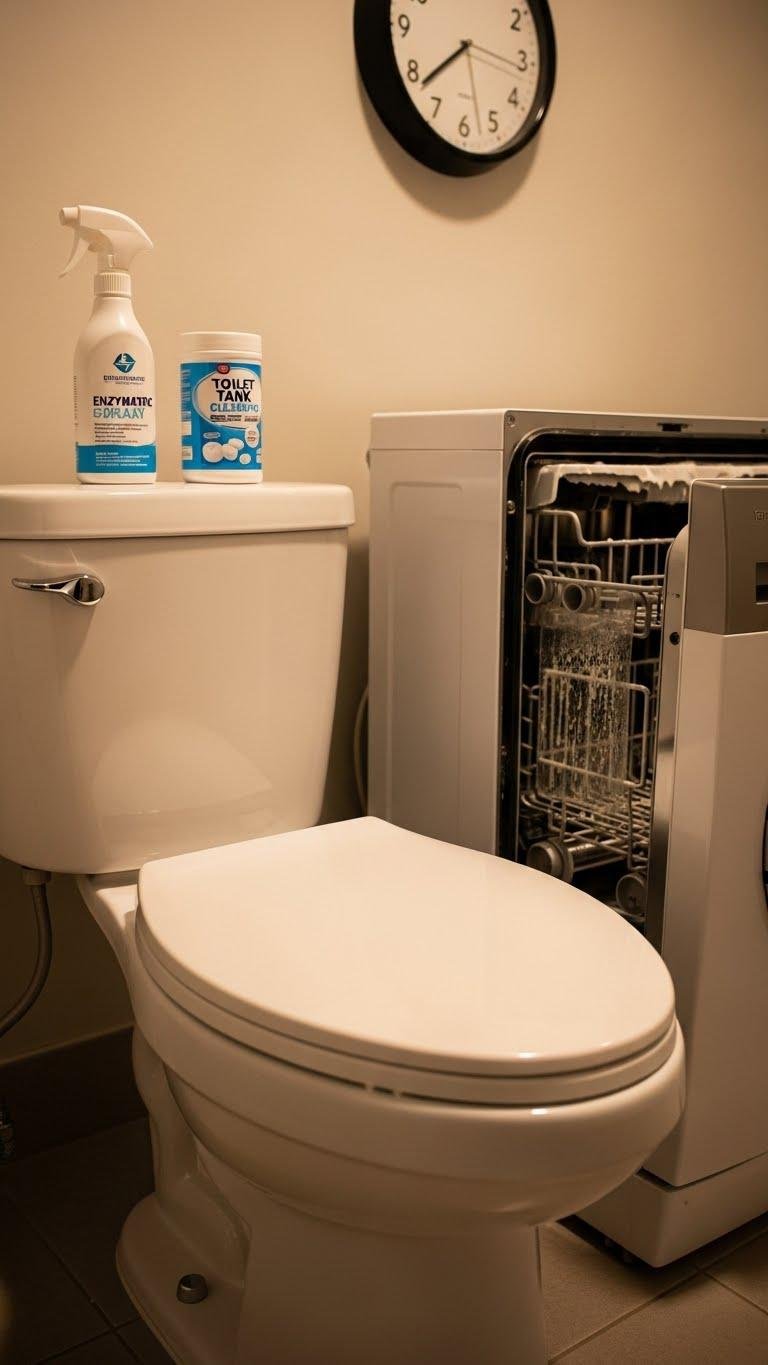
If you want faster, less strenuous deep-clean sessions, pretreat toilets and appliances the night before so soils loosen and cleaners work while you focus elsewhere.
Spray hinges, seals and bowl rims with enzymatic sprays, drop tank tablets in toilet cisterns, and coat appliance interiors lightly.
Leave overnight, then scrub and wipe; you’ll spend less time, get better results, and reclaim cleaning freedom.
Multi-Purpose Cleaners to Cut Product Switching Time
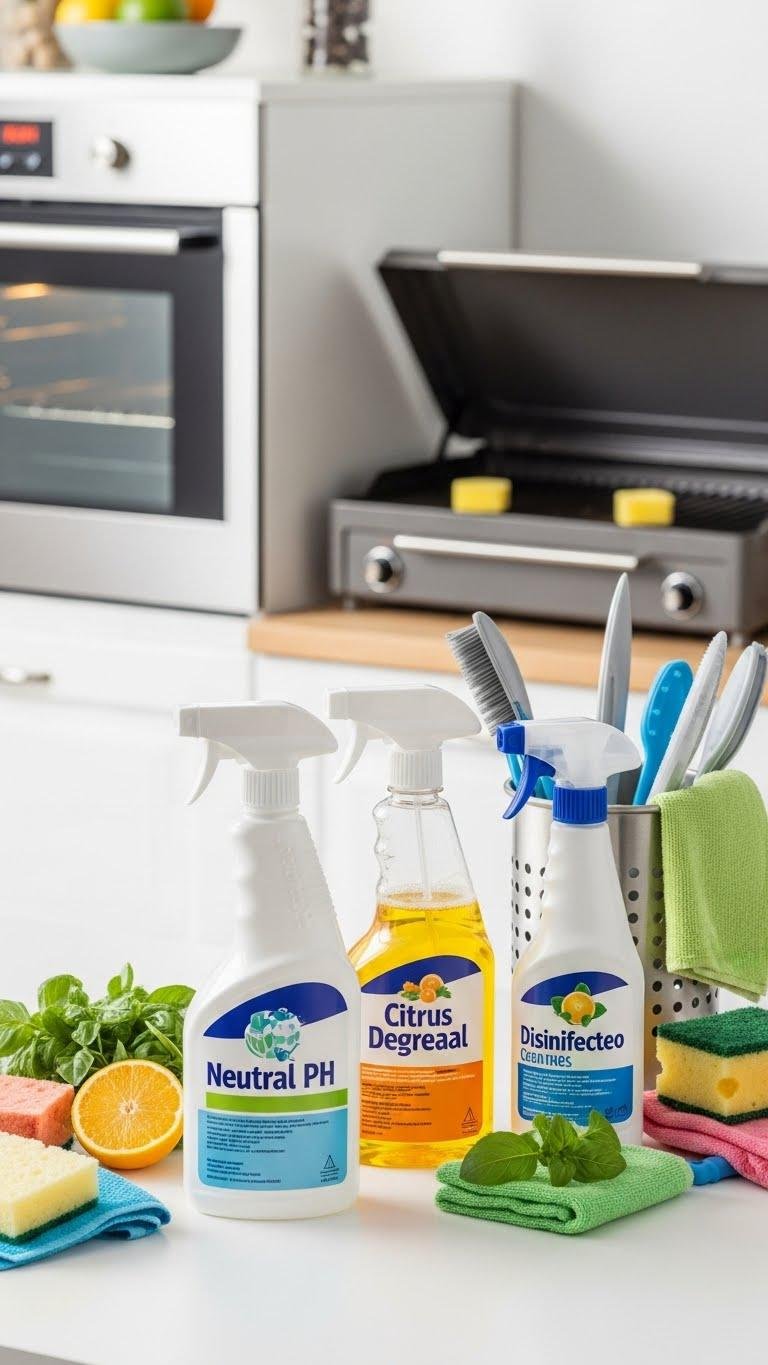
Cut down on product swaps by keeping a few true multi-purpose cleaners on hand: a neutral pH spray for sealed surfaces, a citrus or solvent-based degreaser for ovens and grills, and a disinfecting solution for bathrooms and high-touch spots.
You’ll speed tasks by grouping surfaces, using clear bottle labeling, and planning scent layering so cleaners don’t clash.
Pack tools for quick, liberated routines.
Freshen With Baking Soda for Odors and Stains
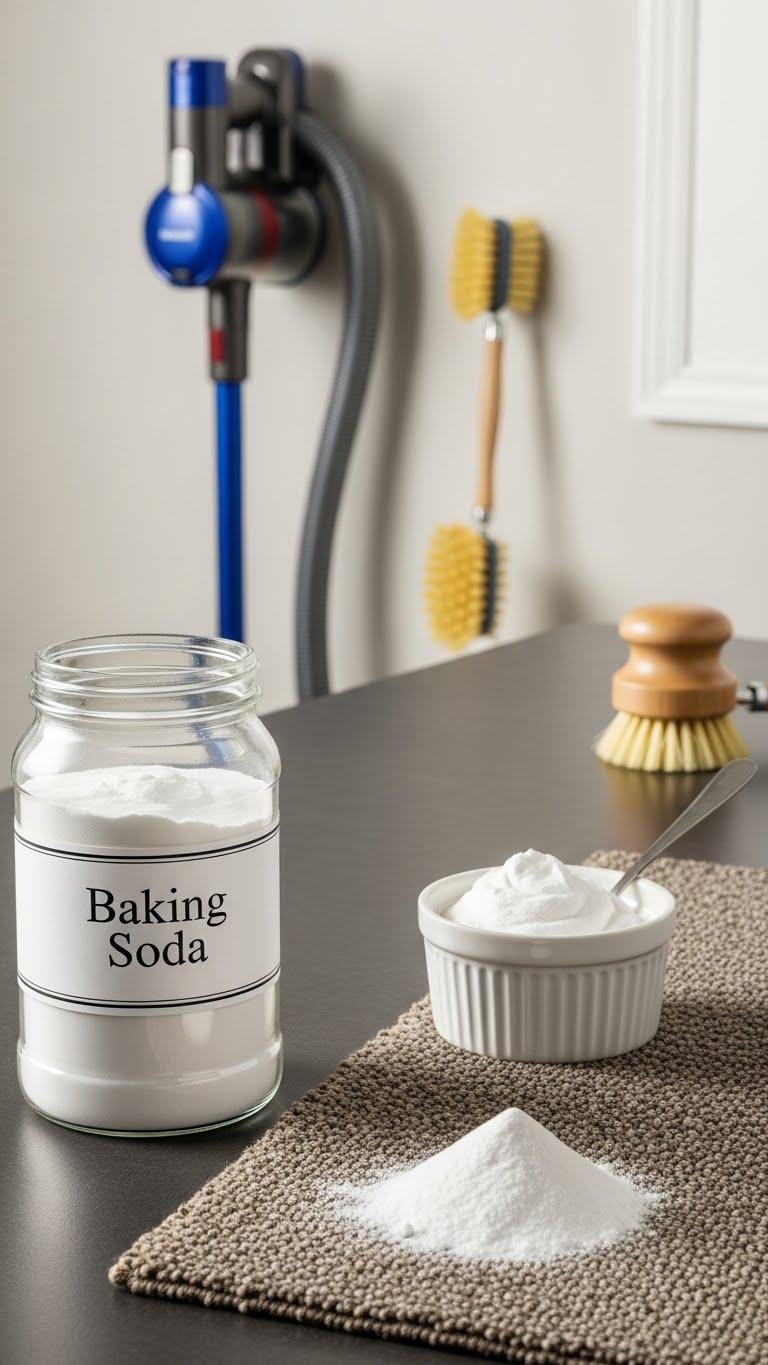
After you streamline cleaners, keep baking soda within reach as a low-cost, low-toxicity option for lingering odors and stubborn stains.
You sprinkle, wait, and vacuum or scrub: use as dry odor absorbers in bins, carpets, and shoes; make a paste to act as gentle stain neutralizers on fabric and surfaces.
Rinse, repeat, and store in a labeled jar for quick freedom.
Use Vinegar for Natural Stain and Lime-Scale Removal
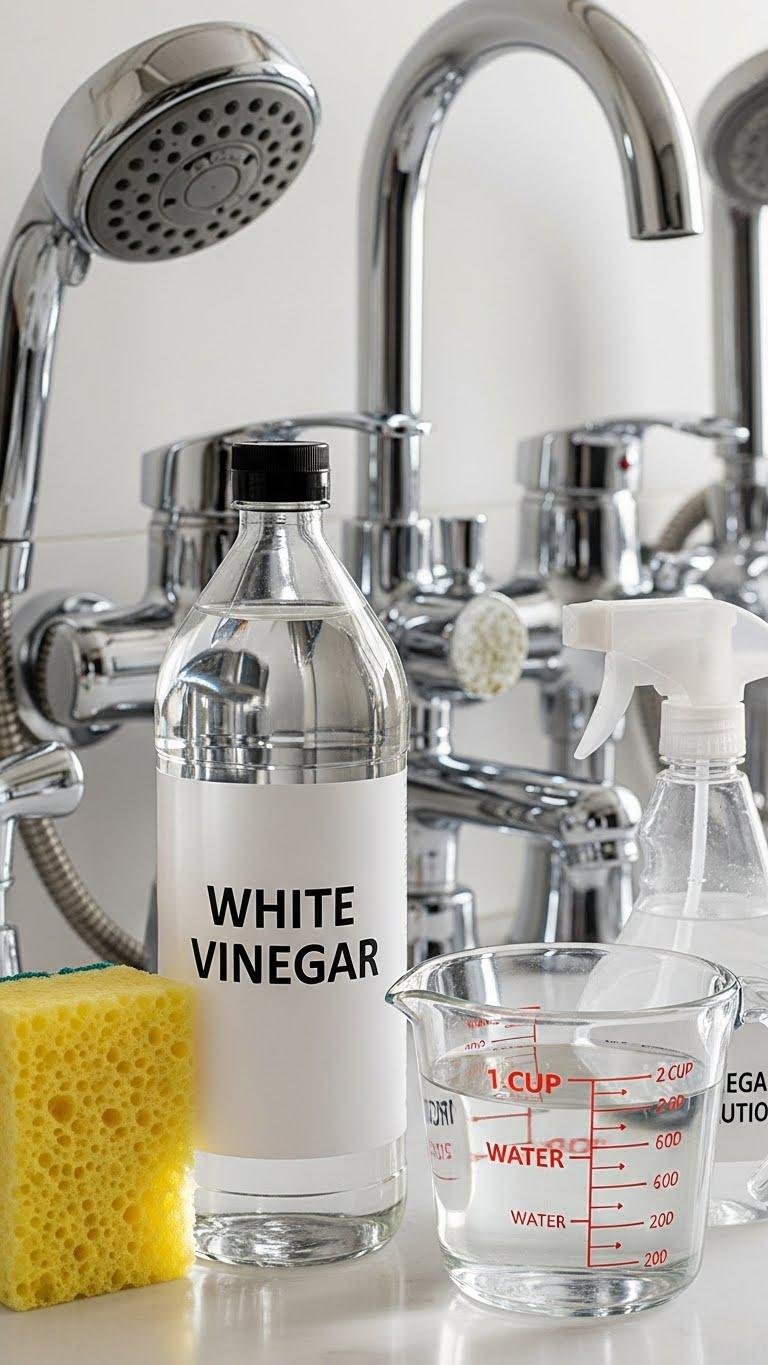
Reach for white vinegar when you need an inexpensive, non-toxic agent to dissolve lime-scale and lift common stains: its acetic acid breaks mineral deposits on faucets, showerheads, and kettle interiors and loosens soap scum and light rust on surfaces.
Choose vinegar concentrations for tasks (dilute 1:1 for regular cleaning, stronger for tough scale), and follow clear application methods: soak, spray, wait, scrub, rinse.
Lemon as a Natural Disinfectant and Deodorizer
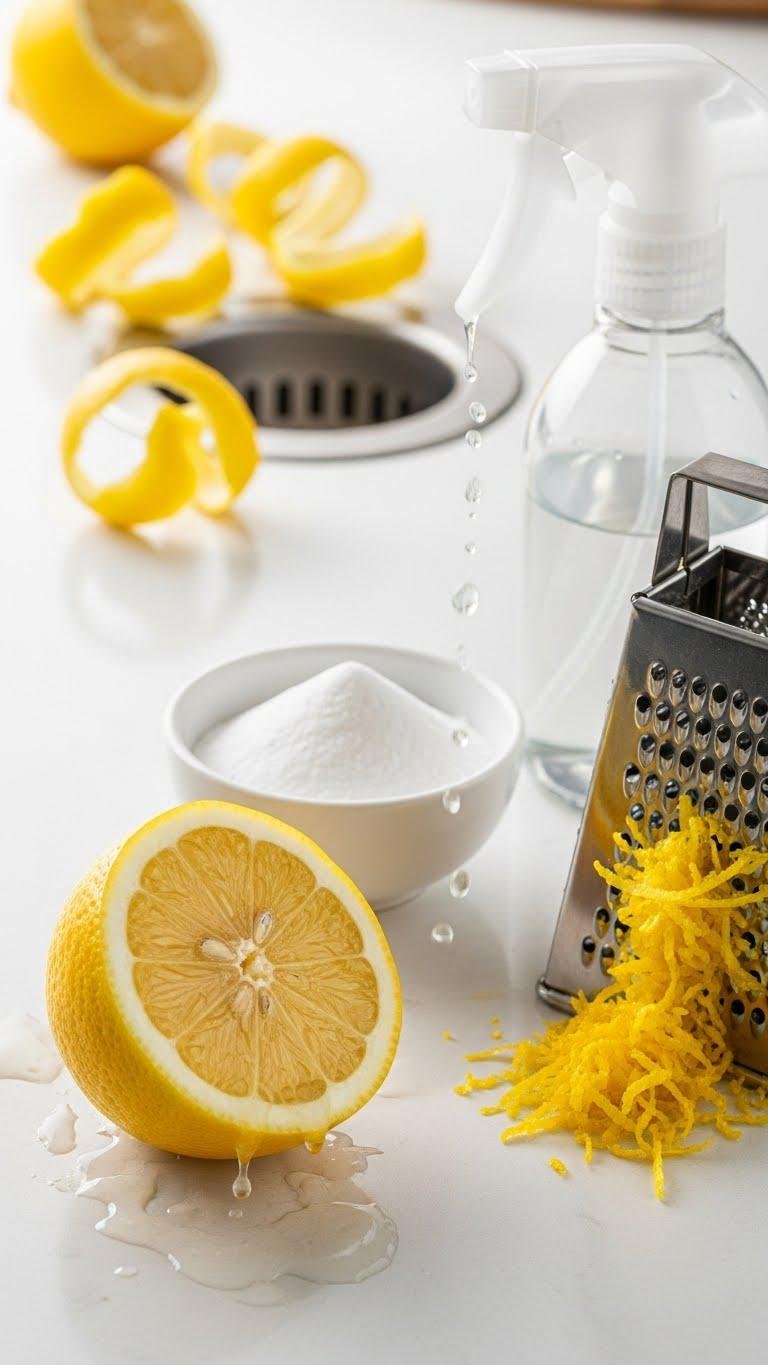
Vinegar handles mineral buildup and stains well, but when you want a fresher scent and antibacterial lift, grab a lemon. You’ll wipe counters with lemon juice, let citrus acids disinfect, then rinse. Save lemon peel to freshen drains and compost.
Dry and grate lemon zest to mix with baking soda for a versatile deodorizer. Simple, quick steps keep your space clean and free.
Remove Water Marks From Furniture With Mayonnaise

Rub a dollop of mayonnaise into white water rings to lift the moisture stain without harsh chemicals.
Let the mayonnaise poultice sit 30–60 minutes; you’ll see the ring fade as oils penetrate.
Wipe residue, then buff gently to restore wood finish.
Repeat if needed, but test an inconspicuous spot first.
This simple, freeing trick avoids solvents and preserves your furniture’s look.
Use Ketchup to Lift Chewing Gum and Tough Stains
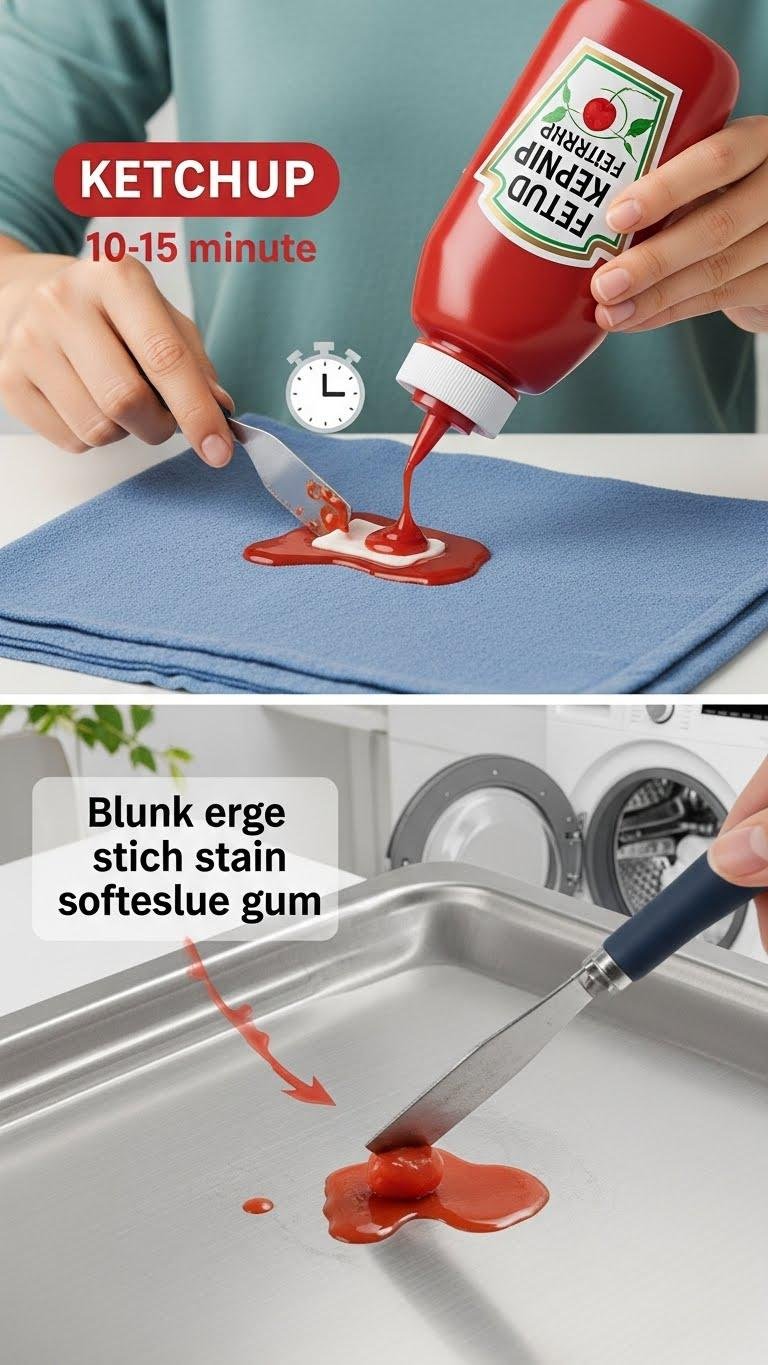
Got an old wad of chewing gum stuck to fabric or a stubborn stain on metal or ceramic? You can test ketchup efficacy: apply a thin layer, let enzymes work 10–15 minutes, then blot and rinse.
For gum removal, gently lift softened gum with a blunt edge. Repeat if needed, launder or wipe surface, then air dry. Simple, freeing, low-cost method.
Vacuum From the Farthest Corner Toward the Exit
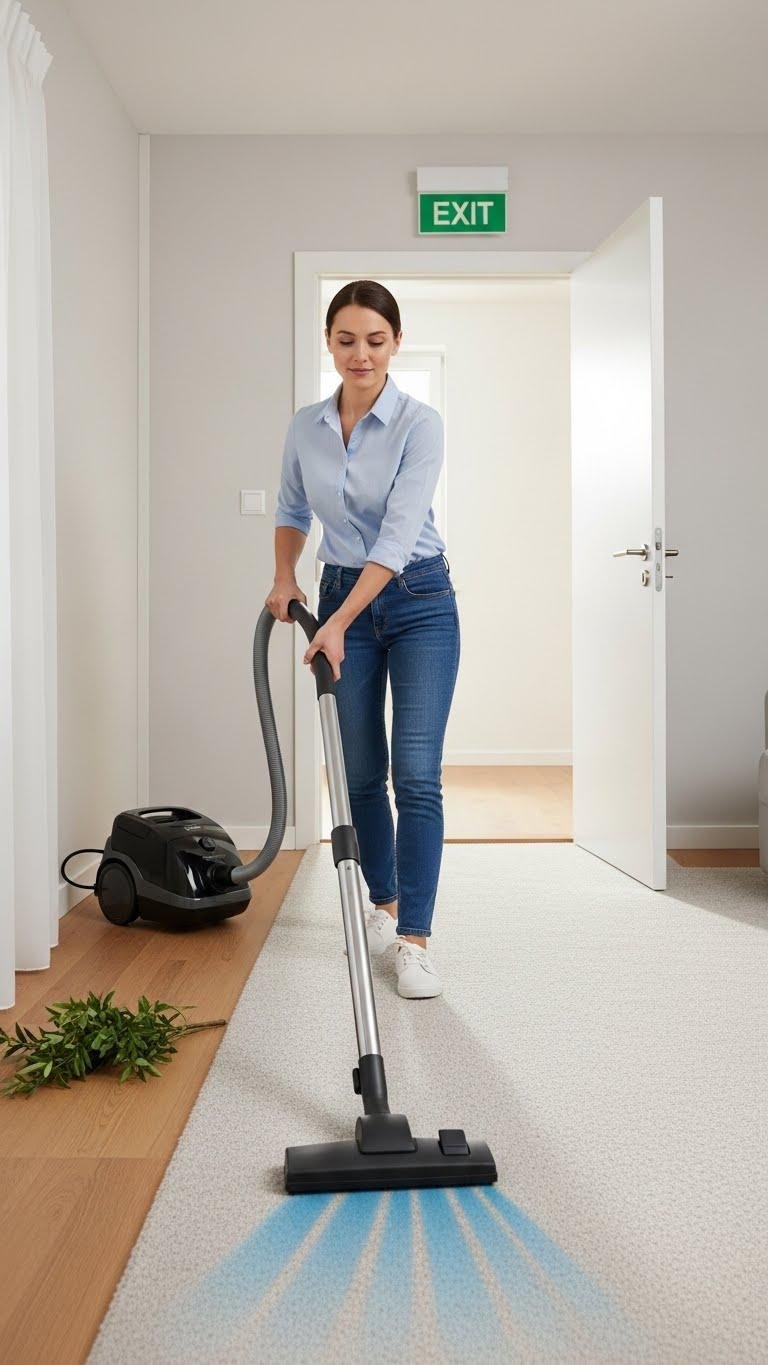
When you start vacuuming from the farthest corner and work toward the exit, you avoid re-soiling cleaned areas and save time by leaving traffic paths last.
Plan a clear path planning route: scan the room, remove obstacles, and map a corner to exit line.
Move methodically, overlap slightly, and finish at the doorway so you leave a clean, free space without backtracking.
Sweep Before Mopping to Protect Delicate Floors
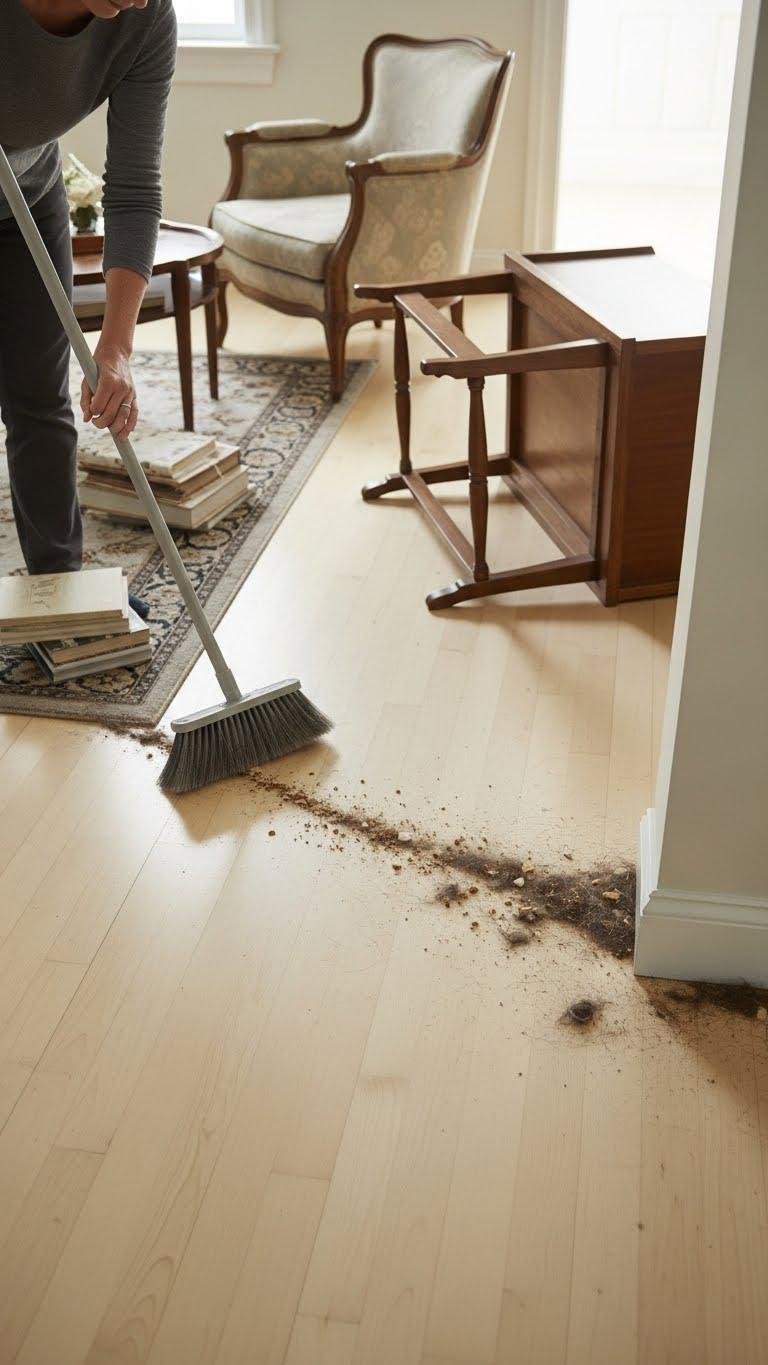
Start by sweeping up grit and dust before you mop so you don’t grind abrasive particles into delicate flooring.
You’ll work methodically: clear furniture, use a soft broom or microfiber dust mop for bare floorcare, sweep toward one exit, and empty debris promptly.
Focus on particle capture at edges and corners to prevent scratches and extend your floor’s freedom to look and perform like new.
Optimize Dishwasher Use to Save Water and Time
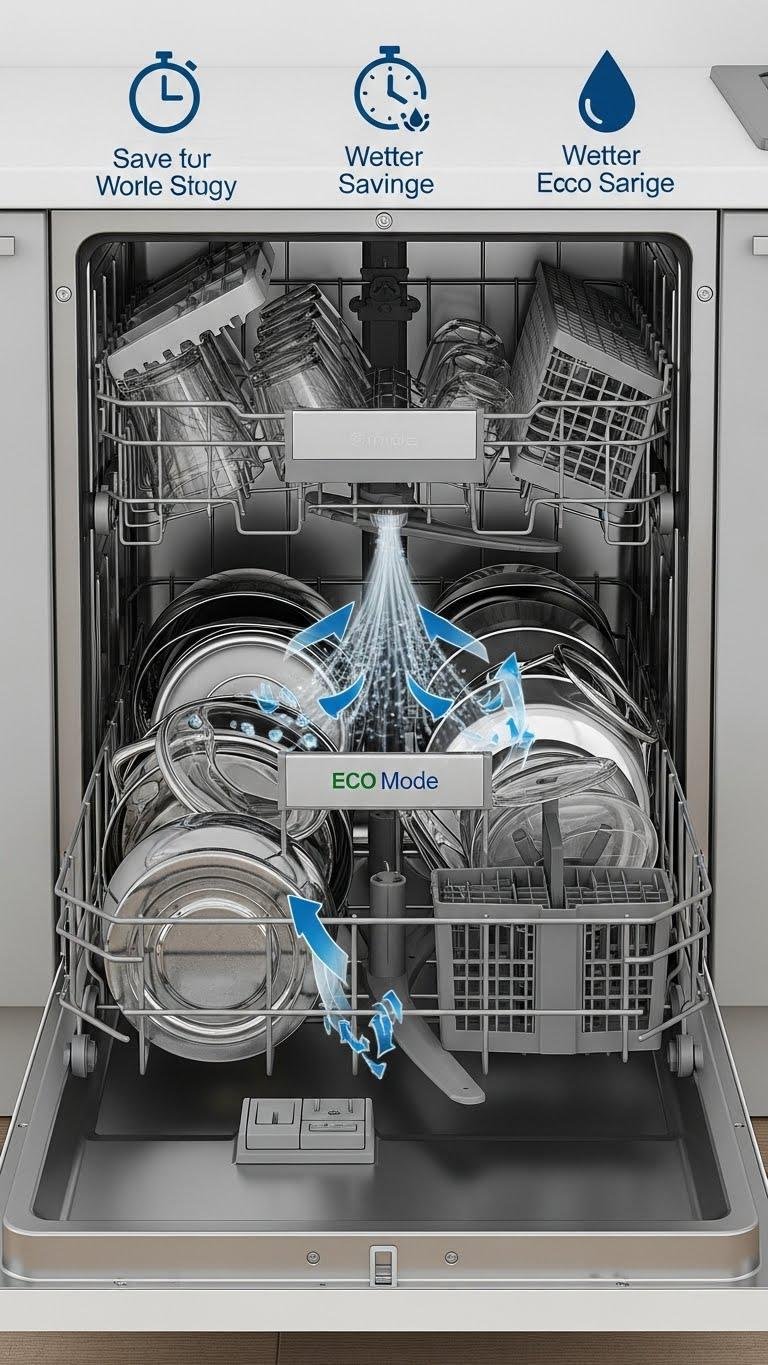
Load your dishwasher strategically to cut water use and save time: scrape off food scraps, avoid pre-rinsing, nest items so water reaches all surfaces, place pots and pans along the sides, and keep filters and spray arms clear so cycles run efficiently.
Run full cycle loads, use eco settings, stagger heavy items, and perform sensor maintenance regularly to guarantee accurate detergent dosing and shorter, water-wise cycles.
Divide Chores Among Household Members Effectively
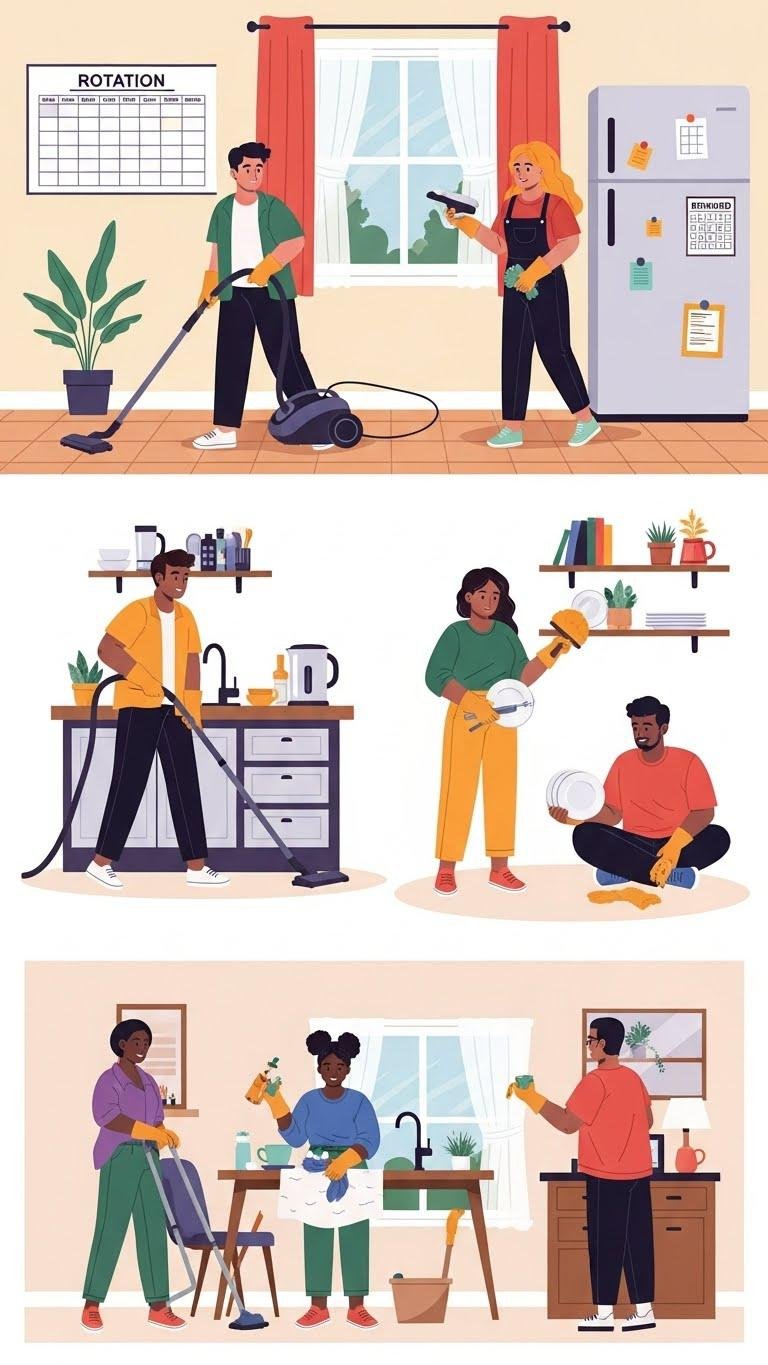
Although it feels easier to do everything yourself, dividing chores lets you keep the house tidy without burning out—so map tasks to strengths, set clear expectations, and rotate responsibilities regularly to keep things fair.
You’ll assign roles, use chore rotation for variety, and add reward incentives for consistency. Schedule brief check-ins, adjust loads, and protect your free time while sharing responsibility.
Create a Monthly Deep-Clean Checklist for High-Impact Areas
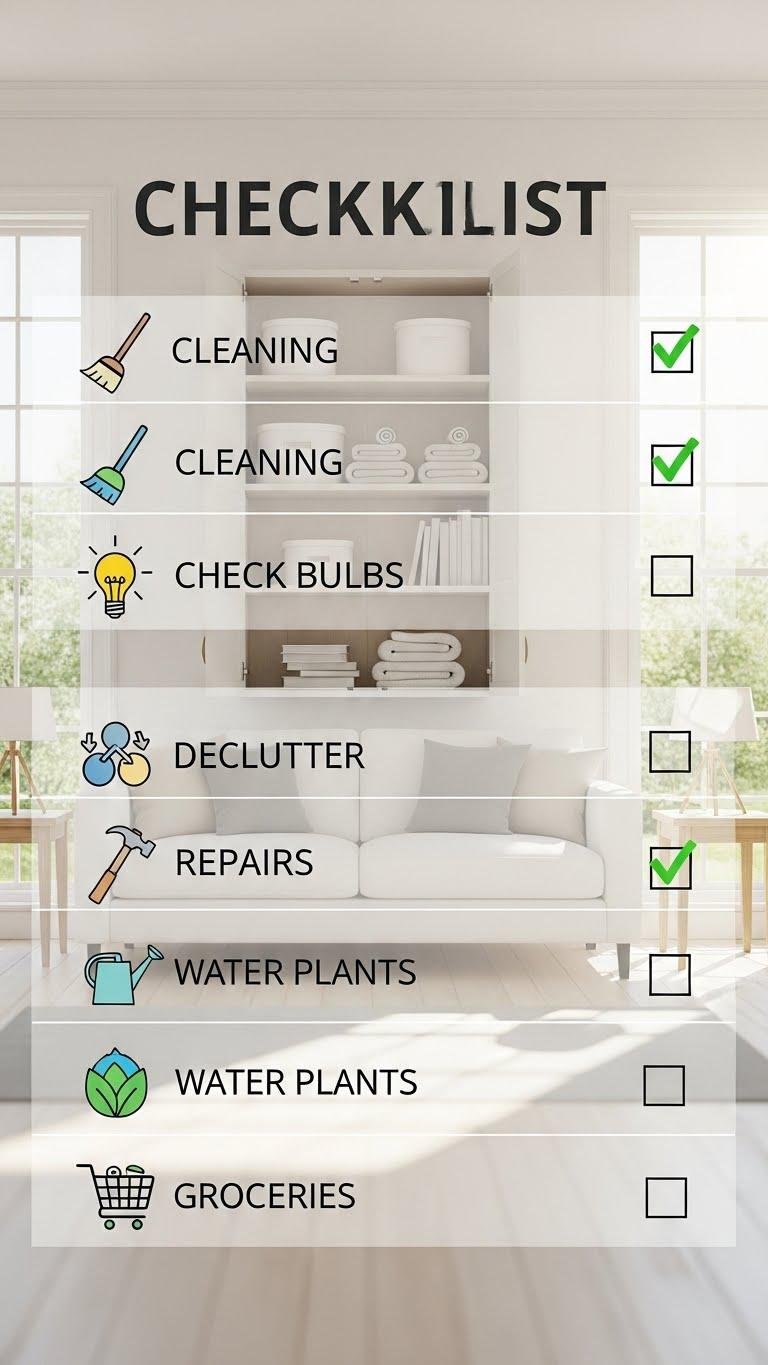
Once you’ve balanced weekly chores among everyone, set a simple monthly deep-clean checklist that targets high-impact areas so your routine stays low-effort and high-return.
Identify zones, assign tasks, and schedule seasonal rotation for linens, closets, and storage. Include cabinet reorganizing, dusting vents, decluttering surfaces, and checking lightbulbs. You’ll free time and maintain order without constant effort.
Tackle High-Priority Rooms First: Kitchen and Bathroom
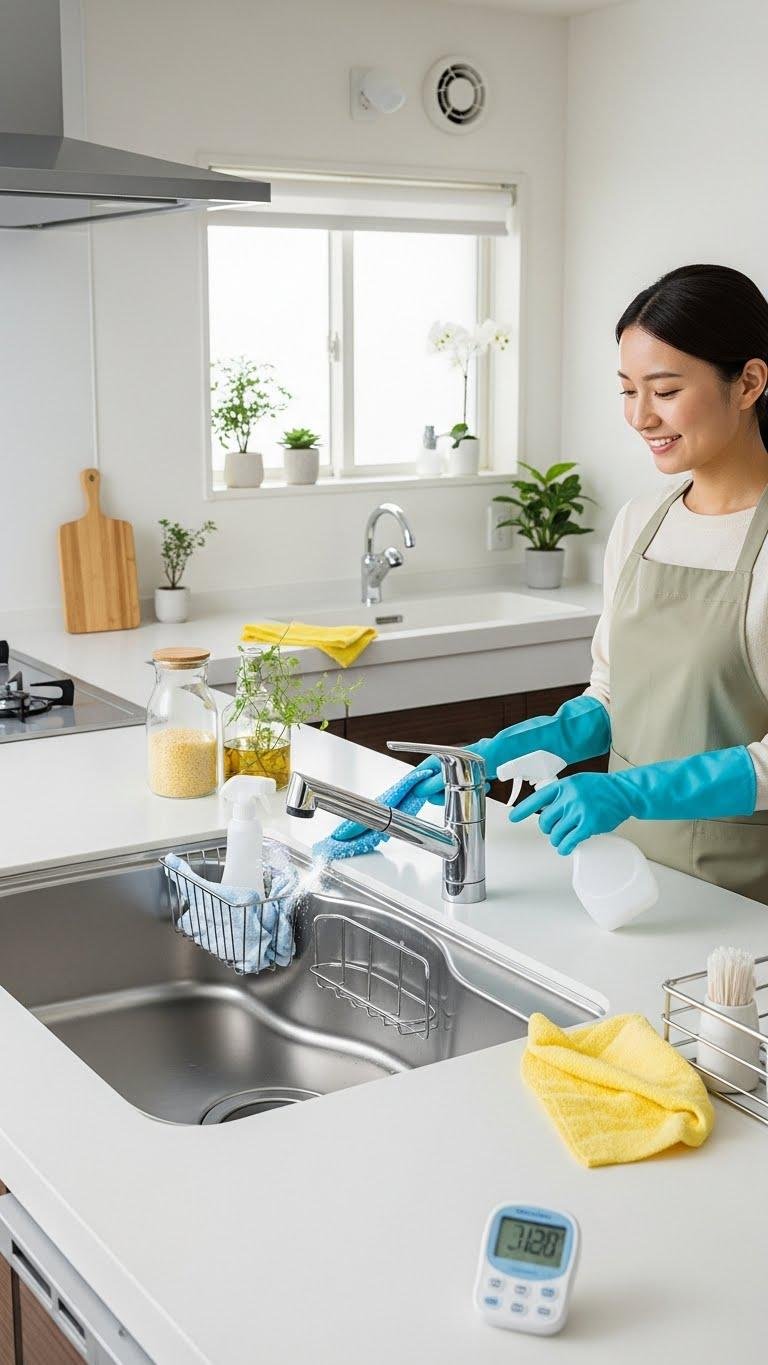
Because the kitchen and bathroom handle the most daily mess and germs, start your deep-clean cycle there to get the biggest payoff for the least effort.
You focus on surfaces, drains, and high-touch spots as a deep cleaning priority. Use quick, germ focused ventilation, targeted cleaners, and timed tasks.
This systematic approach saves time, reduces risk, and frees you to enjoy your home.
Wash Bedding Weekly to Control Allergens

After you’ve handled kitchen and bathroom hotspots, shift attention to the bedroom where allergens collect in bedding every night. Wash sheets, pillowcases, and duvet covers weekly in hot water to reduce dust mites.
Choose hypoallergenic fabrics and dust-mite-proof covers. Vacuum mattress surfaces and practice mattress rotation every three months.
Consistent routine frees you from sneezes and keeps sleep clean and effortless.
Treat Carpet Stains Immediately for Best Results
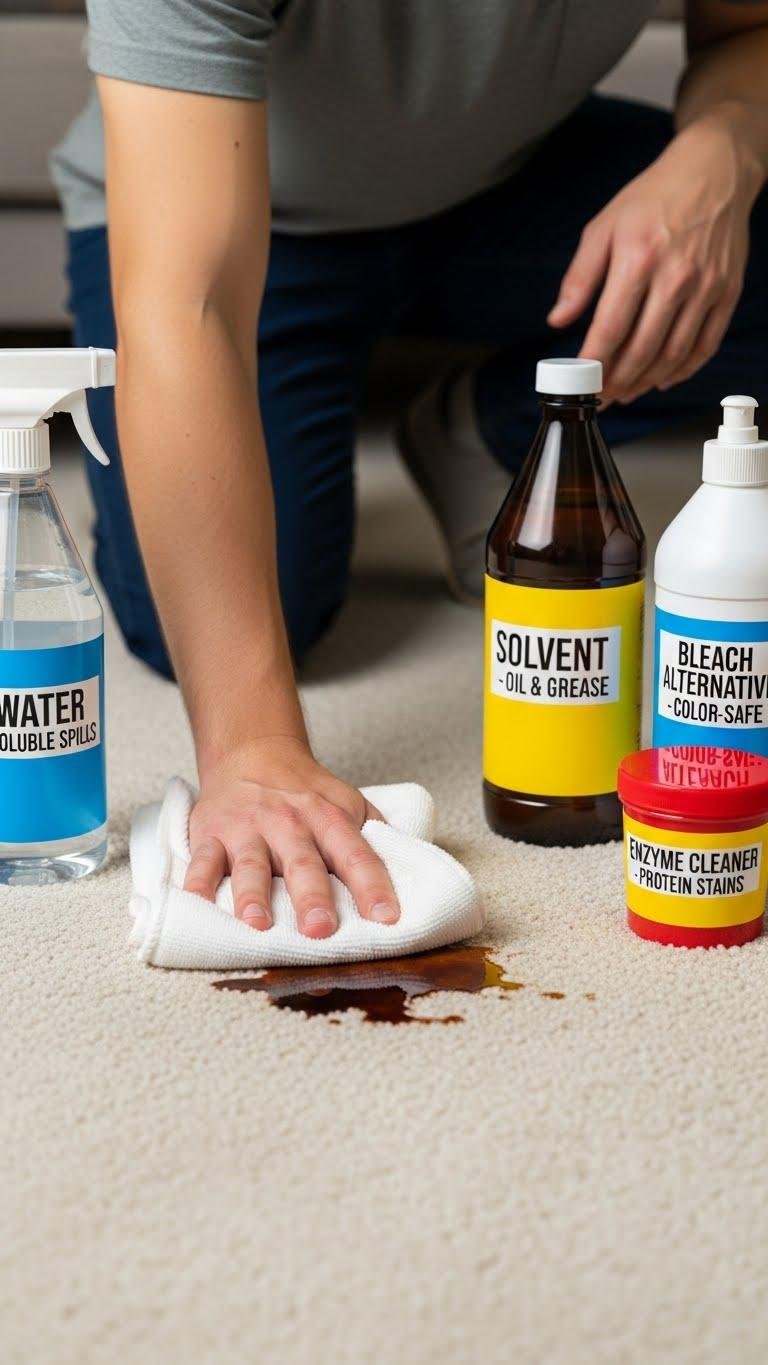
If you catch a spill right away, you’ll dramatically increase your chances of removing it completely; treat carpet stains immediately by blotting—never rubbing—then applying the appropriate cleaner for the stain type.
You’ll do fabric identification quickly, test cleaners discreetly, and act on basic stain chemistry: water for soluble spills, solvent for oils.
Blot, lift, repeat, then air-dry to regain control.
Use Attachments and Shortcuts to Speed Up Vacuuming
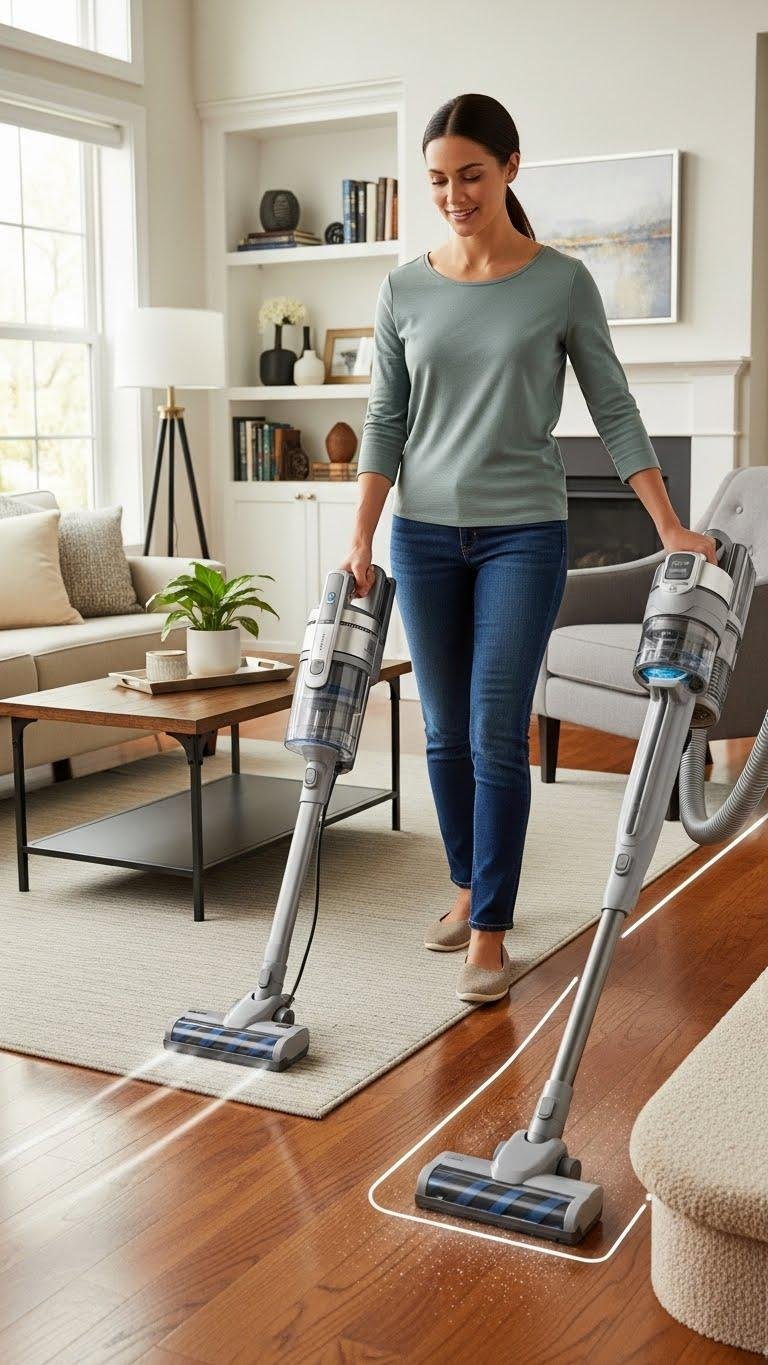
Once you’ve stopped stains at the source, speed up routine cleaning by using the right vacuum attachments and a few smart shortcuts.
You’ll grab crevice tools for edges, brush heads for upholstery, and switch to a wand for stairs. Plan a clockwise route, clear obstacles first, and embrace cordless maneuvering to finish faster.
Small prep and the right tools free up your time.
Hide Clutter Smartly Between Guests With Quick Fixes

When guests are arriving in an hour, stash the obvious clutter fast with a few reliable tricks: keep a couple of decorative baskets by the door for magazines and toys, use an ottoman or bench with hidden storage for blankets and pillows, and toss small items into a shallow tray on a console table to look intentional.
Then, sort remaining items into hidden bins or quick baskets, label zones, and prioritize visible surfaces.
Keep a Small Caddy of Essentials for Spot Cleaning
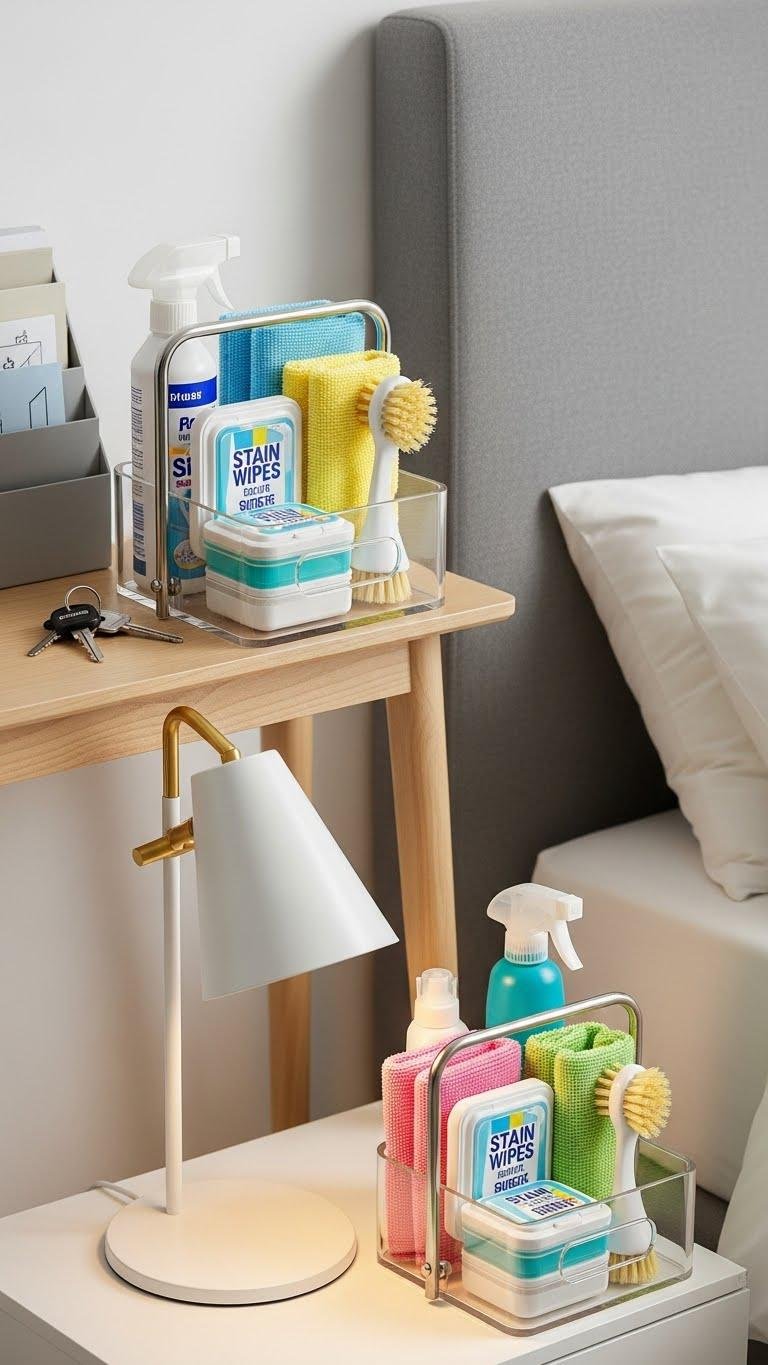
Because quick messes never wait, keep a small caddy stocked with your go-to spot-cleaning tools so you can tackle spills in seconds.
Pick a mini caddy with spray, microfiber cloths, stain wipes, and a small brush. Store one by the entry and another with nightstand essentials so you can respond fast, stay free of buildup, and keep cleaning minimal.
Use Prep Soaks to Reduce Scrubbing Time on Tough Messes
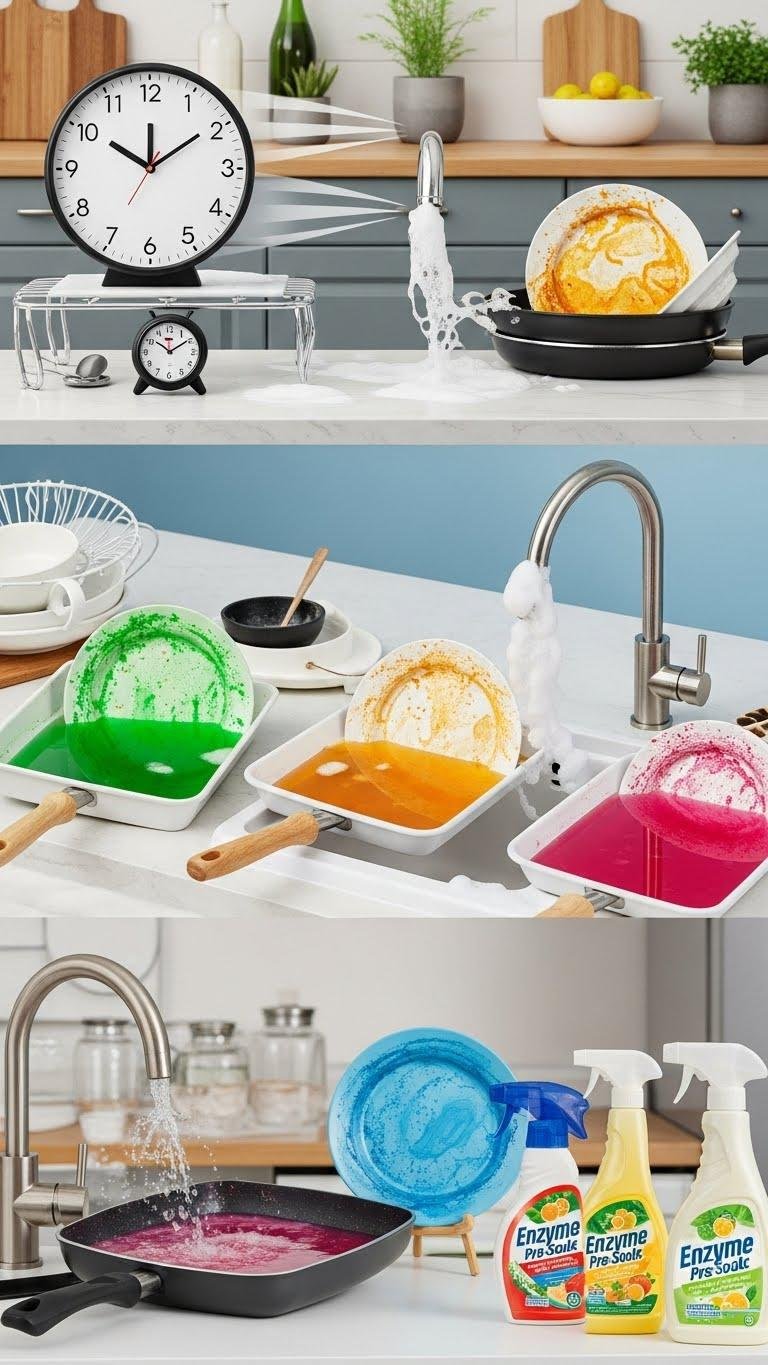
If you want to cut down on elbow grease, soak stained dishes, pans, or grimy bathroom fixtures before you scrub—this loosens baked-on food and dissolved soap scum so you can clean faster.
Choose enzyme soaks for protein and grease, or citrus pre soaks for odors and mineral build-up.
Set timers, rinse, then wipe — you’ll finish quicker and reclaim time for what matters.
Replace Single-Use Products With Reusable Tools to Save Time

While disposable wipes and paper towels seem convenient, switching to reusable cloths, scrubbers, and silicone tools will cut both waste and the time you spend restocking supplies.
Choose cloth napkins for spills, microfiber for streak-free surfaces, and bamboo brushes for grout and dishes.
You’ll develop a streamlined kit, launder efficiently, and enjoy fewer errands—more freedom, less clutter, consistent results.
Schedule Short Daily Tasks to Avoid Lengthy Spring Cleaning
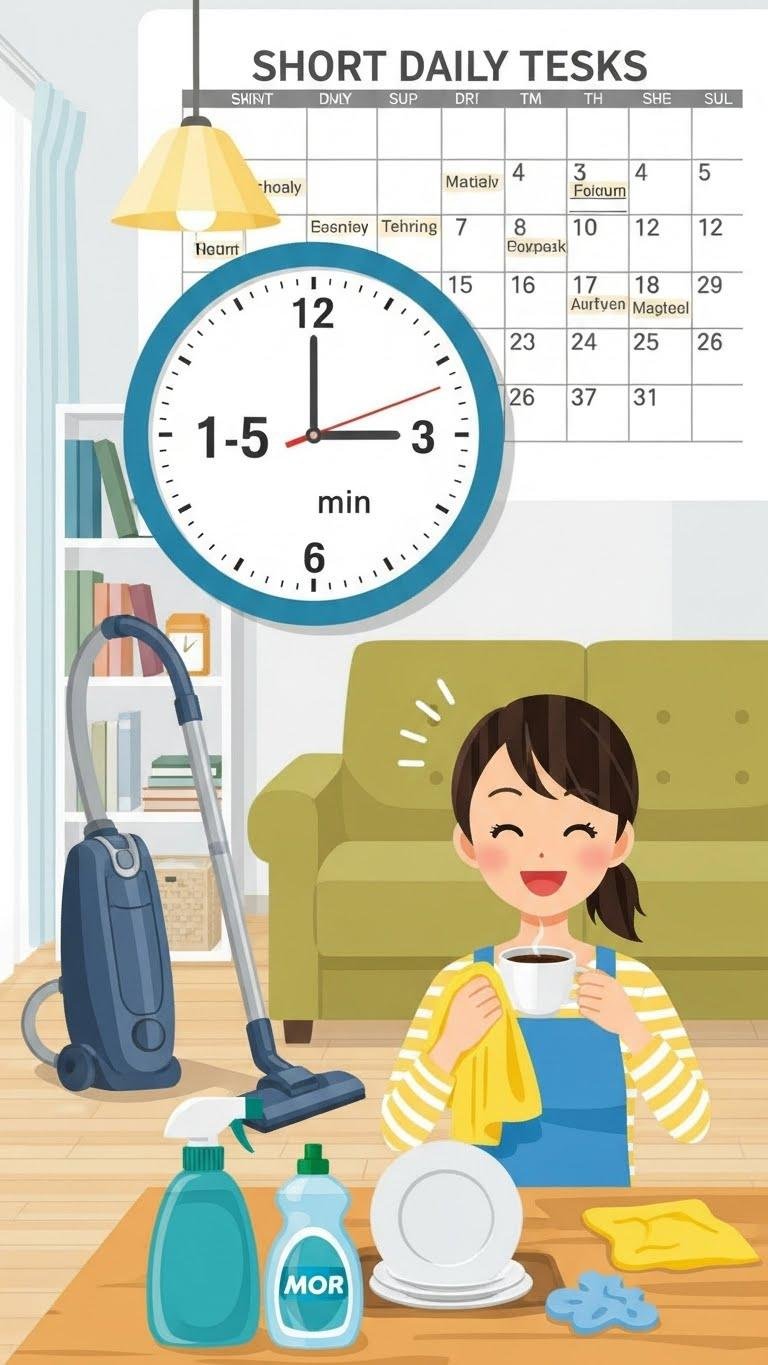
Regularly doing short, focused tasks keeps your home manageable and prevents seasonal overhauls.
You’ll schedule 10–15 minute micro breaks for targeted chores — dishes, quick vacuum, wipe surfaces — and link them to existing routines.
Use habit stacking: attach a cleaning mini-task to morning coffee or evening chill time.
This systematic approach frees time, reduces stress, and stops spring cleaning from snowballing.