
You can reclaim calm without overhauling your life — start with tiny, focused actions that actually stick. Try 10-minute tidies, sort with four boxes, and set simple limits so stuff stops piling up. I’ll share practical steps for zones, papers, sentimental items, and routines that keep clutter gone — plus ways to stay motivated and make it sustainable.
Start With Small, Manageable Tasks
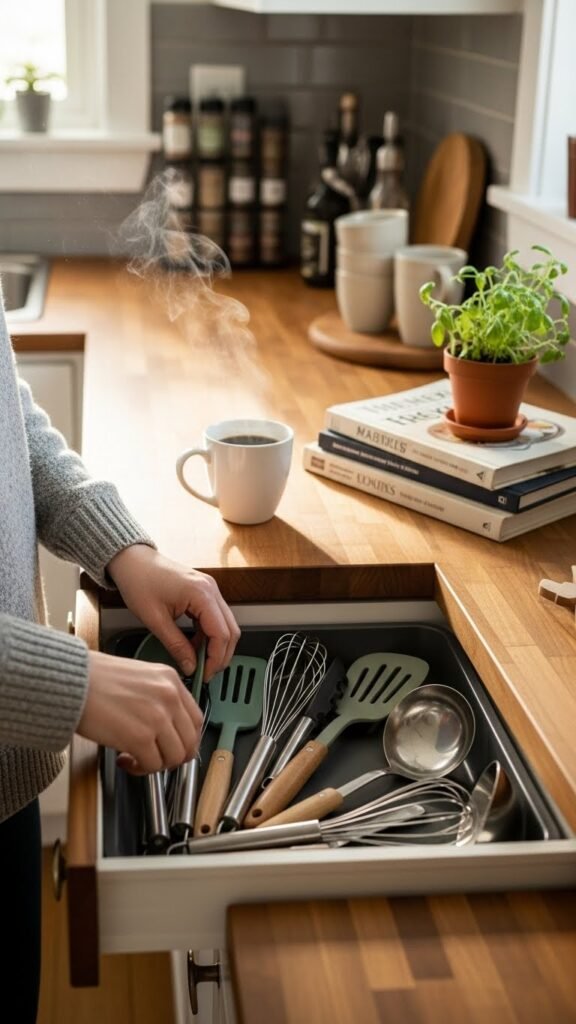
Start by tackling one small area at a time so the job doesn’t feel overwhelming. You’ll use micro decluttering challenges to chip away daily, making progress without burnout.
Combine short tasks with habit stacking techniques — like clearing one drawer after your morning coffee — so decluttering becomes automatic. You’ll feel lighter, gain momentum, and reclaim freedom without big, scary commitments.
Set a Clear Decluttering Goal

Because a vague intention rarely leads to lasting change, set a specific decluttering goal you can measure and act on—whether it’s clearing one closet this week, sorting 10 items a day, or donating five bags by month’s end.
Picture the result with Goal Visualization, pick realistic steps you’ll enjoy, and use Deadline Setting to stay accountable. Celebrate small wins; freedom grows steadily.
Use the Four-Box Method
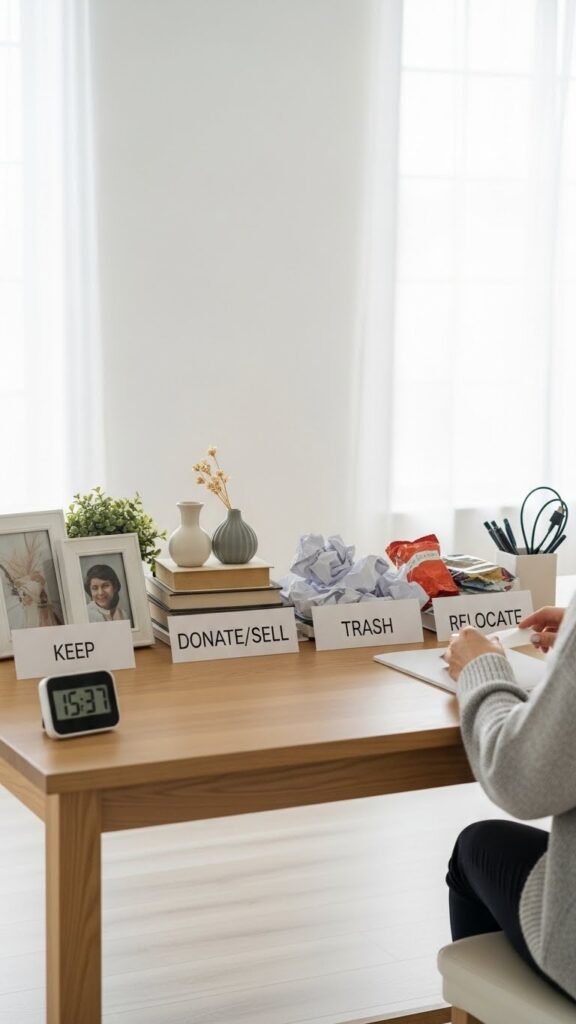
Break your cleanup into four simple piles so you won’t get overwhelmed: Keep, Donate/Sell, Trash, and Relocate.
Use them for every item to move past emotional attachment quickly.
Set a timer, trust instincts, and avoid overthinking.
The system reduces decision fatigue so you’ll finish faster, feel lighter, and create space that supports freedom without guilt or endless second-guessing.
Prioritize by Frequency of Use
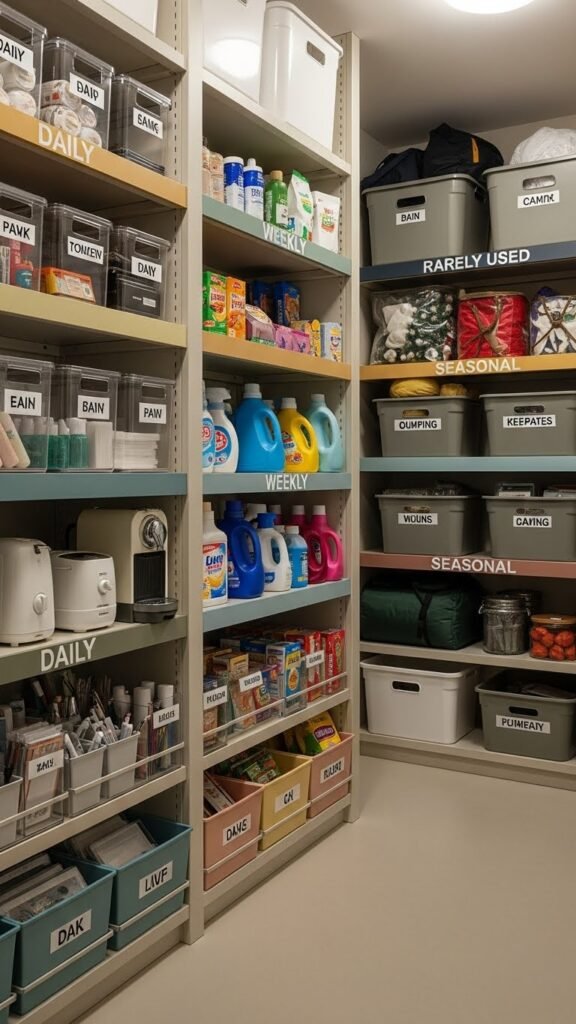
Often you’ll find that the things you use every day deserve the best spots, so sort items by how often you actually reach for them.
Tackle one zone, note usage frequency, and assign access priority: daily items front and waist-high, weekly items nearby, rare things tucked away.
This simple system gives you fast access, less decision fatigue, and more freedom in your space.
Apply the “Does This Spark Joy?” Test
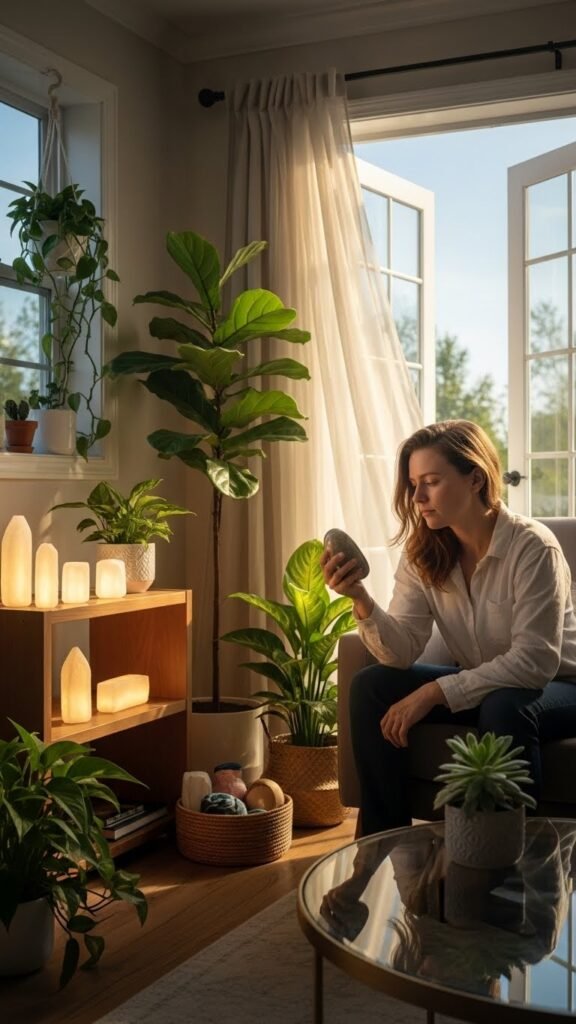
Curious whether an item really matters to you? Ask if it sparks joy; hold it, notice feelings, and decide. Honor emotional attachment without letting it chain you. Acknowledge cultural rituals that give objects meaning, then choose freedom: keep what uplifts, donate or let go of the rest. Trust your gut, be gentle, and create space that reflects who you want to be.
Create a Donation and Recycling System
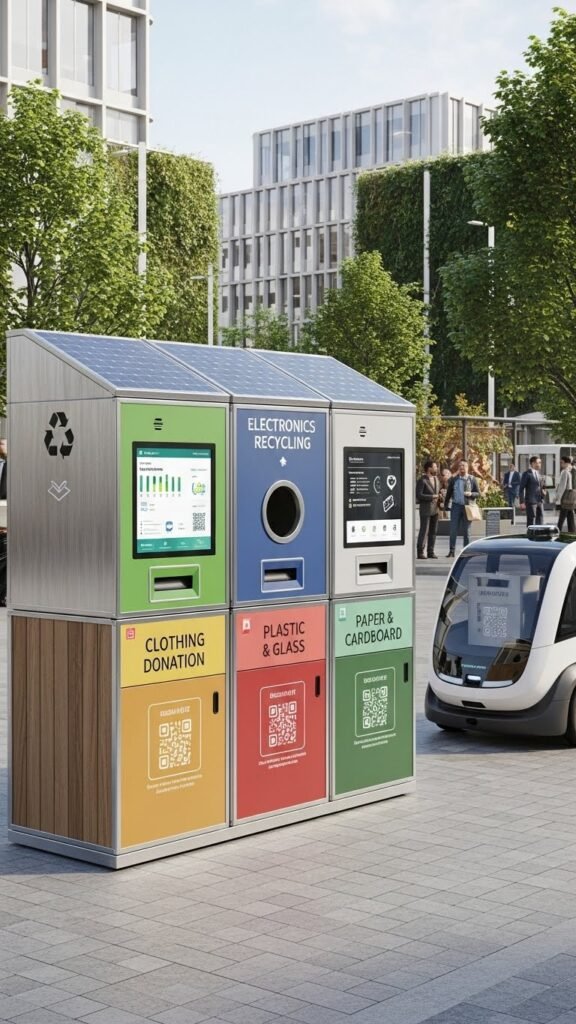
Set up a simple donation and recycling system so you can move items out quickly and responsibly. Decide where donations go, note donation logistics like drop-off times or pickup options, and schedule regular runs.
Partner with local charities and confirm Recycling partnerships for electronics, textiles, and plastics. Keep bins visible and time-limited so clutter leaves your home and you regain freedom.
Use Labeling to Maintain Order
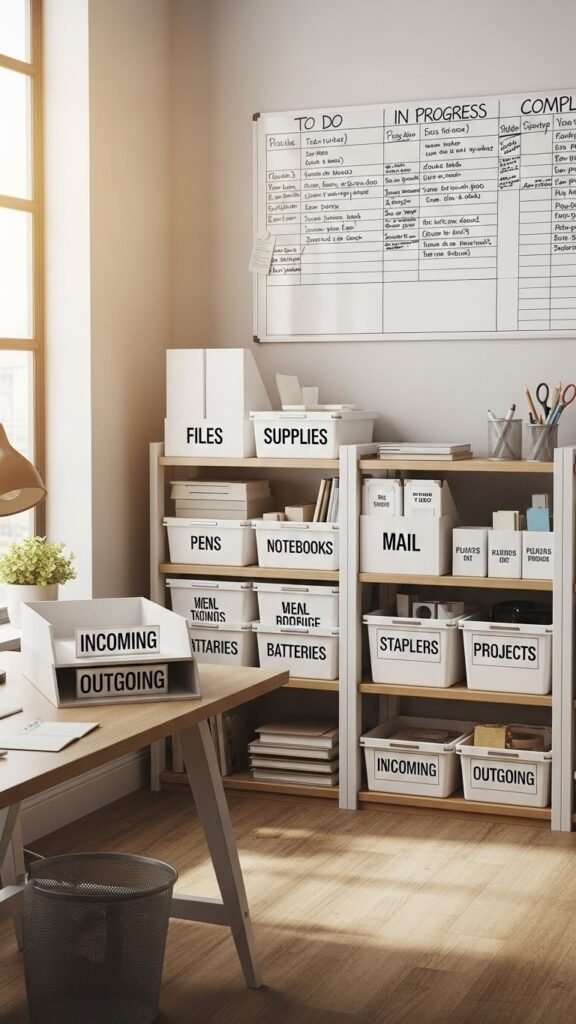
Regularly labeling storage spots keeps things easy to find and prevents clutter from creeping back in.
Use clear labels, color coding for categories, and durable tags that survive handling.
You’ll feel calmer when every item has a home.
Keep labels simple, update them as needs change, and make labeling a quick habit so your space stays organized and your time stays free.
Limit Storage to Prevent Overflow

If you limit how much you store, you’ll stop overflow before it starts: choose a few bins or a single shelf per category and stick to that boundary.
Respect capacity caps and simple usage limits so you don’t accumulate excess.
You’ll feel lighter when every item has a clear place.
Review periodically, release what doesn’t belong, and protect your newly gained freedom.
Commit to a One-In, One-Out Rule

Sort Papers Immediately

Paper piles don’t sort themselves, so tackle incoming mail and documents as soon as they hit your surface: recycle junk, file important papers, and set aside anything that needs action.
You’ll do a quick paper triage: keep, act, shred. Commit to immediate shredding for sensitive scraps, label folders clearly, and schedule a weekly five-minute sweep so clutter doesn’t steal your calm.
Digitize Documents and Photos
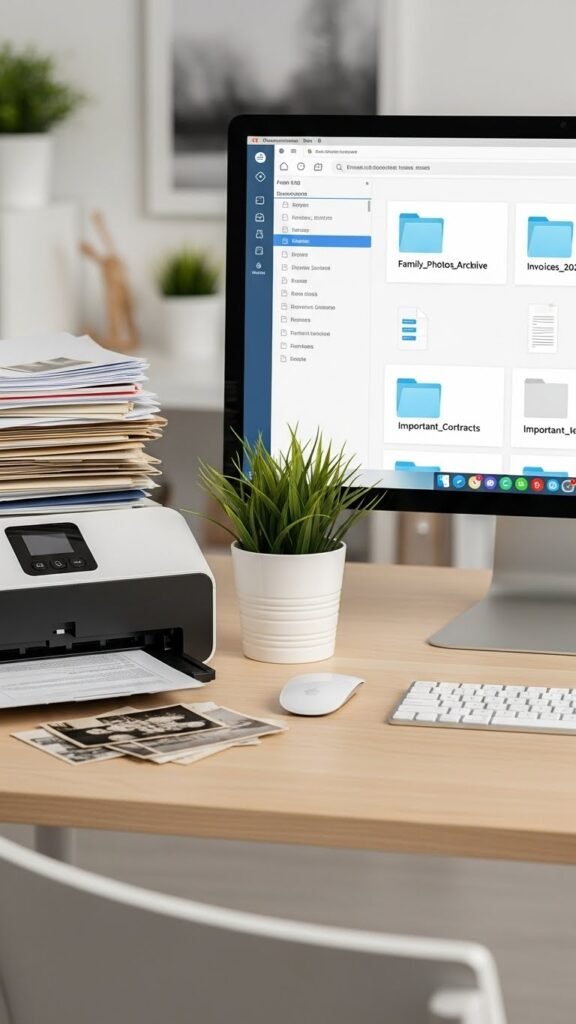
Scanning documents and photos saves space and makes finding things effortless, so start by deciding what you’ll keep digitally and what must remain physical.
Scan with good resolution, use cloud backups for safety, and organize files immediately. Apply clear filenames and metadata tagging so you can search fast.
Let this system free your space and reduce mental clutter, one folder at a time.
Make Decision-Making Faster With Timers

When you’re stuck deciding whether to keep, toss, or file an item, set a timer for a short, fixed period—say 60–90 seconds—and make a choice before it rings.
Use decision sprints to move quickly, trusting your instinct. Beat the clock to avoid overthinking, protect momentum, and reclaim time and space. Small timed wins build freedom and steady progress.
Reduce Visual Clutter on Surfaces

Clear off flat surfaces so your eye can rest and your brain can focus — start by giving yourself one clear zone (a desk corner, a nightstand) and keep only the essentials there. You’ll create minimal surfaces that cut noise and free mental space. Choose a couple of calming displays — a plant, a photo — and commit to returning items to homes daily for lasting freedom.
Delegate Tasks to Household Members
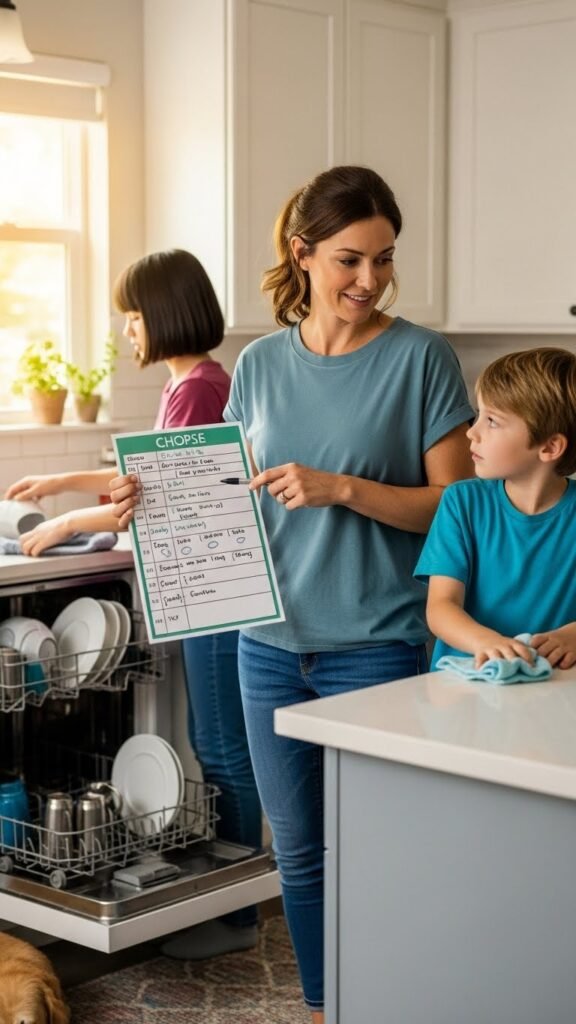
Sorting by category makes it obvious what needs doing, and you don’t have to handle it all alone. Invite household members to claim tasks, set clear expectations, and rotate duties so no one feels stuck. Use an accountability chart for visibility and simple chore incentives to motivate consistency. You’ll free physical space and mental energy while building shared responsibility and more relaxed routines
Repurpose Items Before Discarding
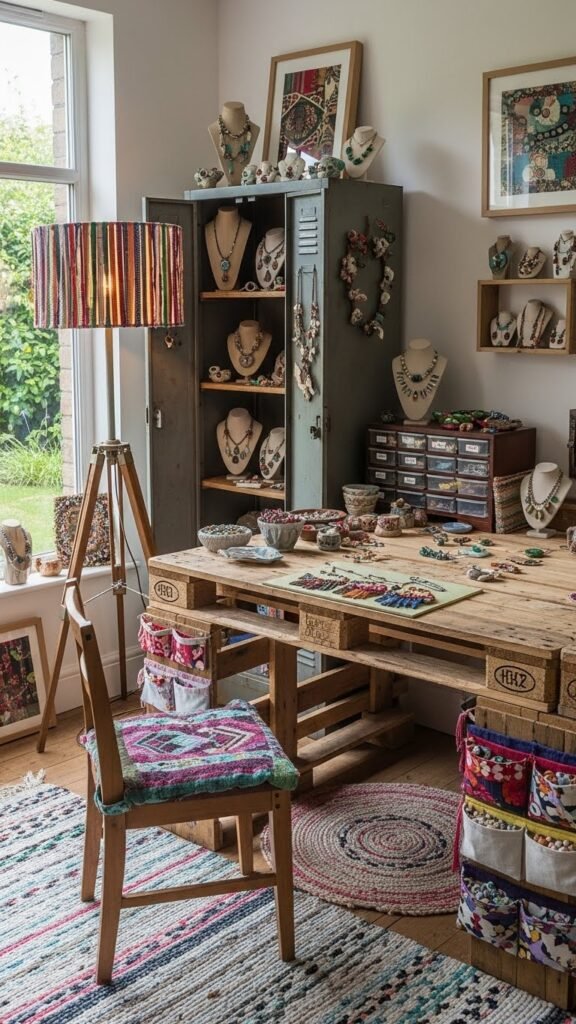
Give items a second life before you toss them — you’ll save money, cut waste, and keep sentimental things in use. Look for simple projects: upcycling furniture with a fresh coat or new hardware, turning fabric scraps into storage pouches, or crafting jewelry from broken bits.
You’ll reclaim space and creativity, choosing freedom over clutter while honoring items that still serve you.
Store Seasonal Items Offsite
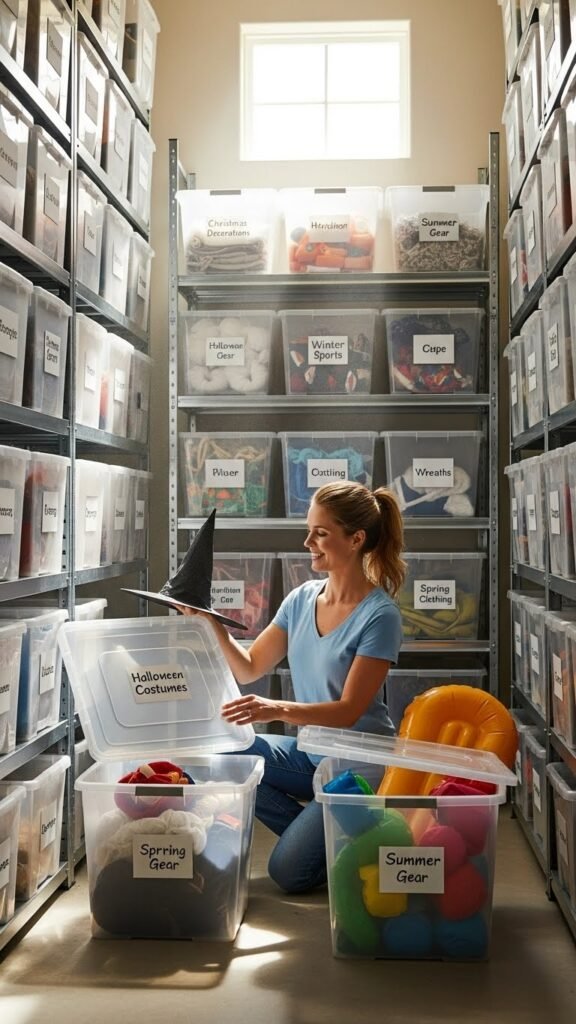
If you don’t have room at home, consider renting a small, climate‑controlled storage unit or using a seasonal storage service to keep bulky items out of the way until you need them.
Use offsite storage for holiday décor, sports gear, and clothing, and plan a simple seasonal rotation. Label bins, keep an inventory, and reclaim living space so you feel lighter and more free.
Create a Daily 10-Minute Tidying Routine

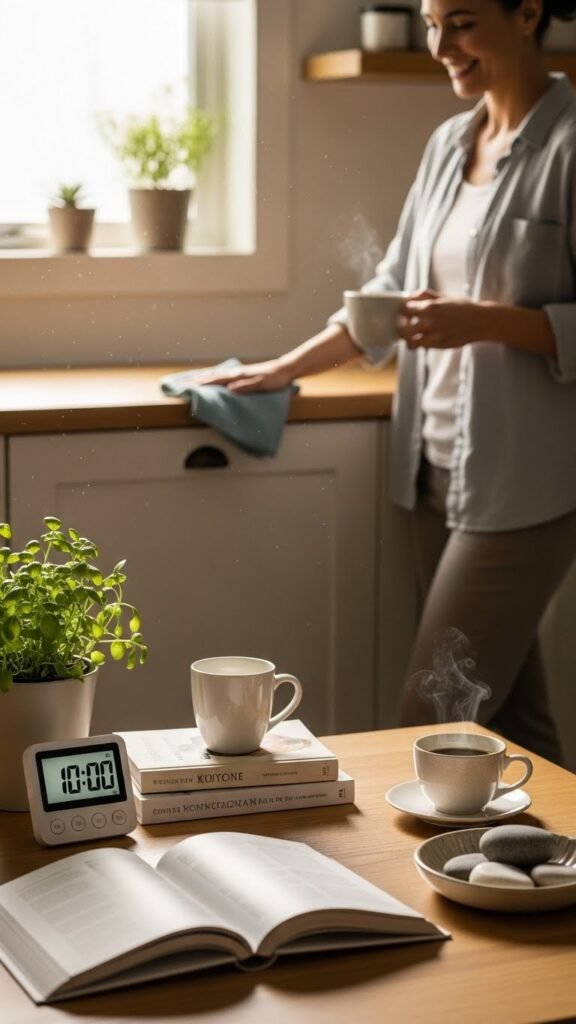
Usually, you can keep clutter from piling up by committing just ten minutes each day to a quick tidy—set a timer, focus on high-traffic spots, and move items back to their homes.
Use micro breaks to reset between tasks and turn tidying into habit stacking with morning coffee or evening wind-down.
You’ll feel freer, calmer, and more in control with minimal effort.
Address Sentimental Items With Care
Because sentimental items carry memories as well as clutter, approach them with gentleness and clear rules so you don’t get stuck in indecision. You’ll use emotional sorting: set limits, decide by usefulness or meaning, and pause when feelings overwhelm.
Create small memory rituals — photograph, journal, or display one item — then let go. These practices free space while honoring what matters to you.
Use Clear Containers for Easy Visibility
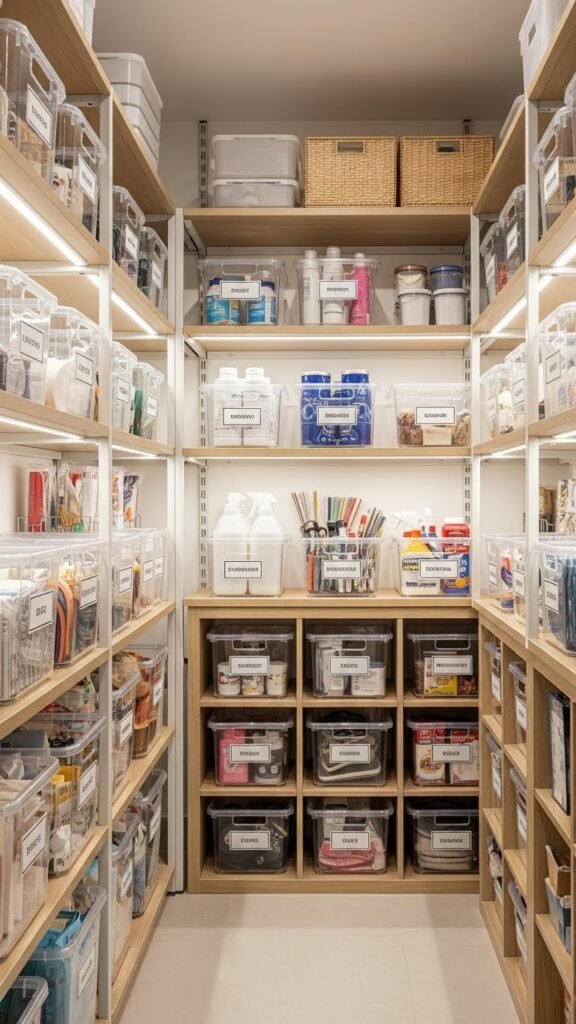
Once you’ve given sentimental items careful attention, make the rest of your belongings just as simple to manage by using clear containers for storage. Use stackable bins and transparent baskets so you can spot what you need without opening every box.
Label lids for quick grabs, group like items together, and keep pathways clear. You’ll feel lighter, move faster, and enjoy a freer space.
Create Functional Zones in Each Room
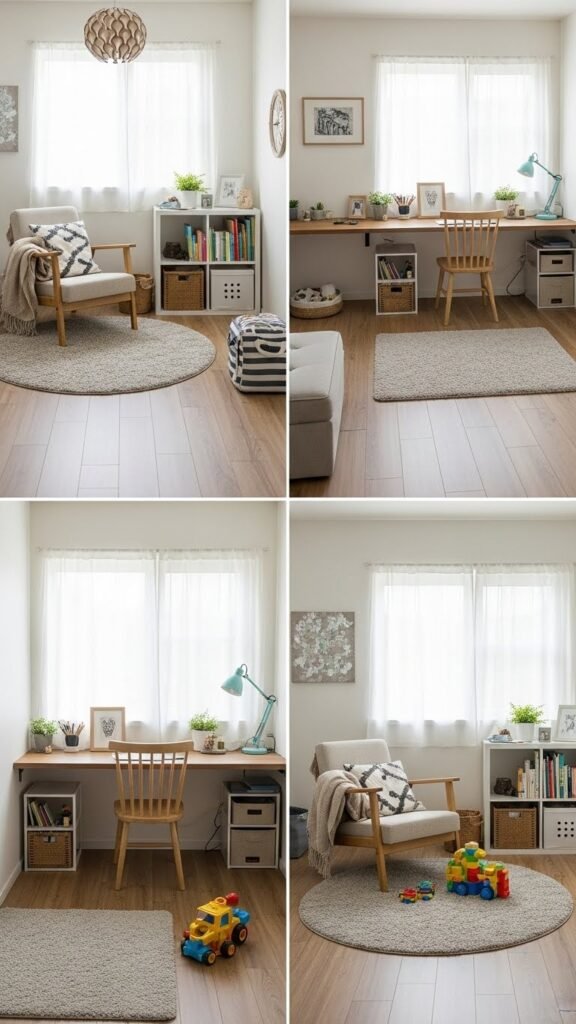
When you arrange each room into clear functional zones—like a reading nook, work surface, and play area—you make everyday tasks easier and reduce decision fatigue.
Use simple space mapping to identify where activities naturally happen, then create activity hubs with storage and seating that support them. You’ll move faster, feel calmer, and enjoy a freer, more intentional home that works for your life.
Track Progress to Stay Motivated
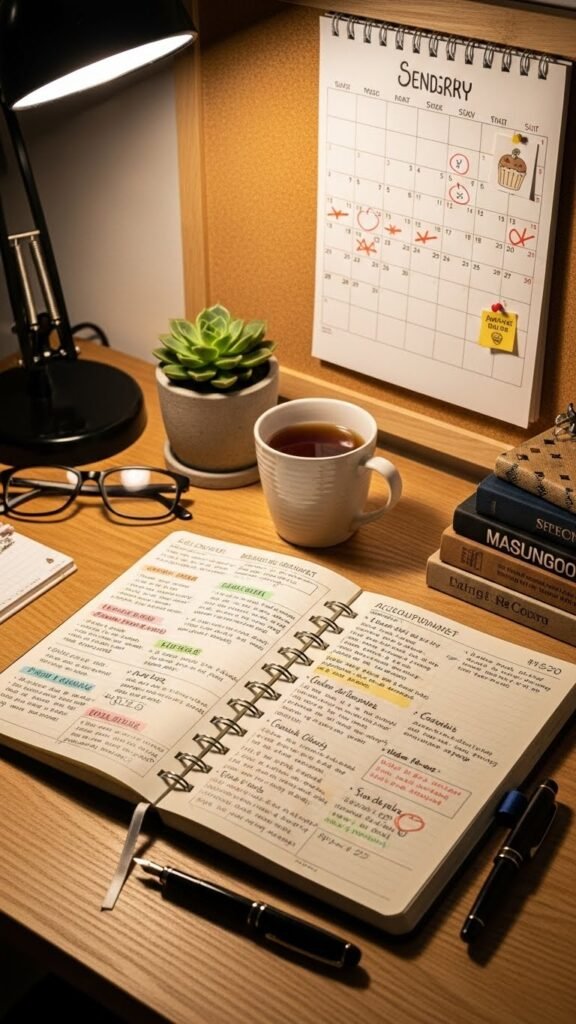
Creating clear zones is a big step, but keeping that momentum matters just as much — tracking progress helps you see wins and stay motivated. Keep a progress journal with short daily entries: what you cleared, how it felt, next steps.
Set clear milestones and give yourself small milestone rewards. That steady feedback loop keeps you focused, reduces overwhelm, and protects your newfound freedom.