
You’ll start by emptying a drawer and sorting everything into keep, donate, and trash so you know what you’re really dealing with. Assign each drawer a clear purpose, add adjustable dividers or clear trays, and put daily items up front and seasonal things in removable bins. Add non‑slip liners, label compartments, and schedule short maintenance sessions to keep chaos from creeping back—then try one simple hack that makes the biggest difference.
Start With a Full Drawer Clearout
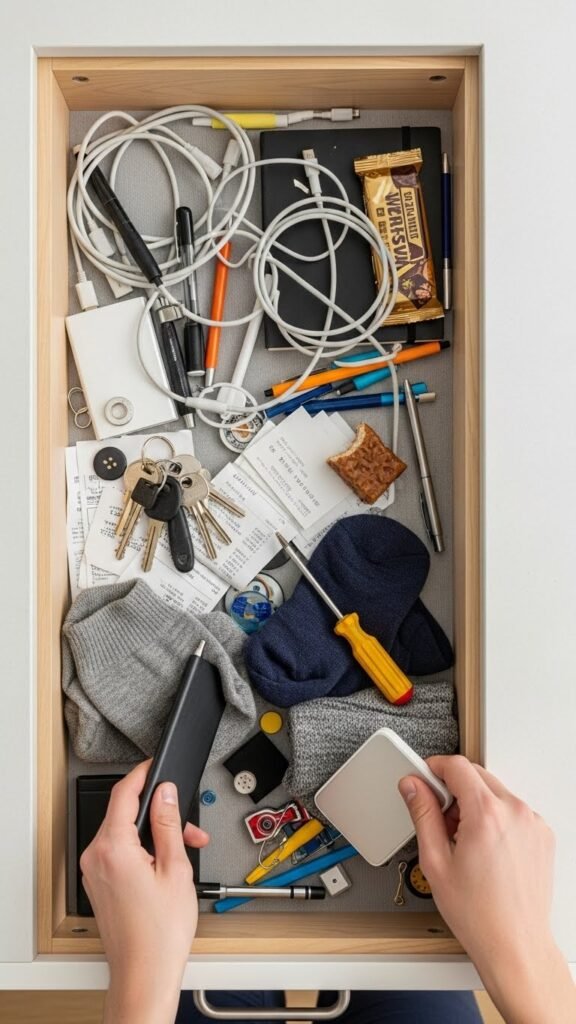
Before you jump into organizers or labels, completely empty the drawer so you can see exactly what you have. You’ll do a quick drawer detox: set essentials aside, discard or donate what you don’t use.
Conduct a brief clutter audit to note categories and problem items. This clears decision fatigue, gives you freedom to choose only useful things, and simplifies the next steps.
Categorize Everything Before You Replace It

Paragraphs
Assign a Purpose to Every Drawer
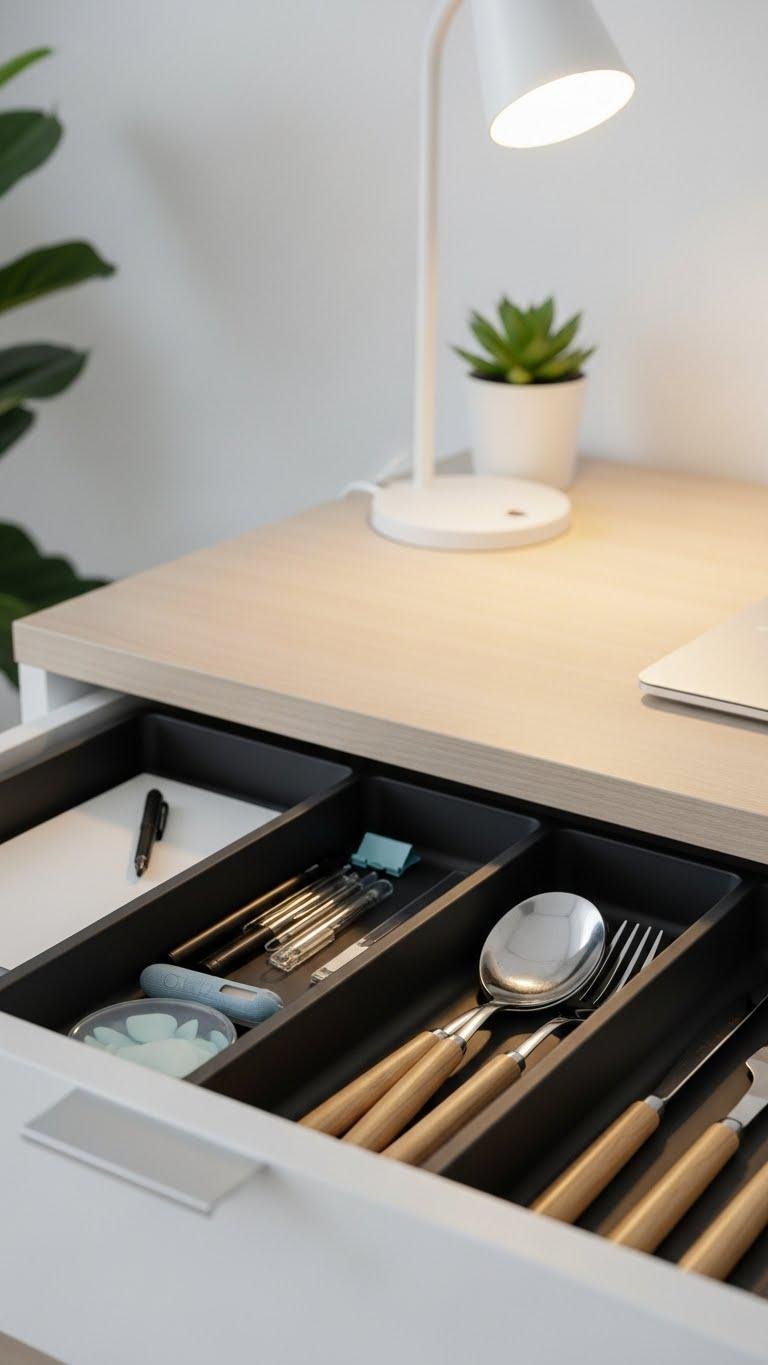
Now that you’ve sorted items into clear categories, give each drawer a specific job so you know exactly what belongs where. Decide core zones, create function labels, and draft a simple purpose mapping for daily, occasional, and seasonal needs.
You’ll free time and reduce decision fatigue by sticking to roles; adjust labels as life changes to keep the system honest and liberating.
Use Adjustable Drawer Dividers
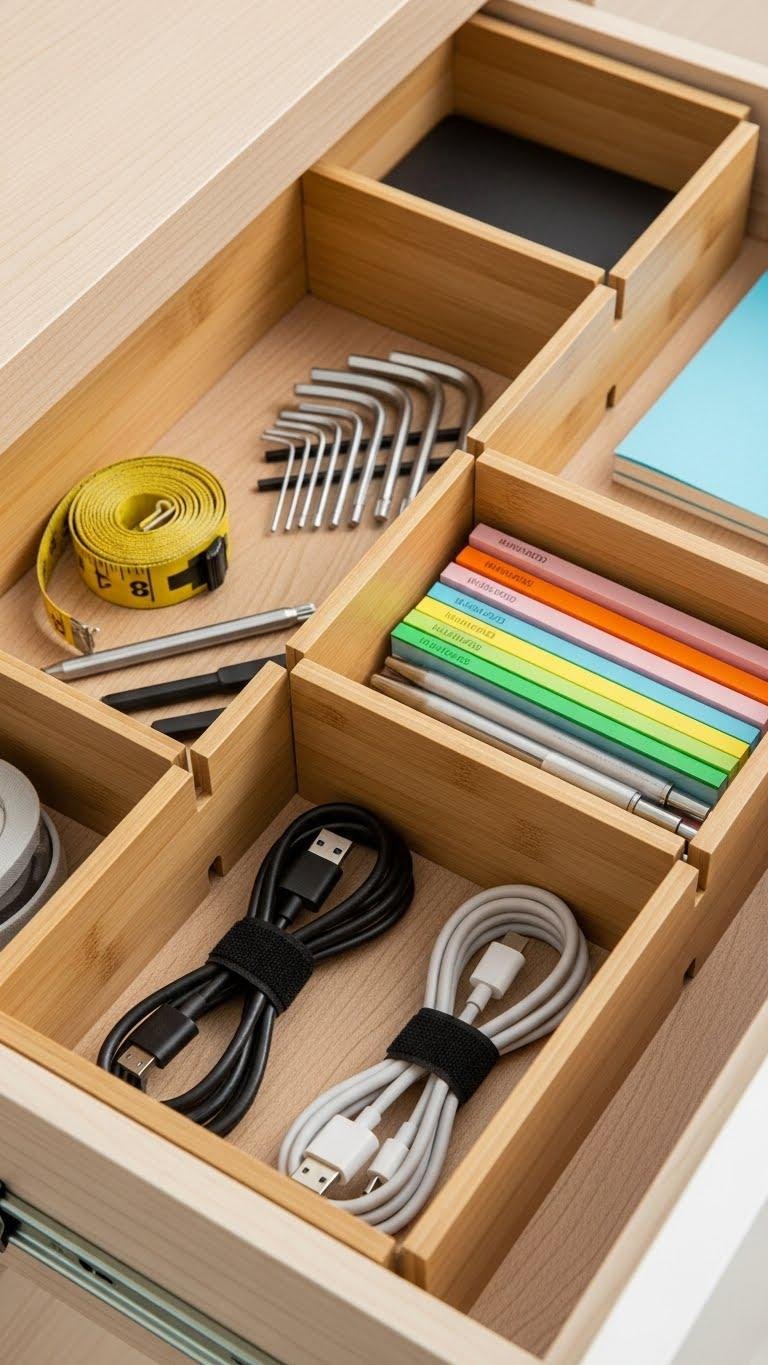
Bring order to overflowing drawers by installing adjustable dividers that let you tailor compartments to the stuff you actually keep.
You’ll choose dividers that respect adjustable aesthetics while using modular measurements to create flexible zones. Slide pieces to fit tools, papers, or accessories.
You’ll gain freedom to reconfigure as needs change, maintain tidy visuals, and quickly find items without rigid, permanent fixtures.
Add Non‑Slip Pads to Organizers

Once your dividers are set, add non‑slip pads to keep items from shifting when you open and close drawers. Cut rubber mats or grip liners to fit organizer bases, then press firmly.
You’ll secure utensils, tools, or accessories without adhesives, letting you rearrange freely. Test drawer movement and trim excess for a snug, silent glide that preserves order and gives you practical control.
Fit Clear Trays for Small Toiletries and Makeup

Slide clear trays into your drawer to corral small toiletries and makeup so you can see everything at a glance. Arrange travel sizes upright, group lipsticks and brushes by use, and label compartments for quick access. Use magnetic strips to secure metal tools and prevent shifting.
You’ll reclaim time and space, move freely through routines, and keep essentials visible and ready.
Install Bamboo or Wood Trays for a Polished Look
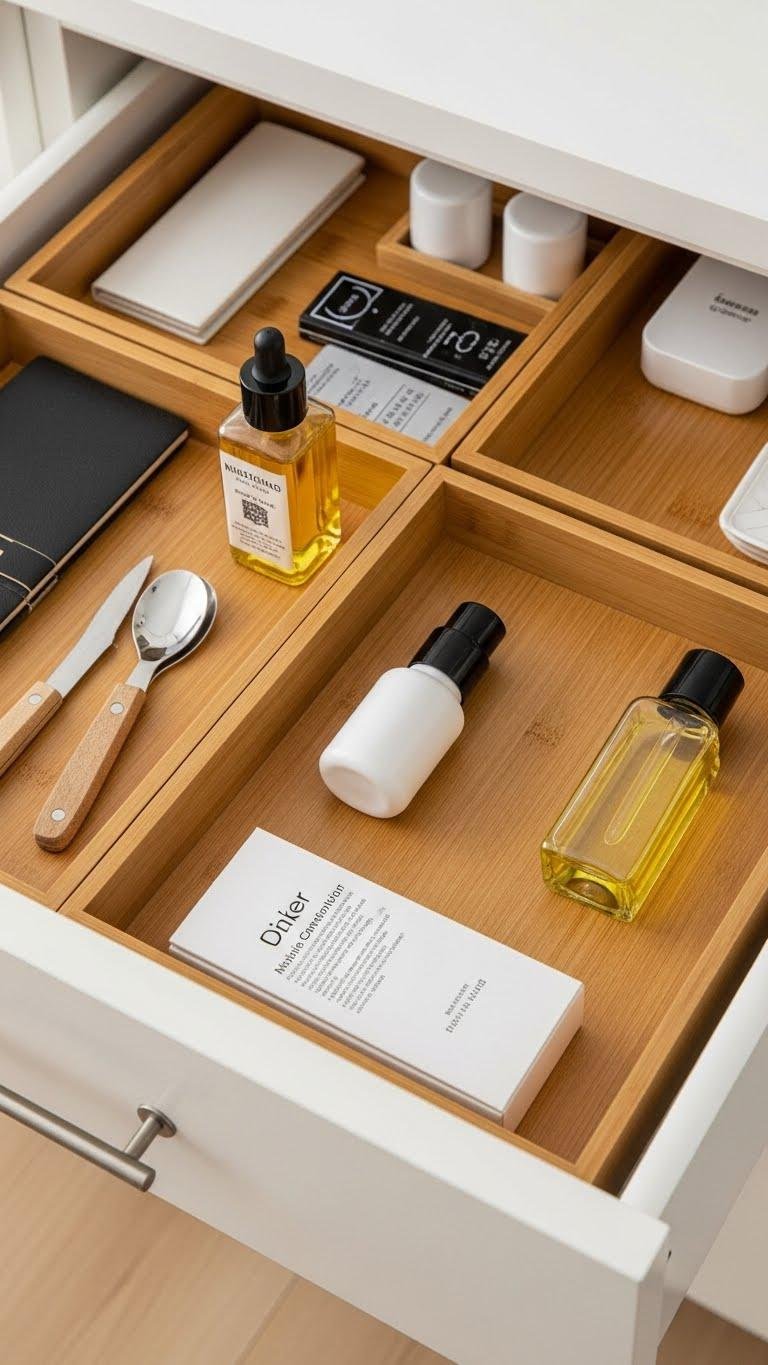
A bamboo tray gives your drawer an instant upgrade, turning clutter into a calm, cohesive layout you can maintain easily.
Choose trays sized to fit compartments, then arrange items by frequency of use for freedom to grab and go. Bamboo aesthetics add warmth while resisting warping.
Follow simple maintenance tips: wipe spills, oil annually, and rotate contents to keep order and longevity.
Put Collapsible Fabric Bins in Deep Drawers
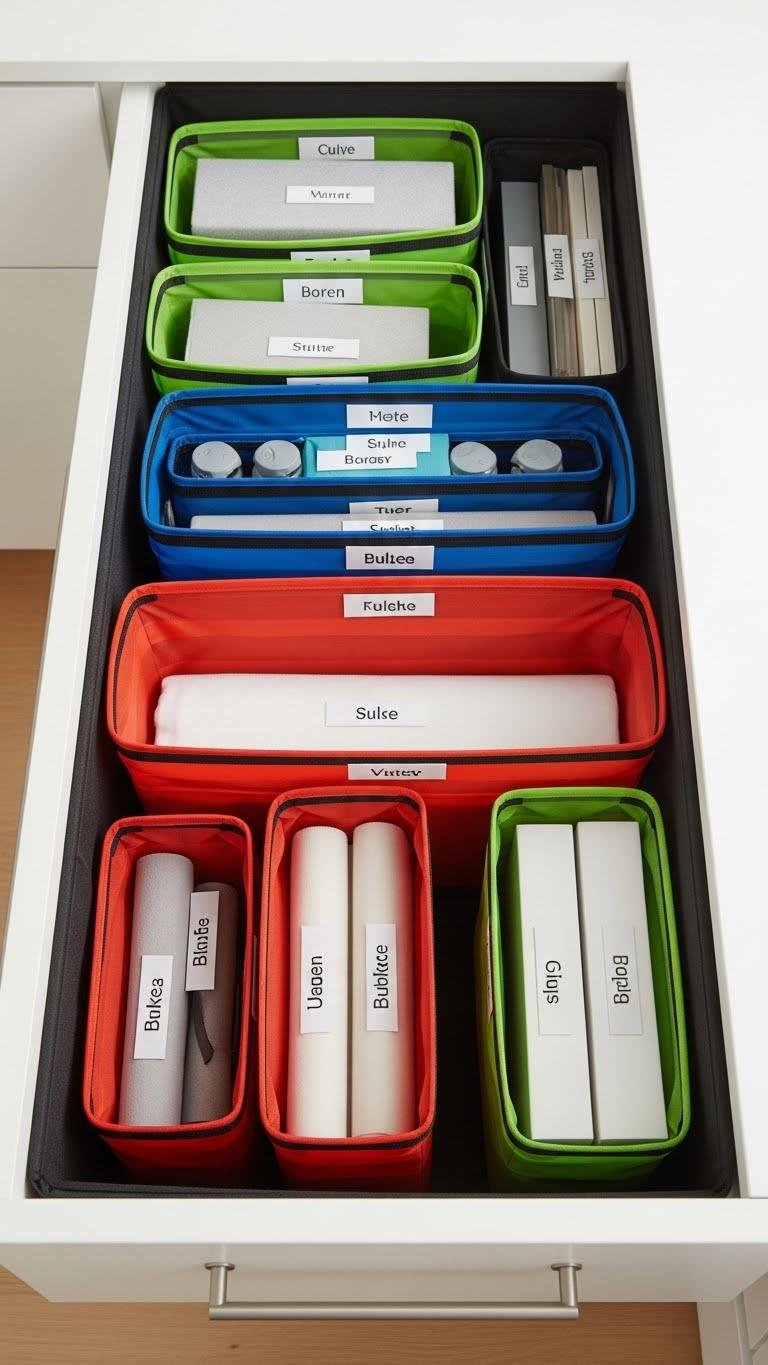
Pop collapsible fabric bins into deep drawers to instantly create zones that keep bulky items tidy and easy to reach.
You’ll measure drawer depth, choose bins that match fabric liners for a cohesive look, and place heavier items at the back.
Label fronts for quick grabs, collapse bins when not needed, and keep pathways clear so you’ll feel liberated by orderly storage.
Roll Clothing to Save Space and Improve Visibility
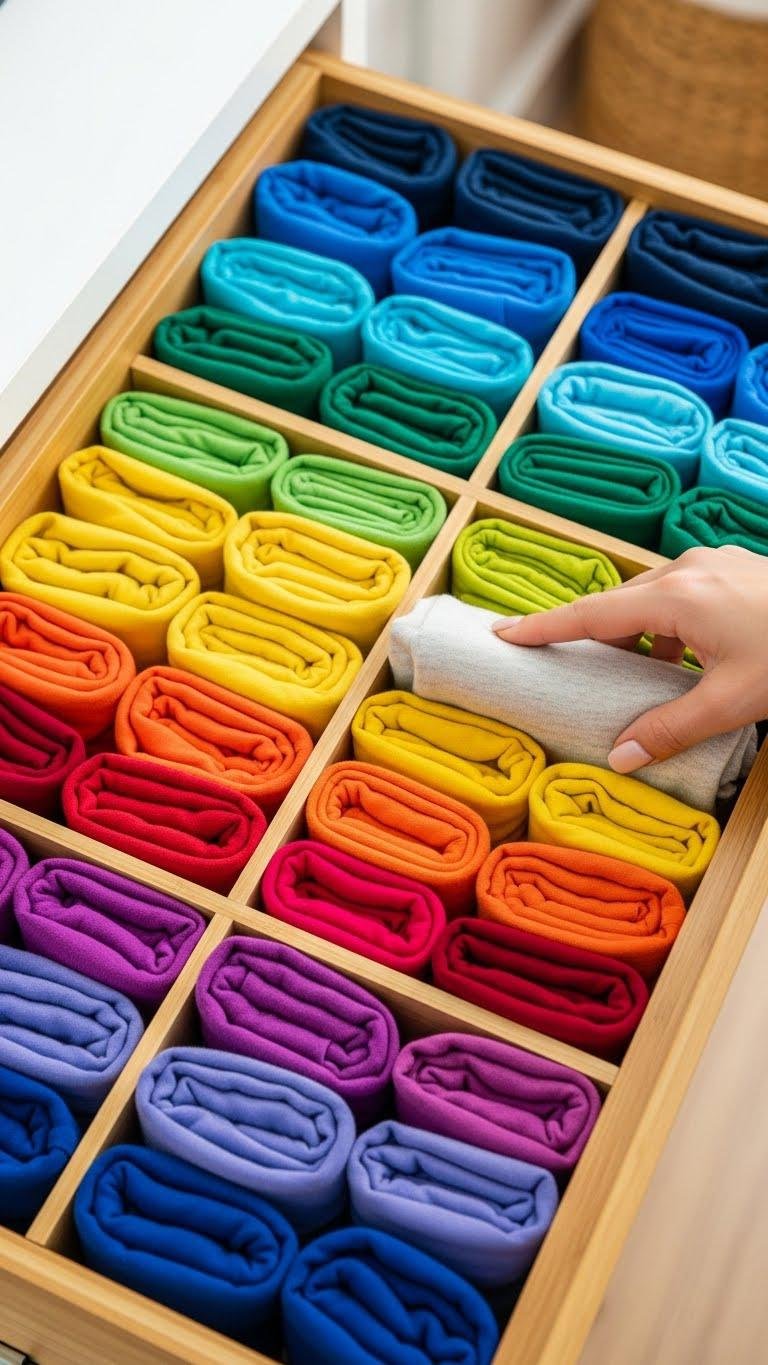
Rolling your clothes lets you fit more into drawers and see every item at a glance, so start by smoothing each piece, then tightly roll from one end and place rolls upright or in neat rows for quick visibility and easy retrieval.
You’ll rely on space saving rolls and visibility enhancing folds to maximize capacity, stay organized, and grab outfits fast for a freer routine.
Create a Dedicated Electronics Drawer

Set up a dedicated electronics drawer so you always know where chargers, cables, batteries, and small accessories live; designate zones for power cords, earbuds, and frequently used devices, and keep rarely used items in labeled containers.
You’ll use simple cord management, modular trays, and clear labels. Establish battery rotation, stash a charging station, and reclaim time and freedom with smart, tidy access.
Build a Snack and Lunch Prep Station Drawer
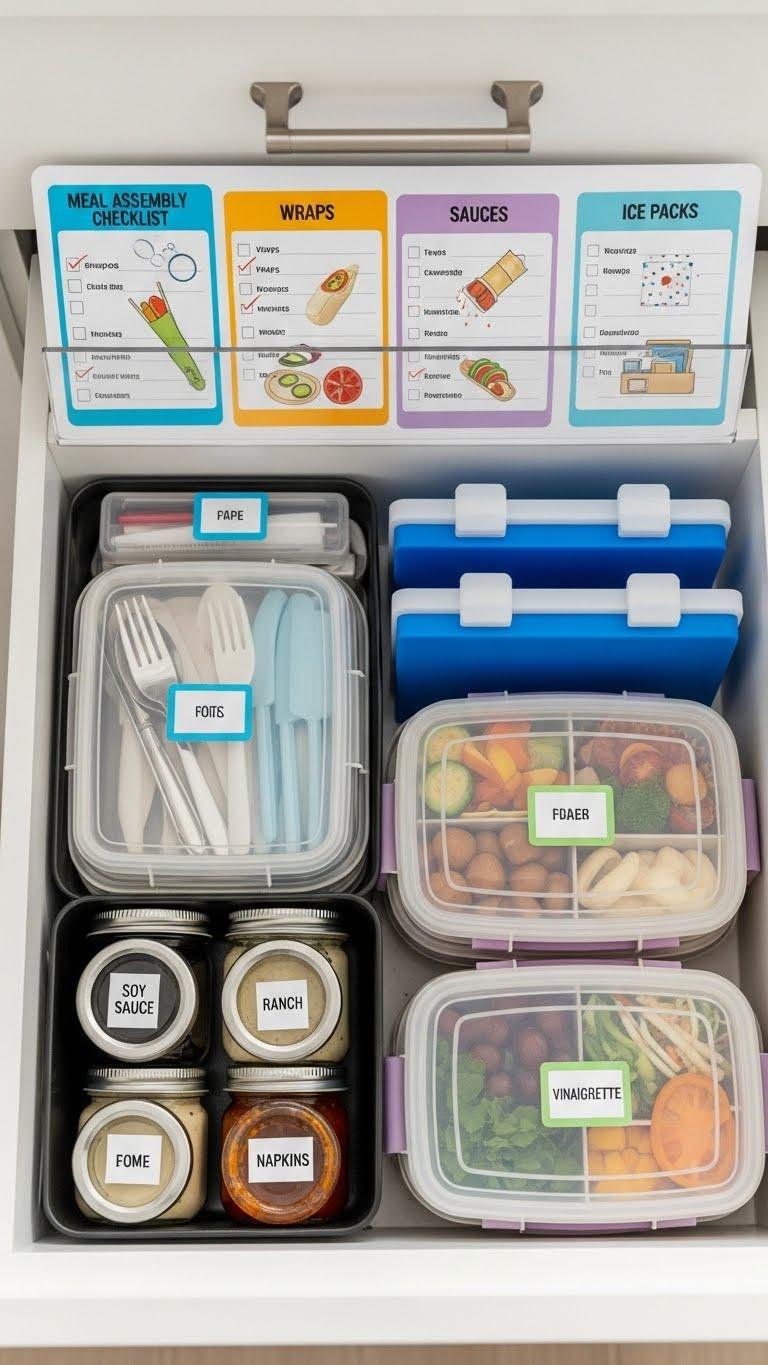
Create a snack-and-lunch prep station drawer that lets you assemble meals in seconds: group bento boxes, reusable bags, utensils, napkins, and portioned snacks into labeled compartments so everything’s visible and within reach.
You’ll keep healthy snacks sorted, plan bento assembly with checklist cards, and stash wraps, sauces, and ice packs. Grab, pack, and go—simple, freeing, and efficient.
Install Plate or Stemware Racks Inside Cabinets
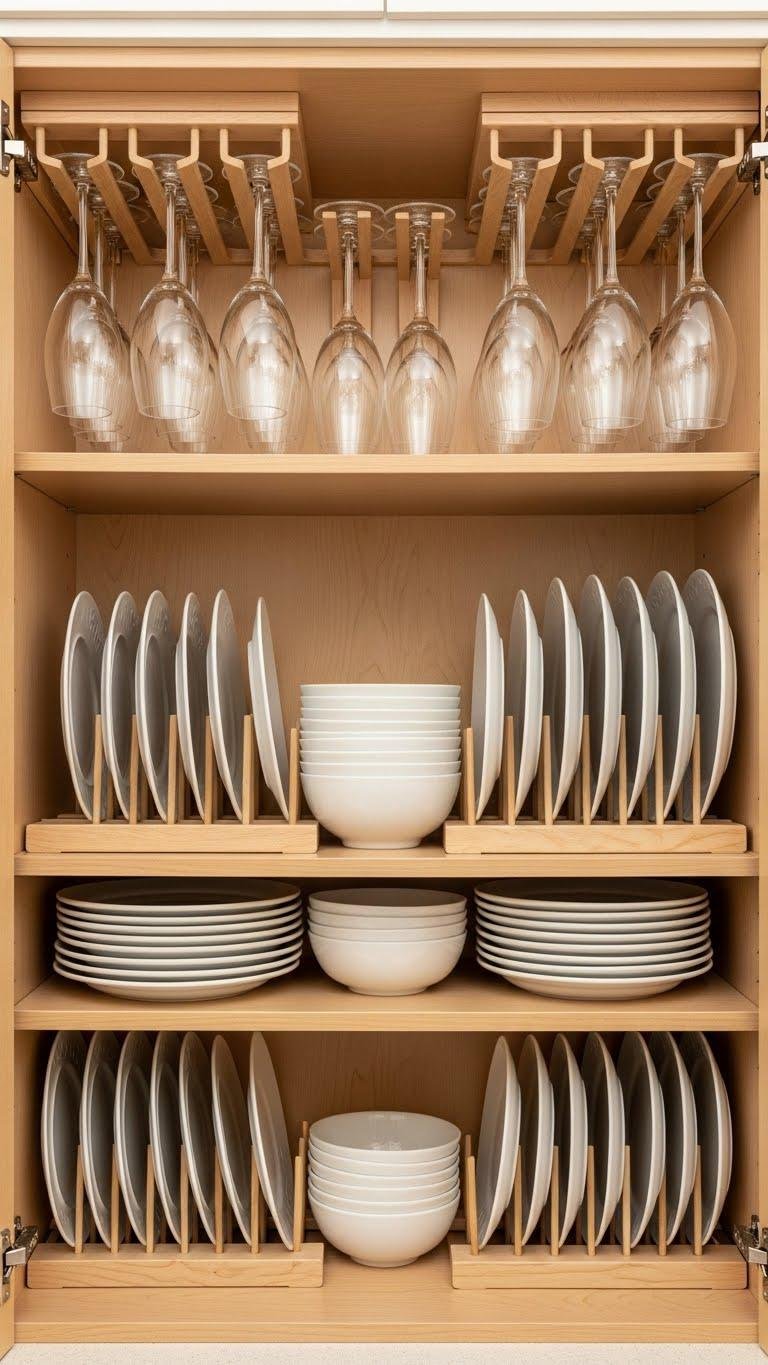
Tuck plate or stemware racks into your cabinets to free up shelf space and protect fragile pieces while keeping them easy to grab. Mount plate racks on lower shelves for plates and add wine stemware holders above for glasses.
Secure rails to avoid shifting, measure for clearance, and keep frequently used items within reach. You’ll reclaim space and simplify serving routines.
Add an Extra Shallow Drawer for Condiments in the Fridge

If you’ve freed up cabinet space with plate and stemware racks, apply the same space-minded logic to your fridge by installing a shallow extra drawer for condiments.
You’ll measure available shelf height, choose a DIY condiment drawer or a magnetic spice drawer strip, mount it securely, and group bottles upright.
This keeps labels visible, maximizes cool airflow, and gives you quick, liberated access.
Remove Bulky Packaging Before Storing
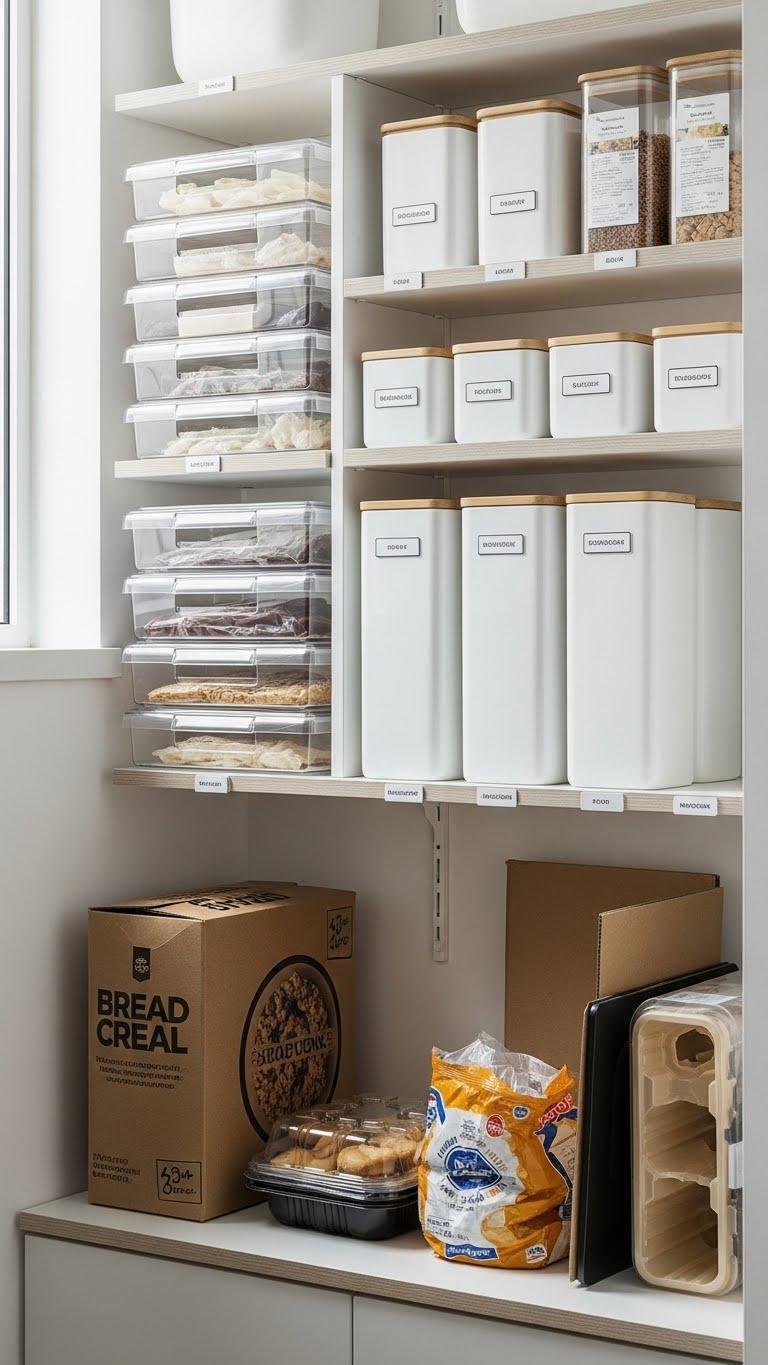
Take bulky boxes and plastic clamshells off products as soon as you get them home so you’ll save space and make items easier to see and grab. You’ll sort items, discard excess packaging, and transfer goods into vacuum sealed bags or simple containers.
Minimalist repacking preserves functionality, reduces clutter, and gives you freedom to arrange drawers logically for quick access.
Use Stackable or Multi‑Level Trays
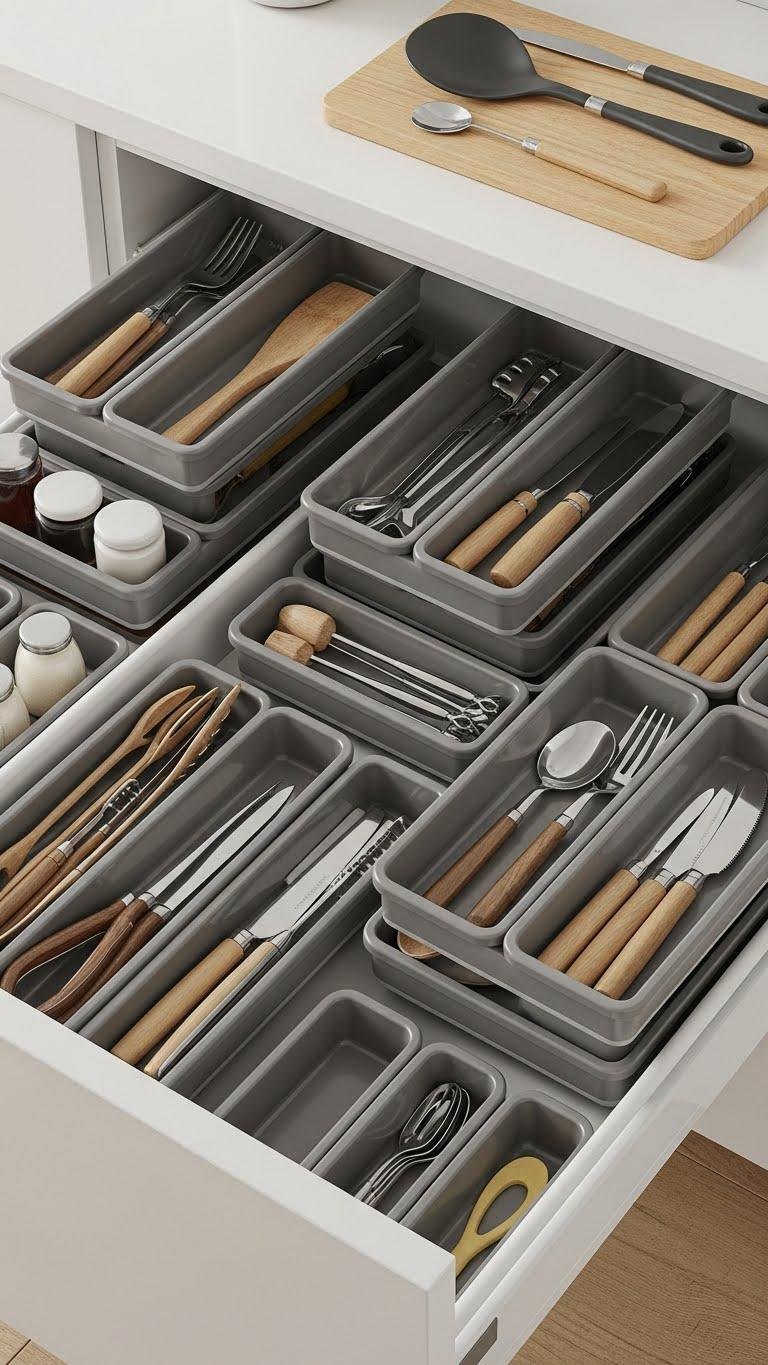
Why not add vertical layers to your drawers with stackable or multi-level trays to double or triple usable space? You’ll gain order without sacrificing freedom: install tiered inserts that lift items into view, use modular layers to customize height, and combine trays for varied depths.
You’ll access utensils, tools, or supplies faster, keep surfaces clear, and adapt layout as needs change.
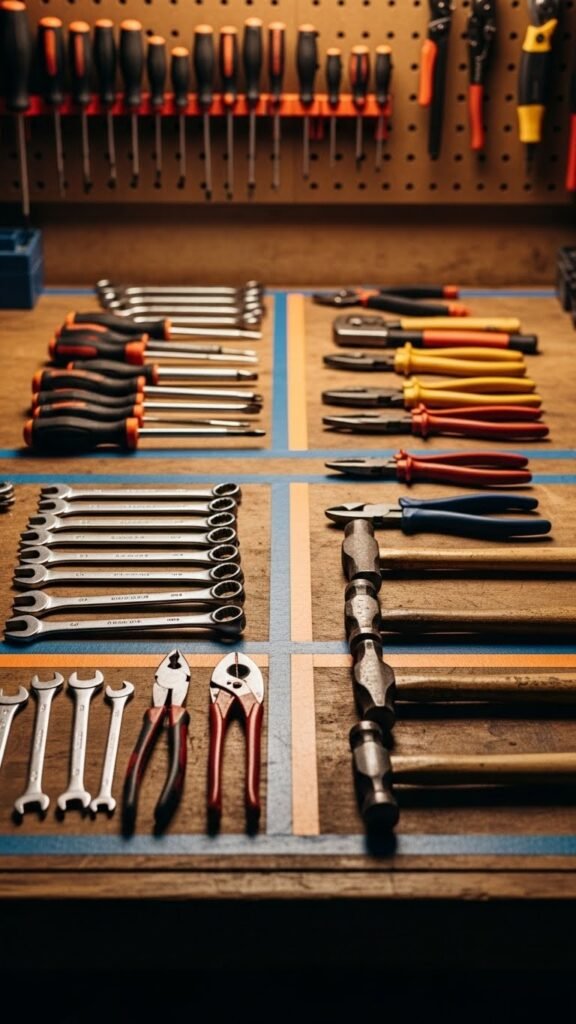
Group Similar Tools and Label Sections
Paragraphs
Keep a Junk Drawer, but Curate It Regularly
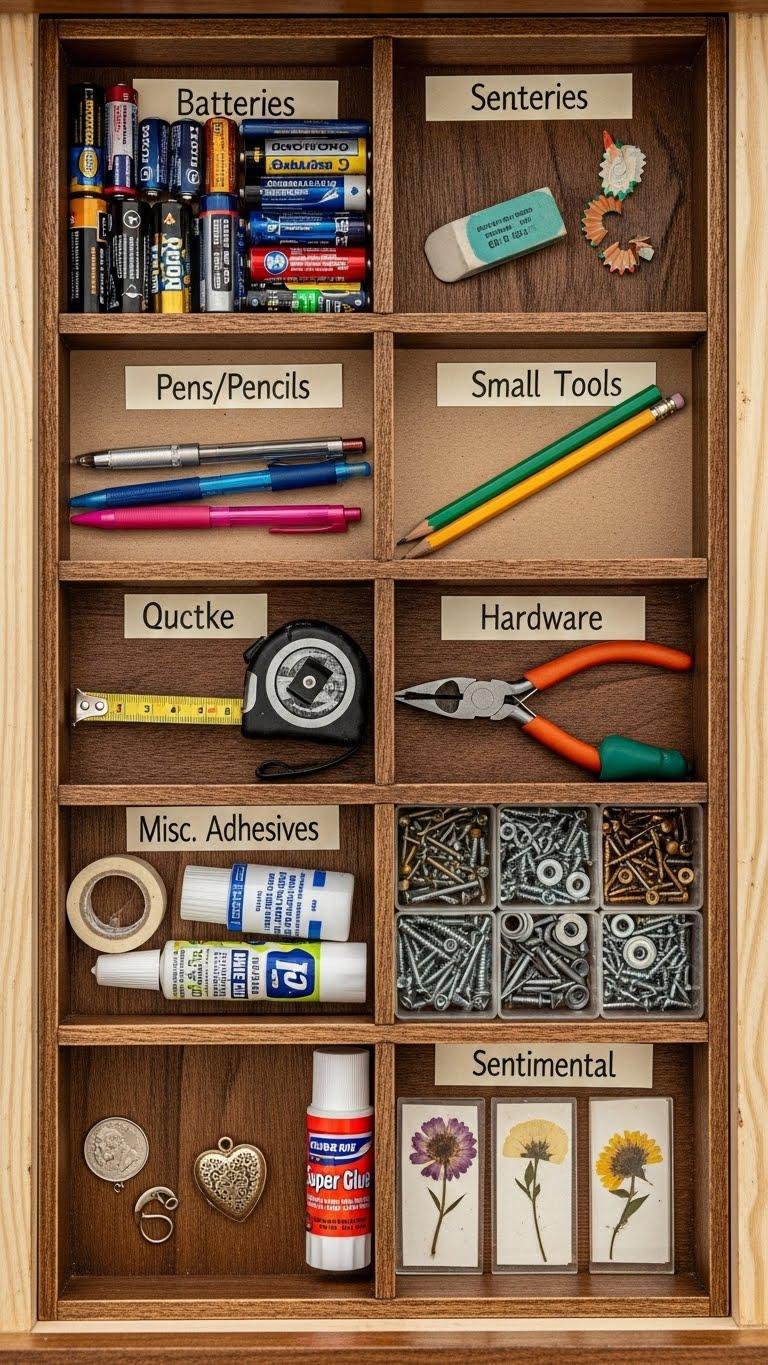
Often you’ll want a single drawer for odds and ends, but keep it curated so it doesn’t become a black hole.
You’ll designate compartments, toss trash, and label zones.
Commit to monthly curation: remove duplicates, relocate tools, and do quick sentimental sorting so keepsakes don’t overwhelm function.
This system frees space and mind, letting you grab necessities without digging.
Store Seasonal Items in Removable Bins
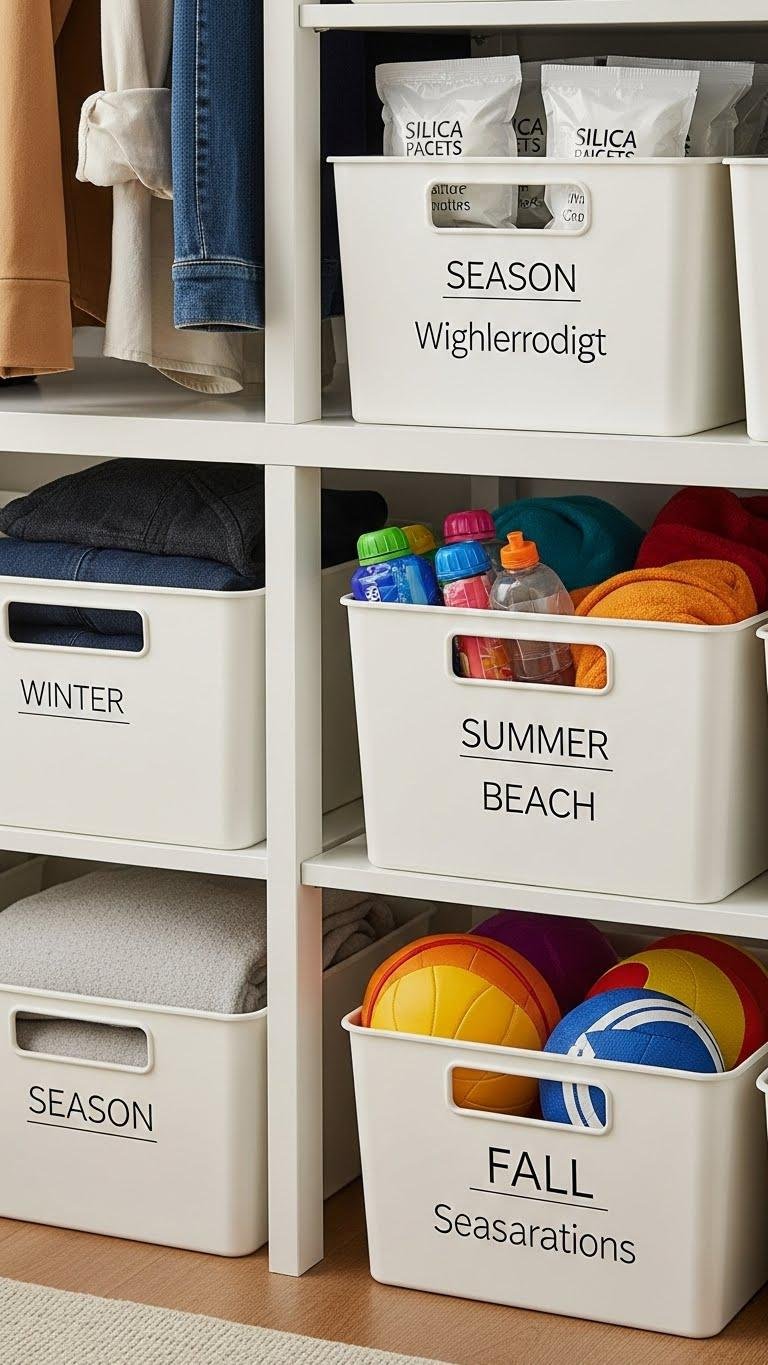
If you rotate gear by season, use removable bins so you can swap items in and out quickly and keep drawers uncluttered. Label bins by season and contents, and place frequently used items near the front.
Pick breathable containers or add silica packets for moisture control. Stackable, lightweight bins let you reclaim space and freedom—grab what you need, stow the rest, and maintain tidy, efficient seasonal rotation.
Use Ziploc and Foil Organizers for Kitchen Wraps
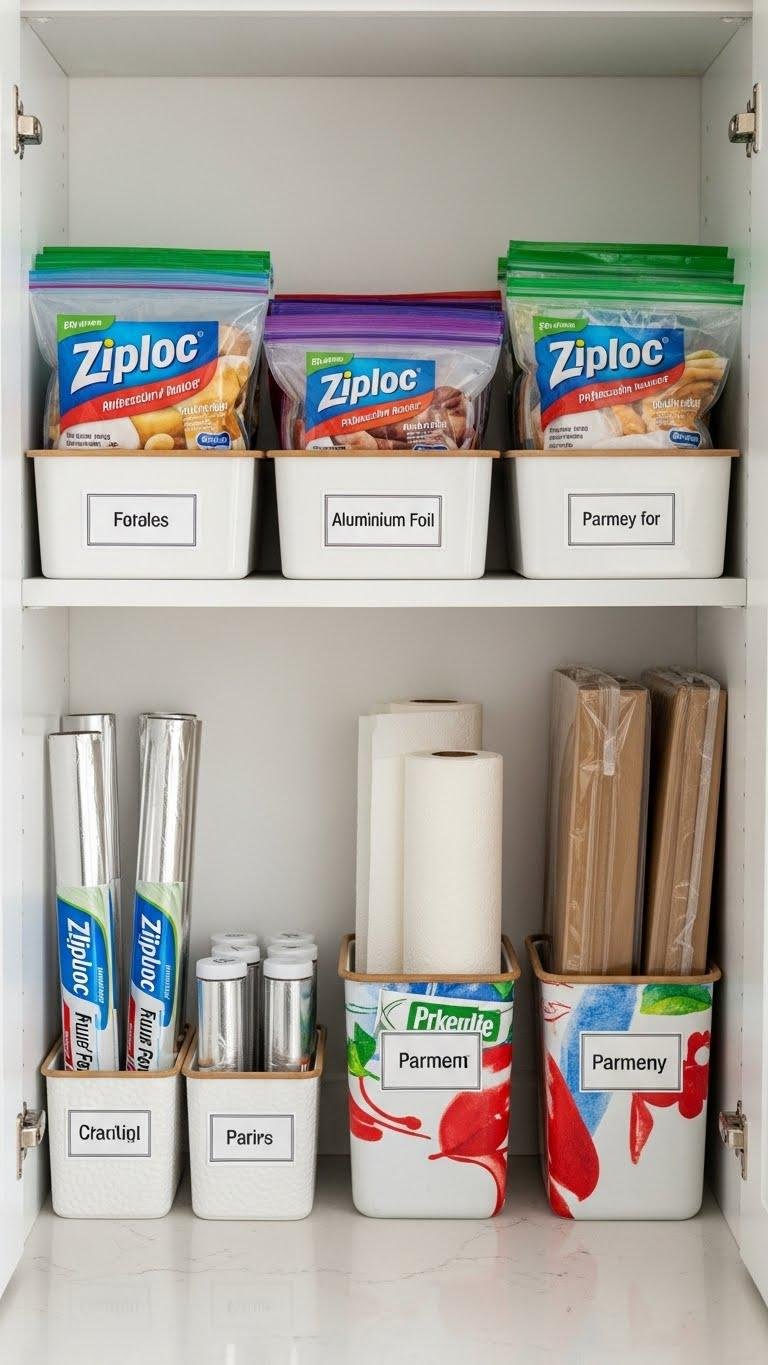
Moving from boxed seasonal gear to everyday kitchen supplies, you can apply the same principle of removable, labeled storage to your wraps and bags.
Divide Ziploc bags, foil rolls, and parchment into slim trays or repurposed reusable containers.
Create a simple labeling system for size and use, so you grab what you need fast, stay flexible, and reclaim countertop freedom.
Schedule Regular Mini Decluttering Sessions

Regularly set aside five to ten minutes each day or one focused 20–30 minute block a few times a week to tackle small clutter hotspots so they don’t become overwhelming.
You’ll build habit maintenance by scheduling timed sessions, targeting one drawer or surface, deciding keep, donate, or trash, and returning items to places.
Consistency frees mental space and prevents big cleanups.