
You can make your home greener with practical DIY projects that cut energy, water, and waste while improving comfort and health. Start with simple steps — upgrade appliances, seal drafts, add insulation, or swap to low‑VOC finishes — then move to rainwater catchment, composting, and solar options as you gain confidence. These projects save money and boost resilience, and a few strategic choices will change how your home performs — here’s how to begin.
Upgrade to Energy-Efficient Appliances

Start by taking inventory of your home’s major energy users—fridge, washer, dryer, oven, and HVAC—and note their ages and energy labels.
You’ll prioritize replacements that free you from high bills. Compare ratings, calculate payback, and hunt rebate programs. Choose efficient models, plan DIY removal and recycling, and schedule installations so you gain comfort, lower costs, and more independence.
Seal and Caulk Windows and Doors

Improving insulation shrinks drafts, but air still sneaks through gaps around windows and doors, so sealing those openings is the next step to lock in savings and comfort.
You’ll learn weatherstripping basics, choose sustainable materials, and apply DIY caulking to frames and trim.
Work methodically, test for leaks, and enjoy greater control over your home’s energy use and independence.
Replace Windows With Energy-Efficient Models
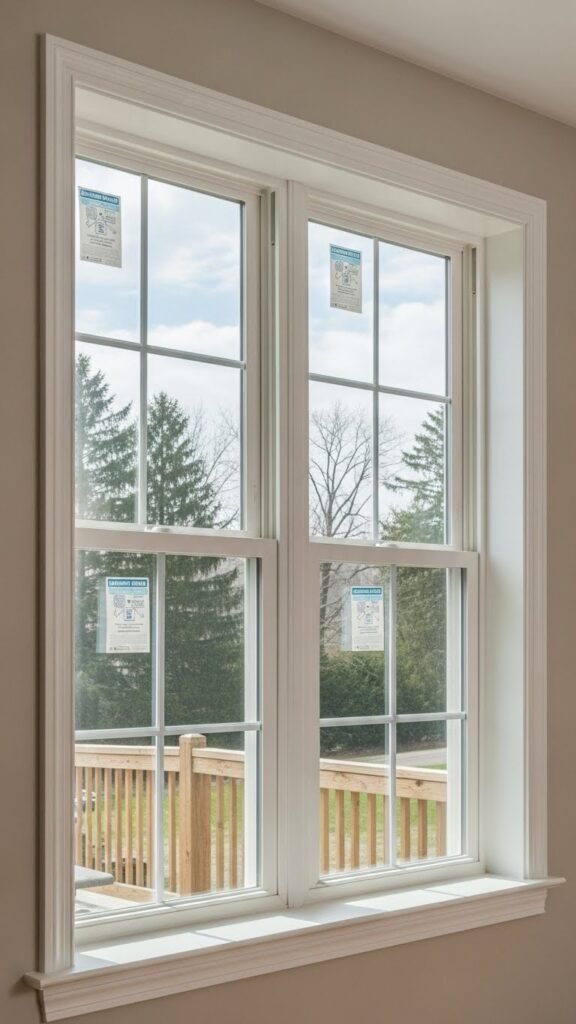
Swap out old windows for ENERGY STAR-rated, low-E, double- or triple-pane models to cut heat loss, reduce drafts, and lower your heating and cooling bills. Choose units mindful of window orientation to maximize passive solar gain or shading. Install proper flashing and weatherstripping, and select advanced glass coatings to block UV while preserving views. You’ll gain comfort, savings, and independence.
Install Solar Panels or Solar Accessories

After upgrading your windows to keep heat where it belongs, you can further cut energy use and bills by adding solar panels or solar accessories to your home. Start by evaluating roof angle and shade, choose sturdy panel mounting, and plan wiring. Add a solar battery to store excess power for independence.
Follow local codes, use quality racks, and consult pros for safe, lasting installation.
Create a Rainwater Harvesting System

If you want to cut water bills and reduce runoff, set up a simple rainwater-harvesting system that captures roof runoff for garden and nonpotable use. Choose a food-grade barrel, install a screened inlet, and add a first flush diverter to keep debris out.
Fit an inlet overflow to a barrel overflow outlet and a spigot or pump so you can freely use stored water.
Install Low-Flow and Dual-Flush Toilets

Cut water use without sacrificing performance by swapping older toilets for low-flow or dual-flush models that use far less water per flush.
Choose pressure assisted toilets for strong clears or install cistern displacement devices to retrofit existing units.
You’ll save water and bills, keep reliable flushing, and maintain freedom from frequent maintenance.
Follow manufacturer steps and local codes for a safe DIY swap.
Upgrade to a Water-Efficient Washing Machine
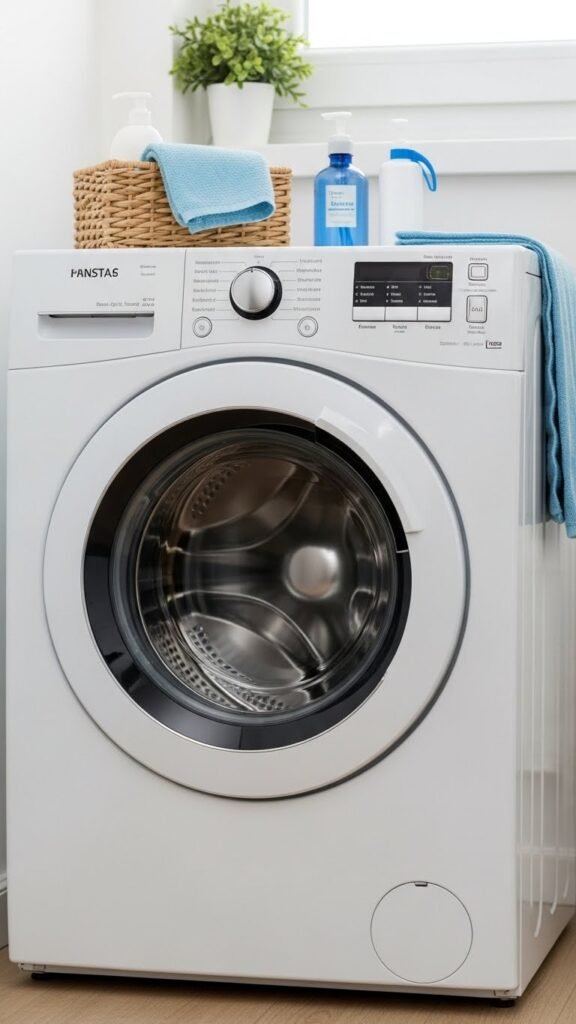
After reducing toilet water use, look next at your laundry — washing machines account for a big share of household water. Upgrade to a high-efficiency washer, and you’ll save water and energy.
Choose models with load-sensing and shorter cycles, practice cycle consolidation, and use detergent optimization to avoid overuse. You’ll gain independence from wasteful habits and lower bills while keeping clothes clean.
Build a Green Roof or Living Wall

If you want to reduce stormwater runoff, cut cooling costs, and add habitat in one move, build a green roof or living wall tailored to your space and climate.
Start with sedum mats for low maintenance or modular troughs for flexible layouts.
Guarantee waterproofing, drainage, and lightweight soil.
Plant native species, water wisely, and enjoy a freer, greener rooftop or vertical garden.
Use Reclaimed Wood for Furniture and Shelving
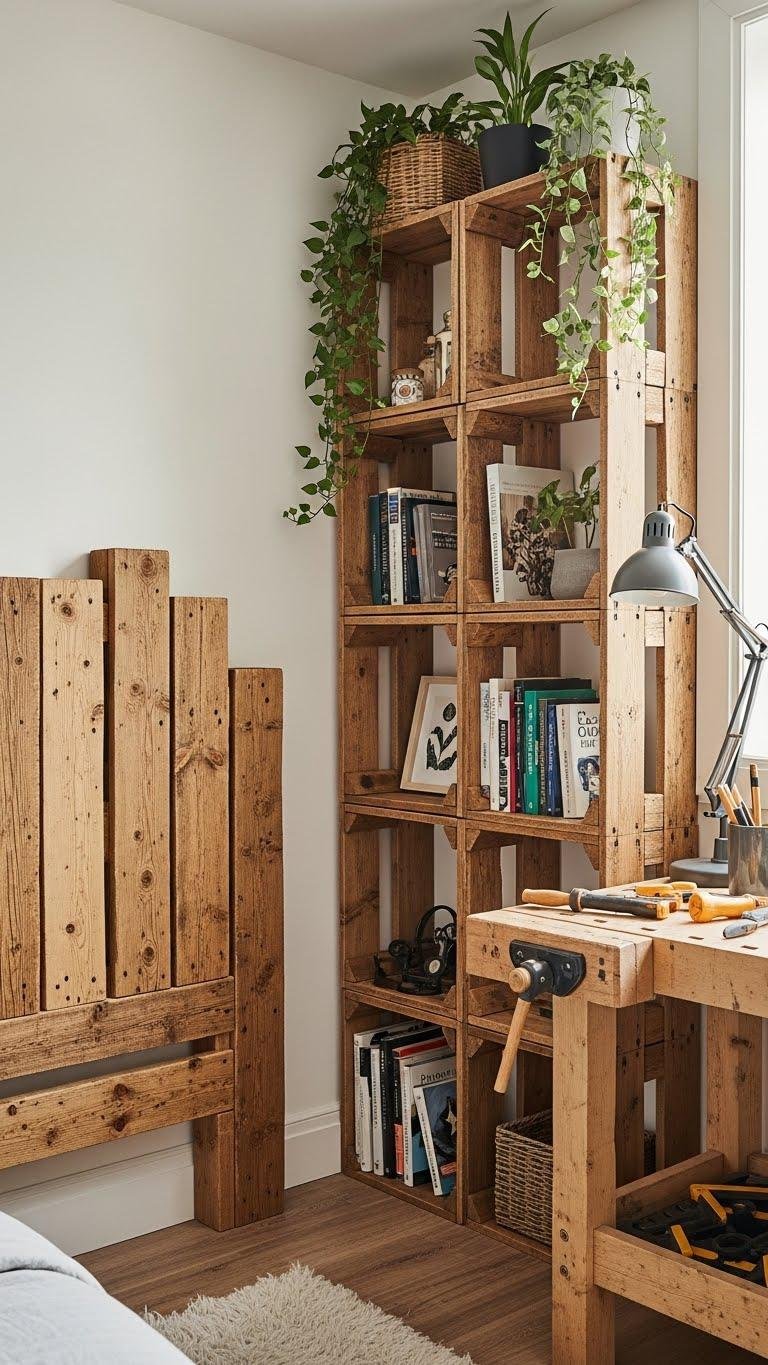
Moving from living roofs to the interiors of your home, you can keep that same environmental thinking by using reclaimed wood for furniture and shelving.
Choose sturdy planks for reclaimed headboards or craft pallet shelving for modular storage. Sand, seal with low-VOC finishes, and assemble with basic tools.
You’ll save resources, customize style, and enjoy the freedom of building durable, character-filled pieces.
Refurbish and Upcycle Old Furniture

Breathe new life into worn pieces by refurbishing and upcycling old furniture—it’s a practical way to cut waste and create unique items tailored to your space. You can sand, apply a paint revamp, and seal for durability.
Try a hardware swap to modernize handles and knobs. Work deliberately, choose low-VOC supplies, and trust your instincts to make functional, free-spirited pieces.
Refinish Hardwood Floors Instead of Replacing

Restore your floors instead of tearing them out—sanding and refinishing hardwood keeps the embodied energy of the wood intact and avoids landfill waste.
You can tackle surface repair, fill gaps, and sand to bare wood.
Test stain samples for finish matching, then apply low-VOC sealer.
Work room by room, pace yourself, and enjoy the freedom of reviving original floors without replacing them.
Install Eco-Friendly Roofing and Siding Materials
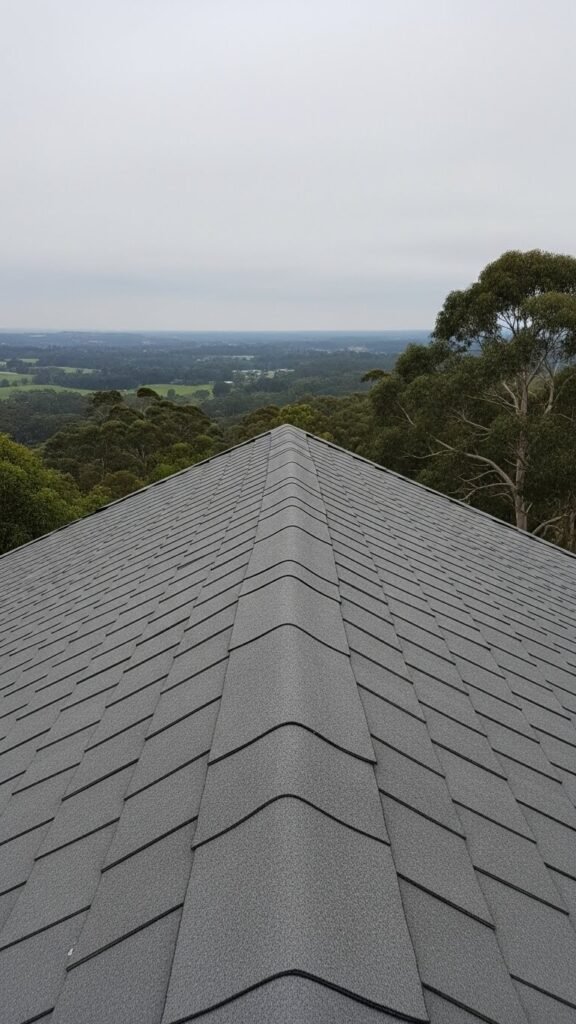
When you replace or upgrade your roof and siding, choose materials that cut embodied energy, improve durability, and lower maintenance—options like recycled metal, reclaimed wood, fiber-cement with recycled content, and class-A cool roofing can deliver strong performance with smaller environmental footprints. You can install recycled rubber shingles, hempcrete panels for breathable walls, and seal joints properly. Follow manufacturer specs, work safely, and enjoy lower bills.
Replace Garage and Entry Doors With High-Efficiency Options
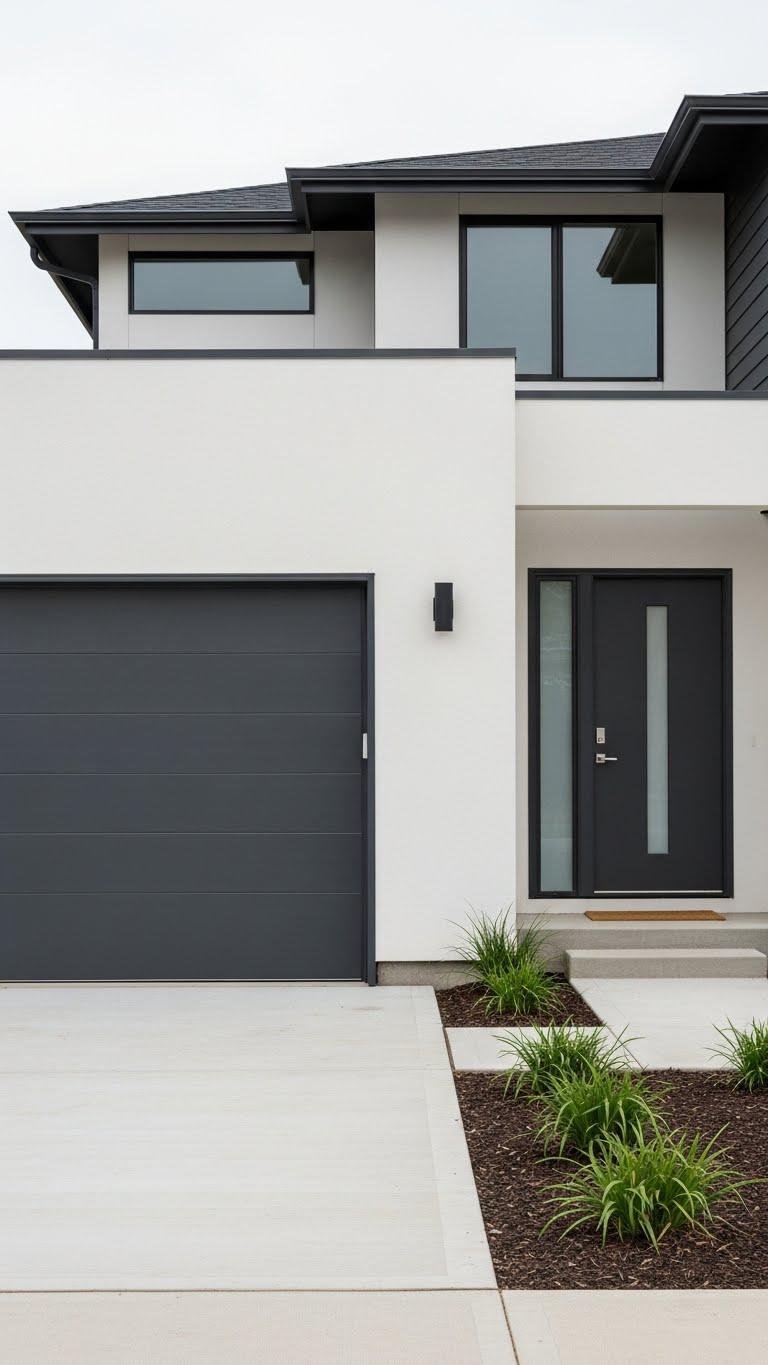
Although often overlooked, upgrading your garage and entry doors to high-efficiency models can cut heat loss, reduce drafts, and lower energy bills while improving security and durability.
Choose insulated doors with thermal breaks, tight seals, and durable cores.
You’ll measure frames, fit weatherstripping, and perform threshold upgrades for airtight performance.
Install or retrofit confidently to gain comfort, savings, and independence.
Create Composting Systems for Kitchen and Garden Waste
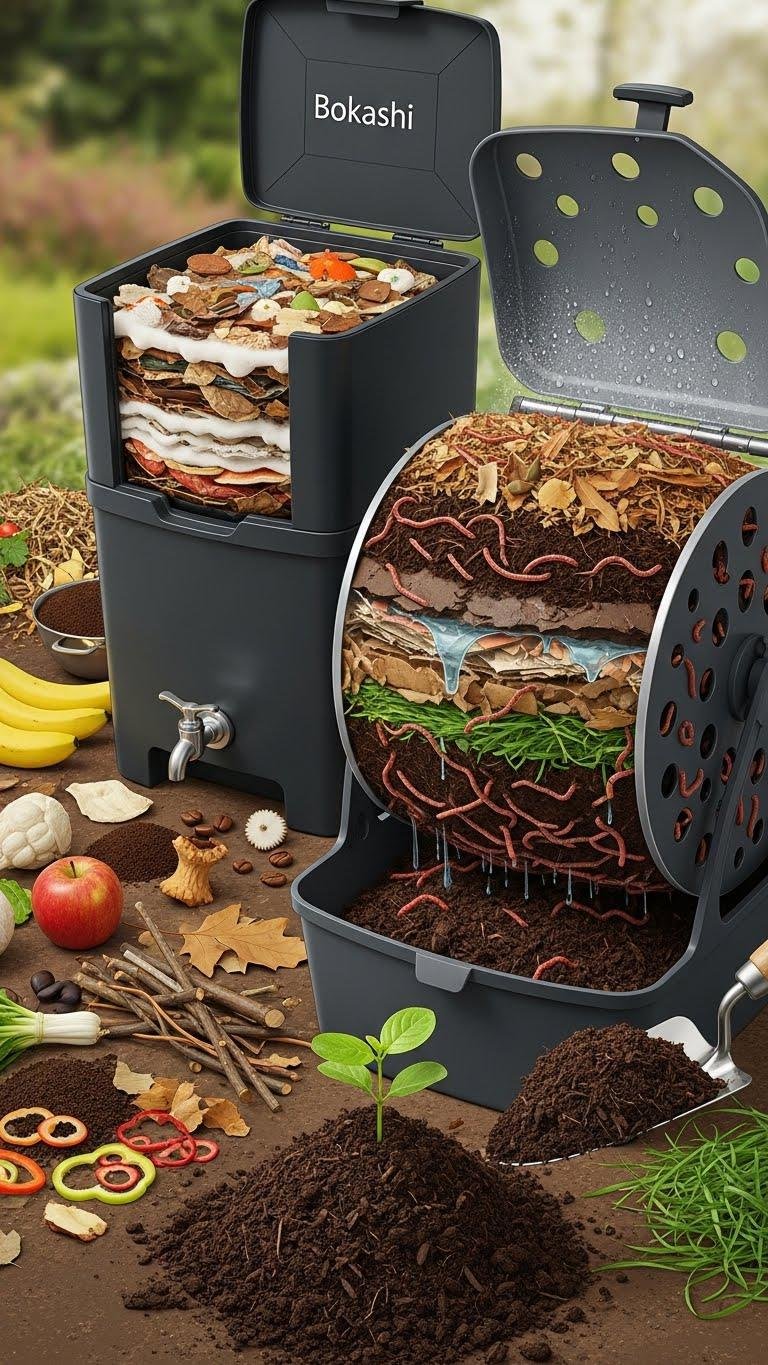
By setting up a simple composting system, you’ll turn kitchen scraps and garden trimmings into nutrient-rich soil that cuts waste and boosts your plants.
Choose a Bokashi bin for quick indoor fermentation or a Vermicompost tumbler for continuous worm-driven breakdown.
Layer brown and green materials, maintain moisture and aeration, and harvest rich compost to free yourself from store-bought fertilizers.
Switch to Low-VOC Paints and Finishes
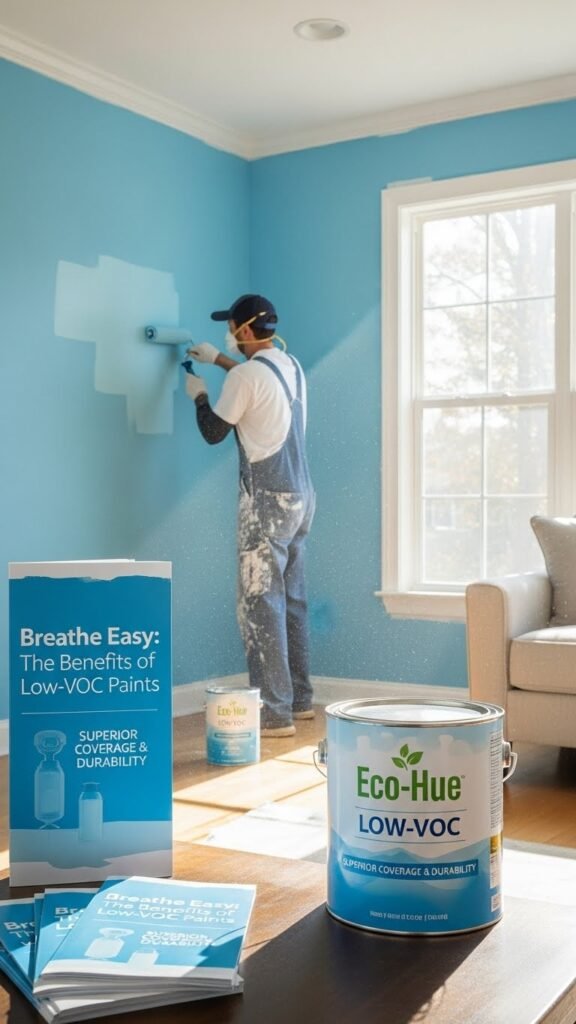
If you want healthier indoor air and fewer toxins in your home, switch to low-VOC paints and finishes that deliver the same coverage and durability as conventional products.
Choose coatings with natural pigments and use zero VOC primers for full protection. Prep surfaces, ventilate while painting, and pick washable, durable finishes.
You’ll reduce fumes, protect your family, and keep your space free and healthy.
Build Storage and Organizers From Recycled Materials
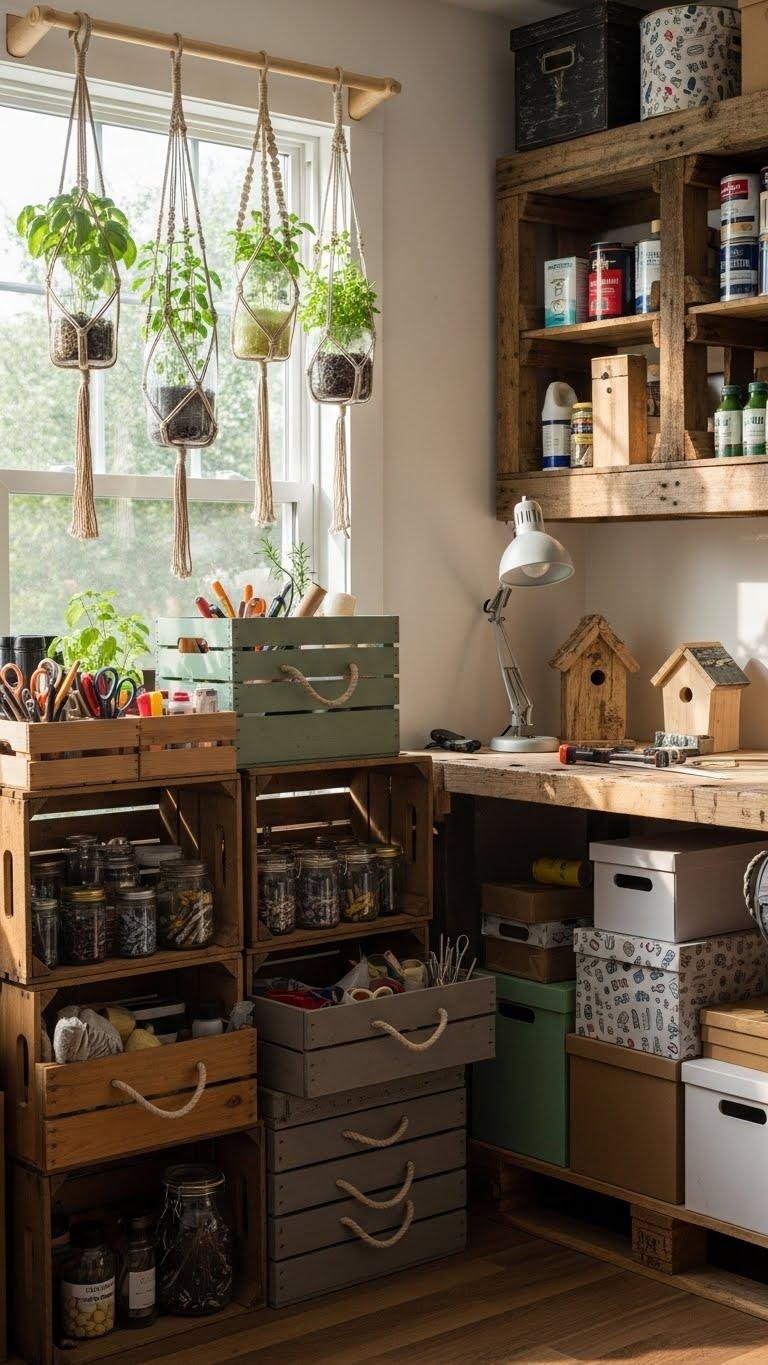
Repurposing old boxes, pallets, and jars into storage and organizers saves landfill space and gives you durable, customized solutions for your home.
Use crate organizers for closets and pantries, reinforcing with scrap wood and non-toxic glue.
Turn plastic bottles into hanging bottle planters for herbs or small tools.
Measure, cut, and finish with low-VOC sealant so your DIY stays practical, tidy, and free.
Install Smart Irrigation and Water-Saving Garden Fixtures

After you’ve sorted storage and organizers from reclaimed materials, you can apply the same resourceful mindset to watering: install smart irrigation and water-saving fixtures to cut runoff and overwatering while keeping plants healthy. You’ll fit drip controllers, low-flow emitters, and sensor valves, set schedules by zone, and monitor moisture.
This saves water, lowers bills, and gives you freedom to enjoy a resilient, low-maintenance garden.
Use Sustainable Insulation and Natural Building Materials
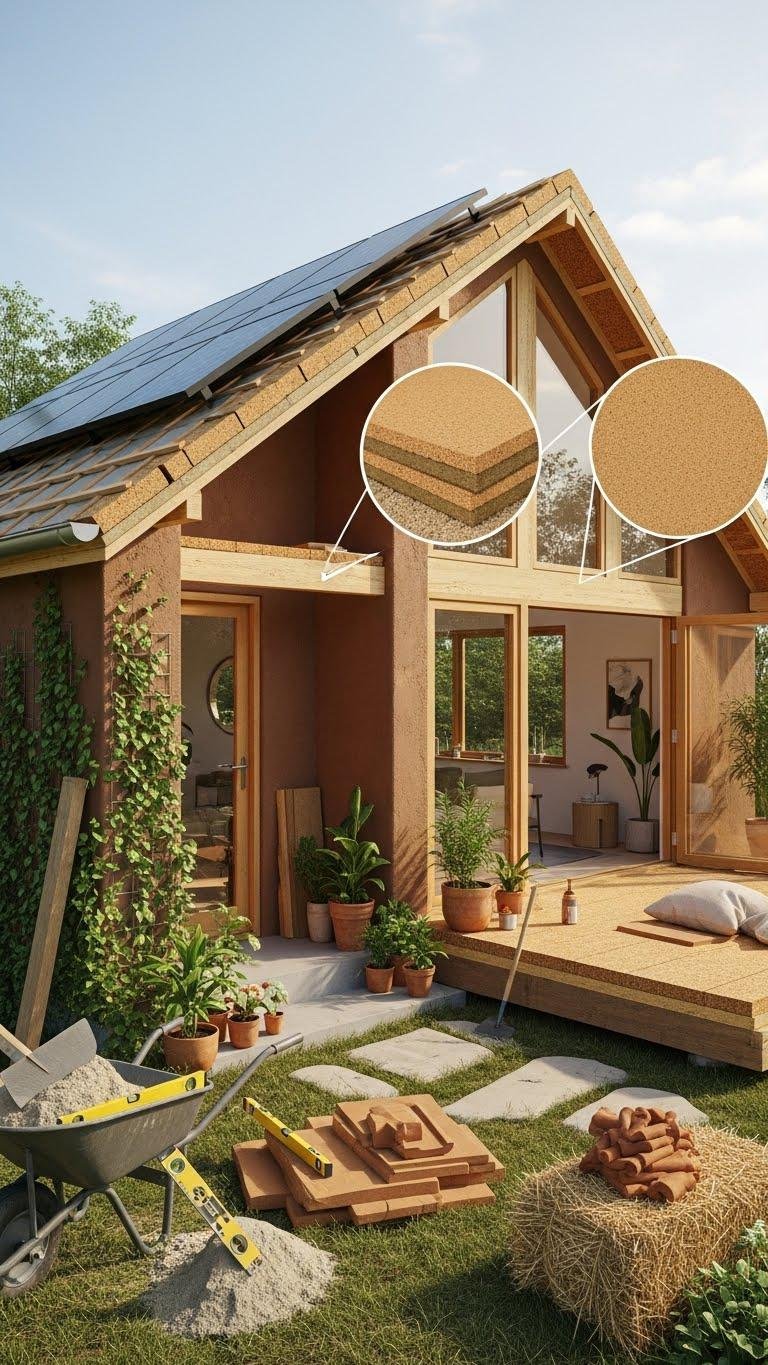
When you build or retrofit, choose sustainable insulation and natural materials that cut energy use and reduce your home’s carbon footprint. You can use hempcrete construction for breathable, low-carbon walls and cork insulation in floors and roofs to damp noise and improve thermal performance. Plan simple DIY mixes, source local materials, and follow safety guidelines so your home stays efficient, healthy, and freeing.