
You can make a room feel calm and curated without fuss by focusing on texture, natural materials, and a restrained palette. Use a few sculptural pieces, layered soft lighting, and smart storage so every item earns its place. These 24 minimalist tricks show how to balance warmth and simplicity, keep things functional, and let negative space do the heavy lifting — and they’ll change how your rooms breathe.
Embrace Layered Textures for Depth and Warmth
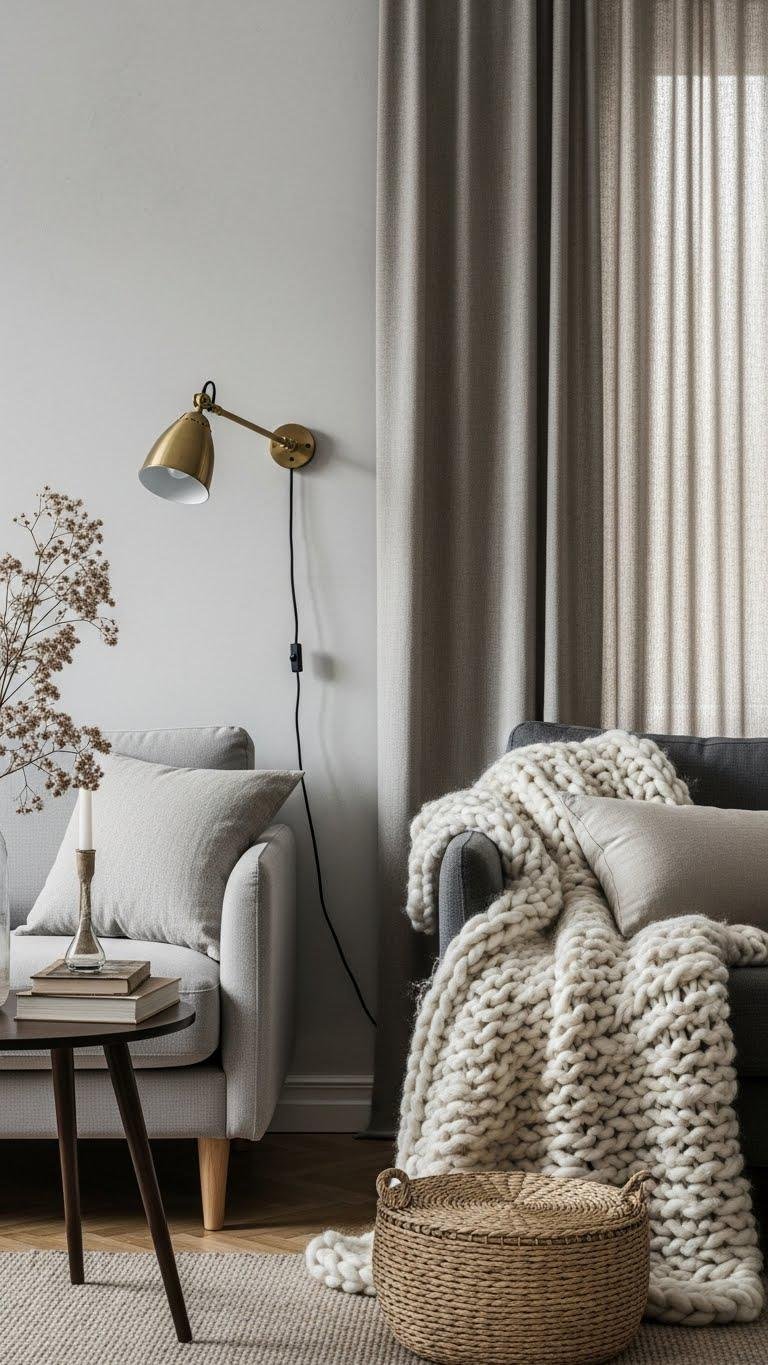
When you pair contrasting fabrics and finishes—linen curtains with a chunky wool throw, a matte plaster wall against a brass lamp—you create depth without clutter; layered textures add warmth, guide the eye, and make minimalist spaces feel lived-in and intentional.
You’ll use tactile contrasts and smart fabric layering to balance simplicity with comfort, choosing a few quality pieces that invite touch and let your space breathe.
Choose a Warm Neutral Palette

Layered textures set the mood; now pick a warm neutral palette to reinforce that feeling. Choose sun kissed neutrals—soft cream, muted terracotta, gentle taupe—to brighten and calm. Balance with cozy beige accents in pillows or throws for subtle contrast.
Keep surfaces uncluttered, let light play, and trust simplicity. You’ll create an inviting, liberated space that feels intentionally effortless.
Mix Natural Materials Throughout
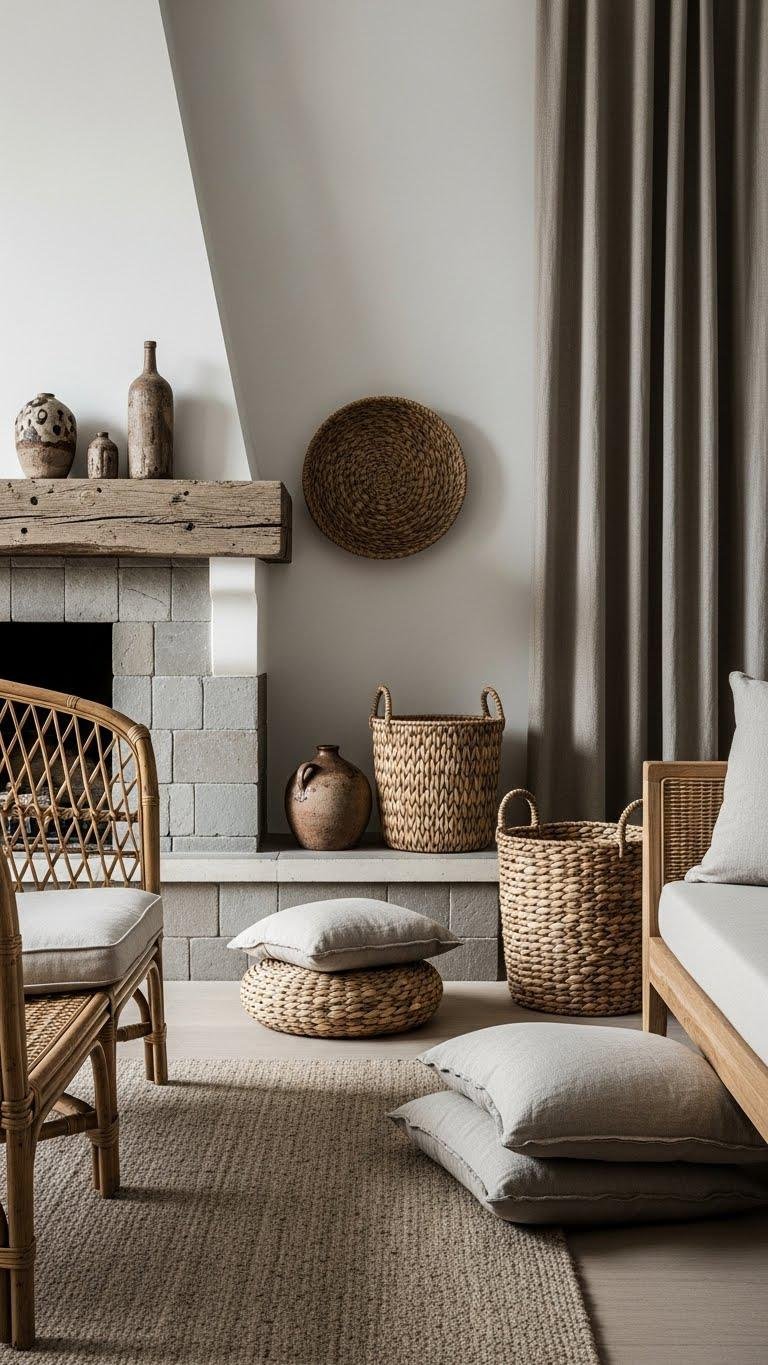
Mix in natural materials to give your minimalist scheme warmth and tactile depth—think woven rattan, weathered wood, linen, and stone paired across the room. Balance reclaimed teak accents with woven seagrass baskets, choose raw linen cushions and curtains, and add a stoneware tile hearth or splashback. You’ll create a calm, liberated space that feels lived-in without clutter.
Invest in Multi-Functional Furniture
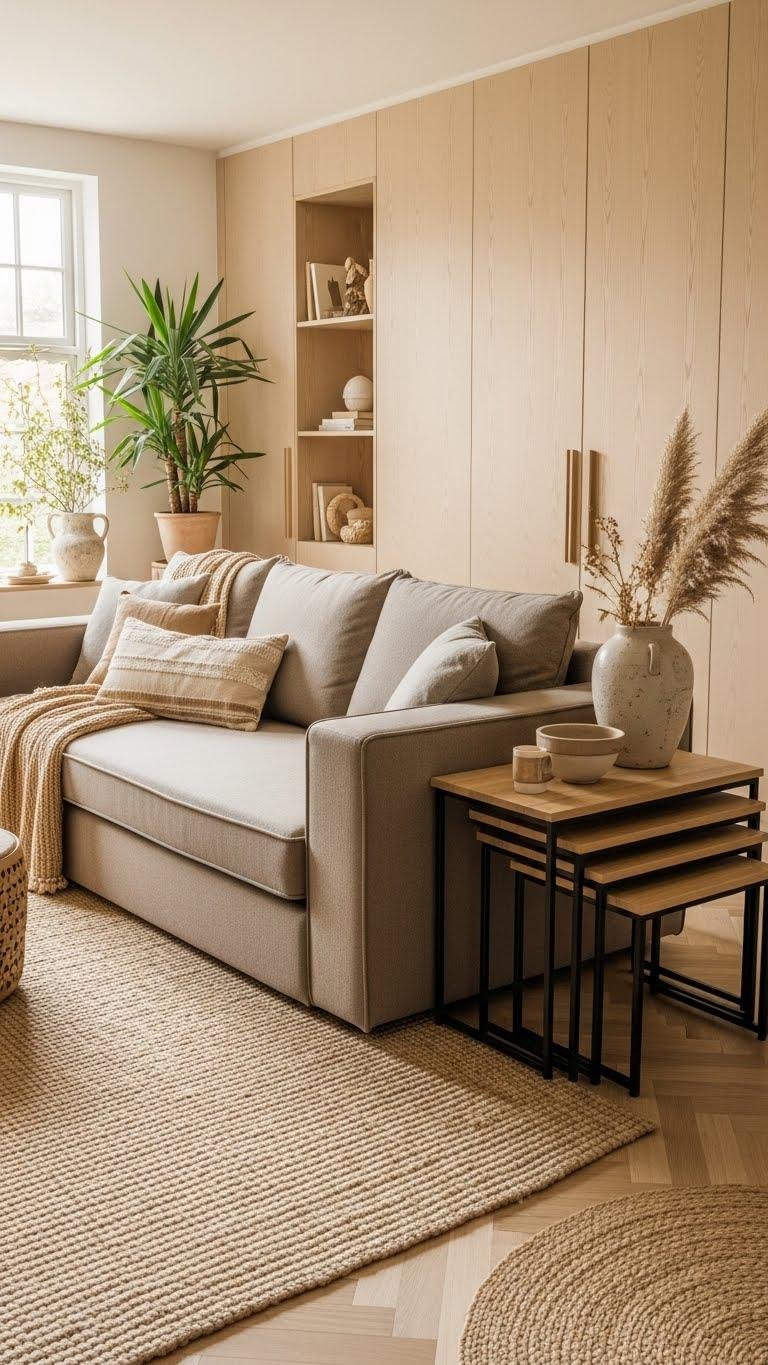
Natural materials set the tone; now let multi-functional furniture keep the space uncluttered and purposeful.
Choose a convertible sofa for effortless hosting and restful solitude, then pair it with nesting tables that tuck away when you crave open floor. You’ll gain flexible seating, hidden storage, and clean lines that let you move freely, simplify routines, and enjoy a serene, adaptable room.
Opt for Sculptural, Curved Forms

Soften the room with sculptural, curved forms that guide the eye and invite touch—think rounded sofas, arched mirrors, and bowl-like coffee tables that break strict rectilinear lines. You’ll choose pieces with abstract silhouettes and ergonomic curvature to foster calm, movement, and comfort.
Pair a statement curve with minimal surroundings, let negative space breathe, and allow flowing shapes to create effortless, liberated interiors.
Use Patterned Neutral Accents
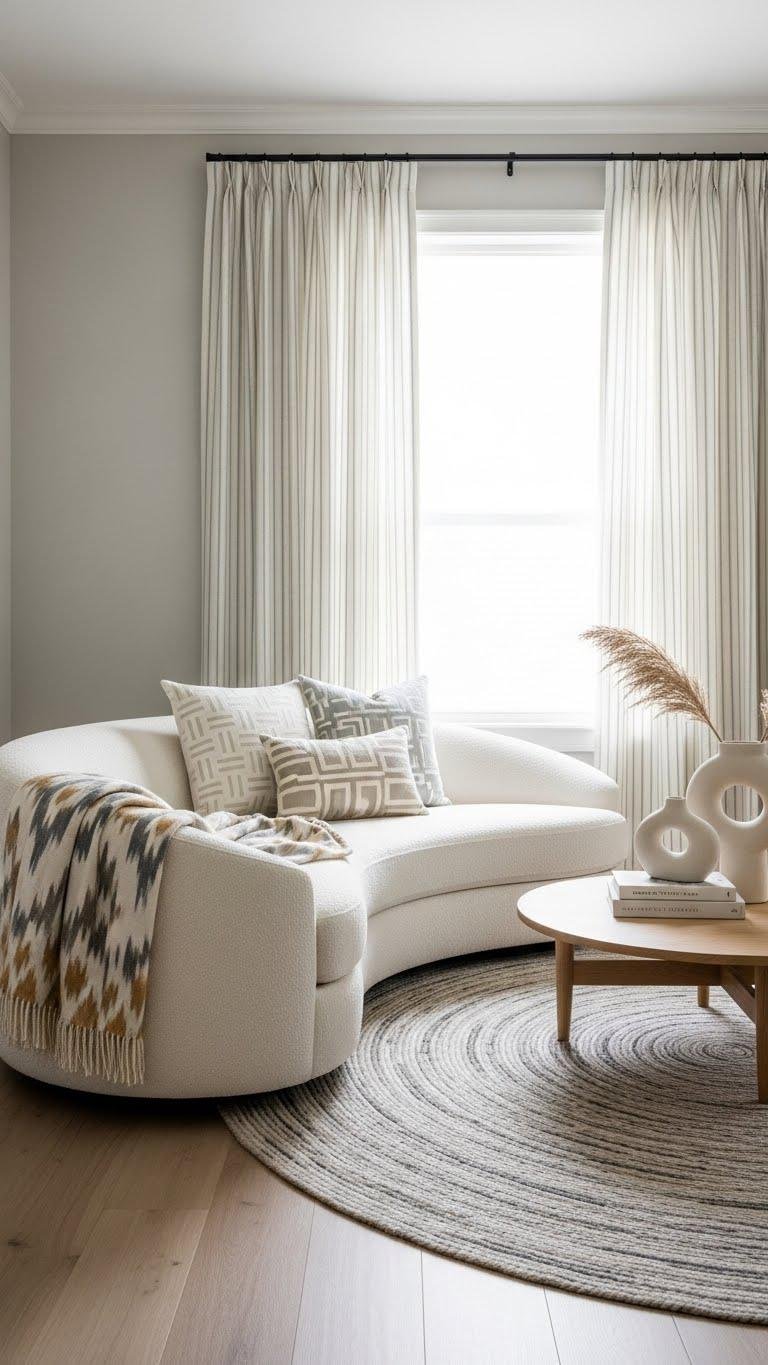
Curved forms set the stage; patterned neutral accents add subtle rhythm without stealing the calm.
You bring patterned neutrals into your space with restraint: a textured ikat throw, cushions featuring subtle geometrics, or curtains in muted stripes. Each piece complements curved silhouettes, creates visual interest, and preserves openness.
Choose scale and placement deliberately so patterns whisper, not shout, keeping your room free and composed.
Balance Clean Lines With Soft Textiles
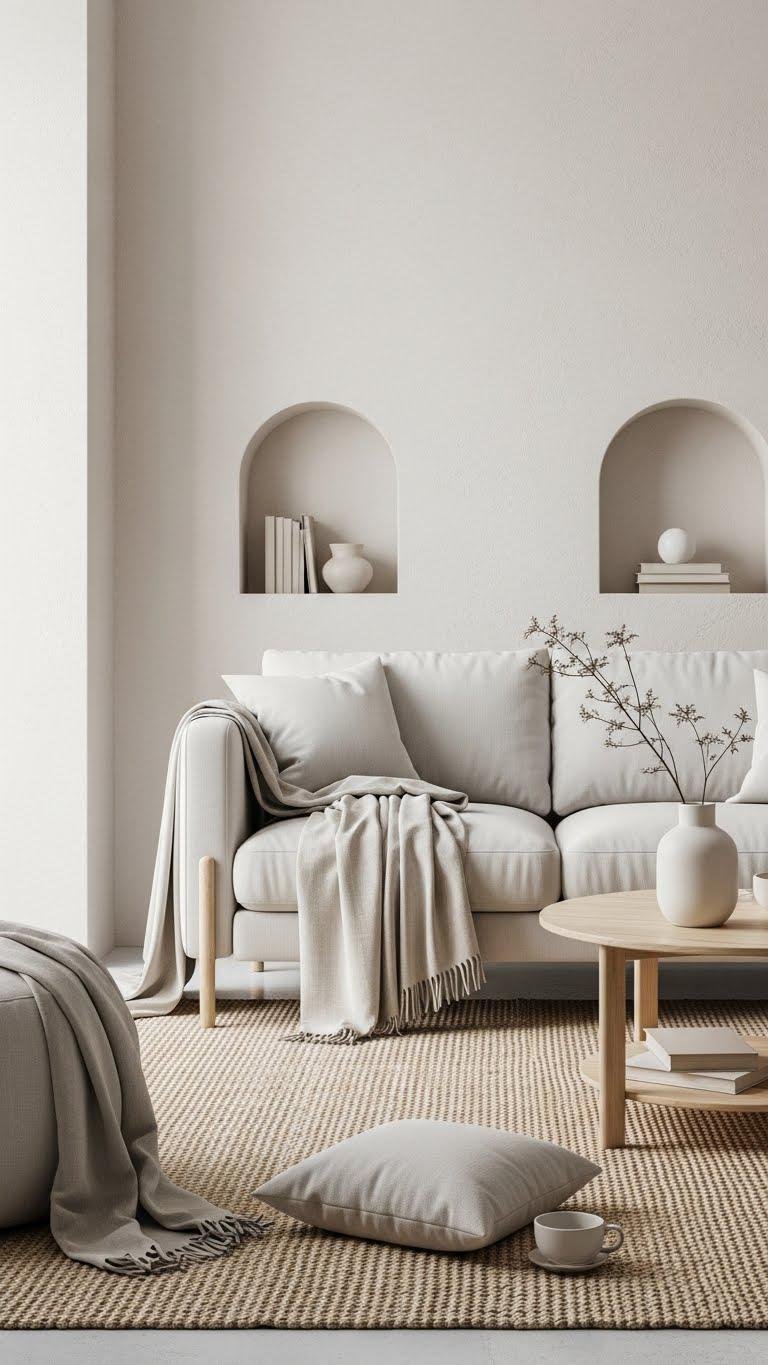
Pair crisp architectural silhouettes with tactile textiles to keep minimal spaces inviting rather than austere. You’ll balance clean lines with soft linen throws, woven rugs, and subtle cushions to soften edges without clutter.
Choose furniture with rounded silhouettes, light palettes, and open negative space. Rotate textures seasonally, keep shapes simple, and let breathable fabrics create a calm, liberated atmosphere that still feels structured.
Prioritize Sustainable, Reclaimed Pieces
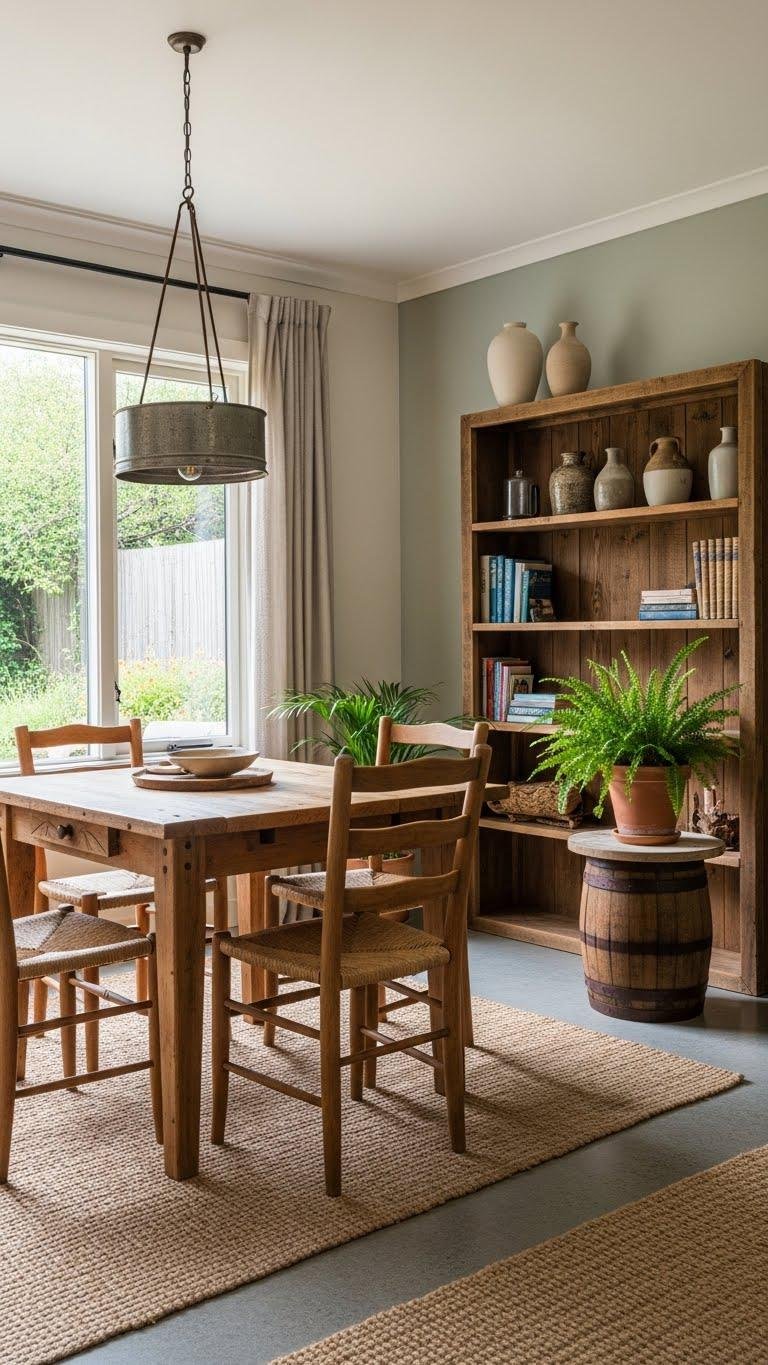
Sustainability should guide your sourcing: choose reclaimed wood, vintage finds, and low-impact materials to give your minimalist space character without waste. You’ll favor heritage woodworking for durable, story-rich furniture and scout markets for pieces that let you edit freely.
Add upcycled lighting for personality and reduced footprint. Prioritize quality over trends, repair when needed, and keep the palette restrained to amplify calm.
Add Warm Metallic Finishes Sparingly

Paragraphs
Incorporate Handmade Ceramics and Artifacts

Bring in handmade ceramics and artifacts to ground a minimalist space with warmth and character; a single hand-thrown vase, a matte-glazed bowl, or a small sculpted figurine can serve as a quiet focal point without cluttering the room.
You’ll choose pieces with honest artisan glaze and clear studio provenance, let them breathe on a shelf or table, and enjoy a restrained, liberated aesthetic.
Create Intentional, Purposeful Vignettes
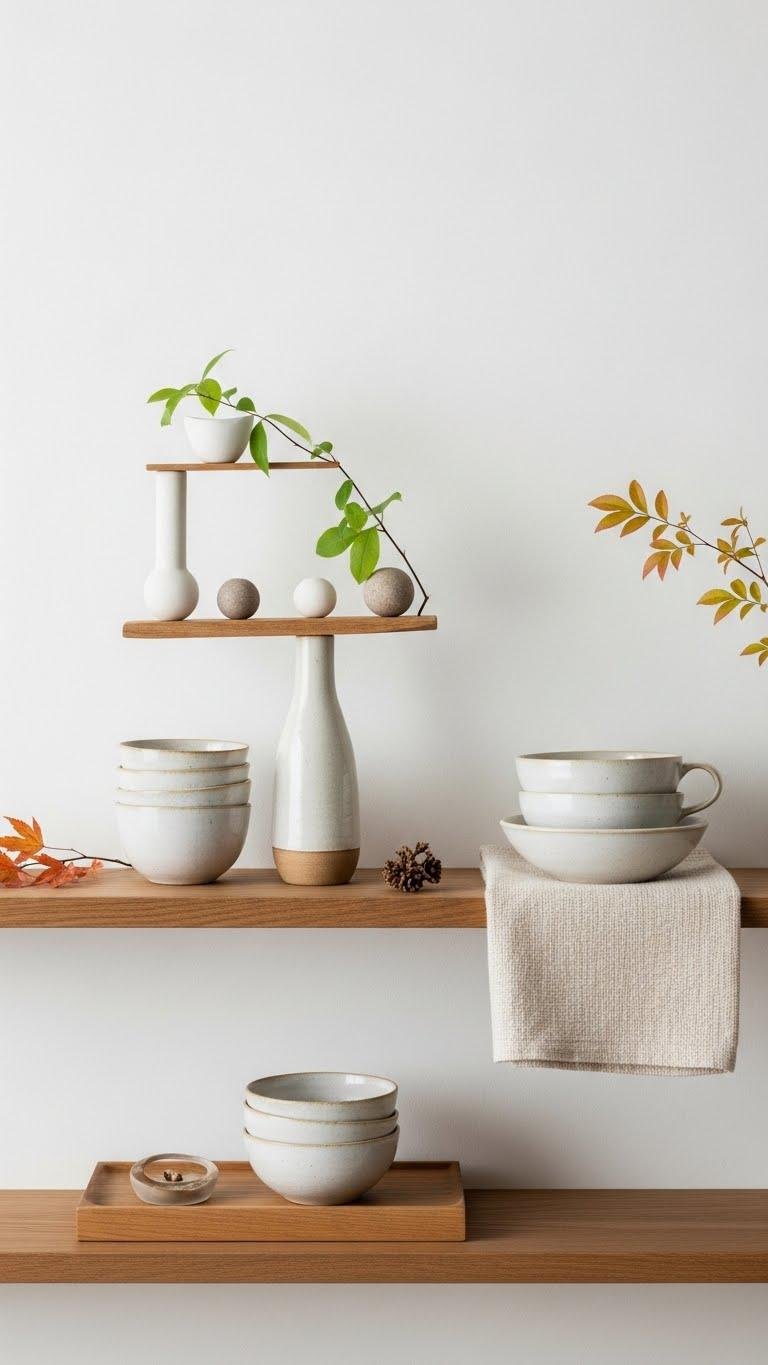
Those handmade ceramics deserve a stage—compose small, purposeful vignettes that let each piece read clearly. You’ll arrange objects with restraint, using negative space and scale play to balance presence and air.
Rotate seasonal vignettes to reflect mood and light, swapping one or two elements. Keep compositions simple, intentional, and easy to change so your rooms feel liberated, not cluttered.
Limit Color Accents to One or Two Shades
Paragraphs
Use Low-Contrast Monochromatic Schemes
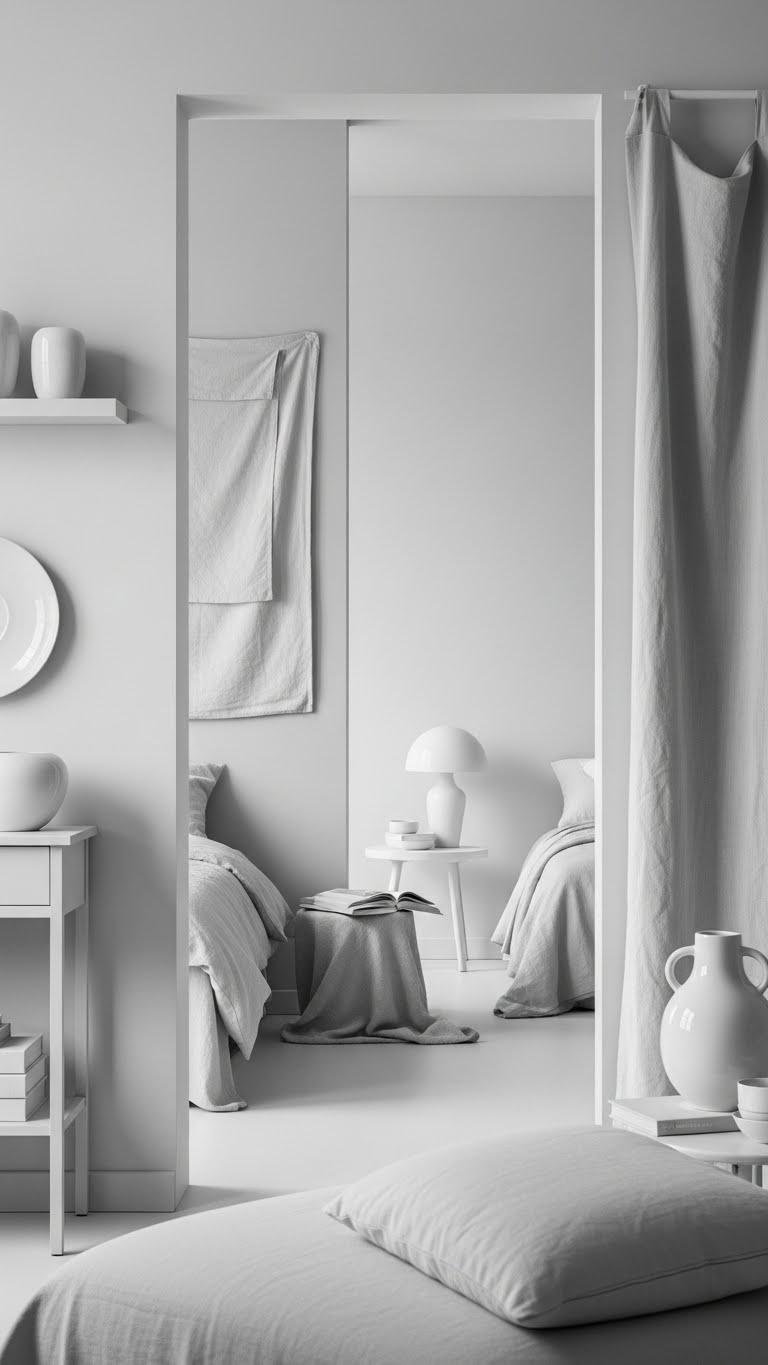
Paragraphs
Layer Rugs to Define and Soften Spaces
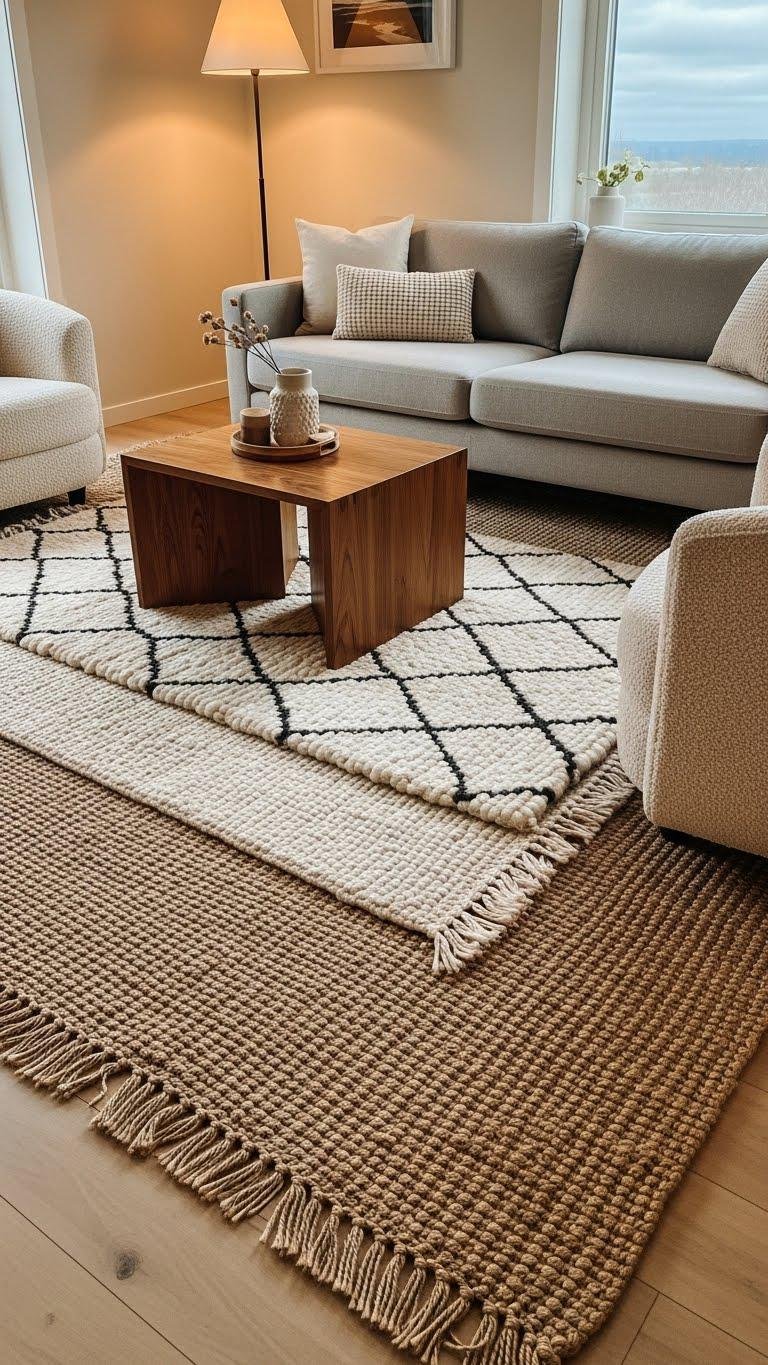
By layering rugs, you create defined zones and a softer underfoot feel without cluttering the room; start with a large, neutral base and add a smaller textured or patterned piece to anchor seating or a bed.
You’ll establish a clear rugs hierarchy, using scale and material to guide the eye. Play with edge contrast to frame areas, keep lines clean, and move freely.
Bring in Organic, Imperfect Elements
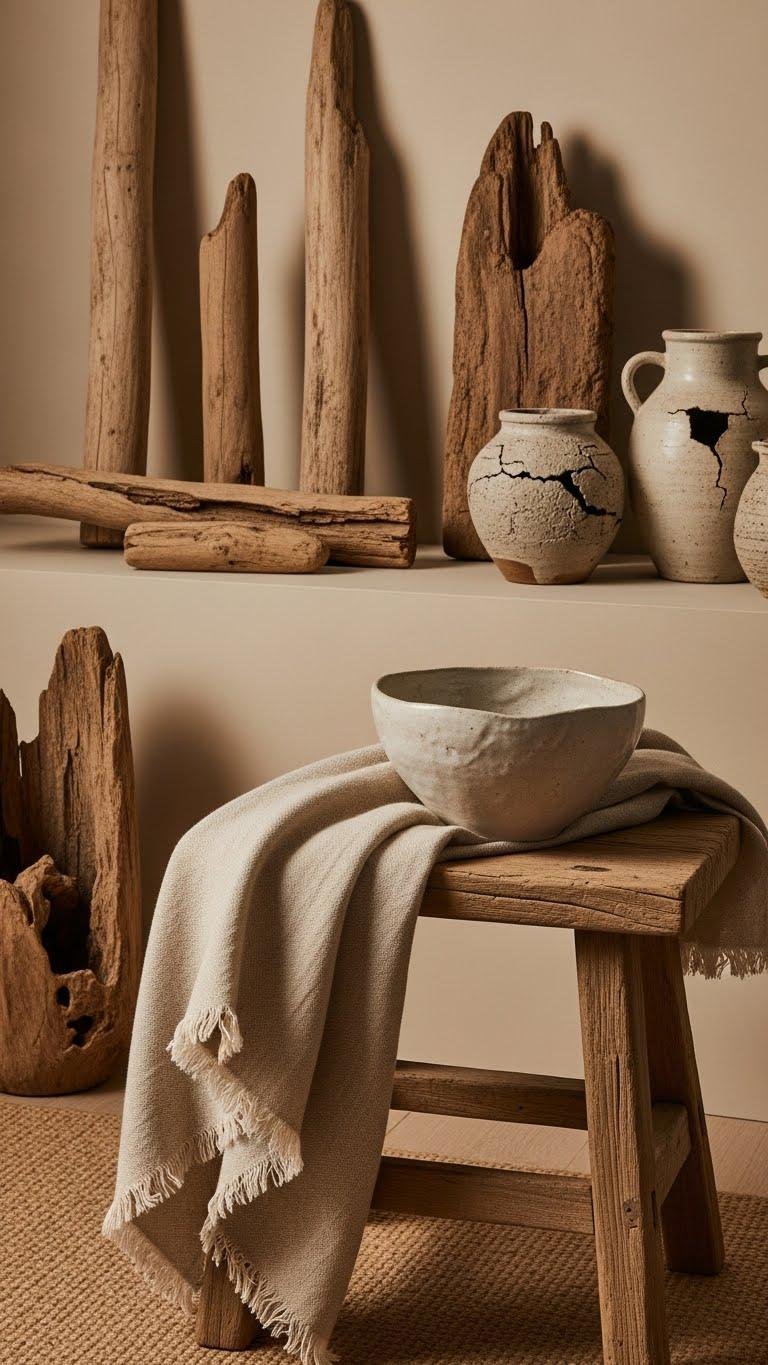
Although minimalism values restraint, adding organic, imperfect elements softens strict geometry and makes spaces feel lived-in.
You’ll introduce wabi sabi accents—uneven textiles, driftwood, and rough hewn pottery—to celebrate imperfection without clutter. Place a single tactile bowl, a raw wooden stool, or a frayed linen throw to anchor calm.
These choices free your room, invite warmth, and honor honest materials.
Maximize Natural Light and Soft Window Treatments
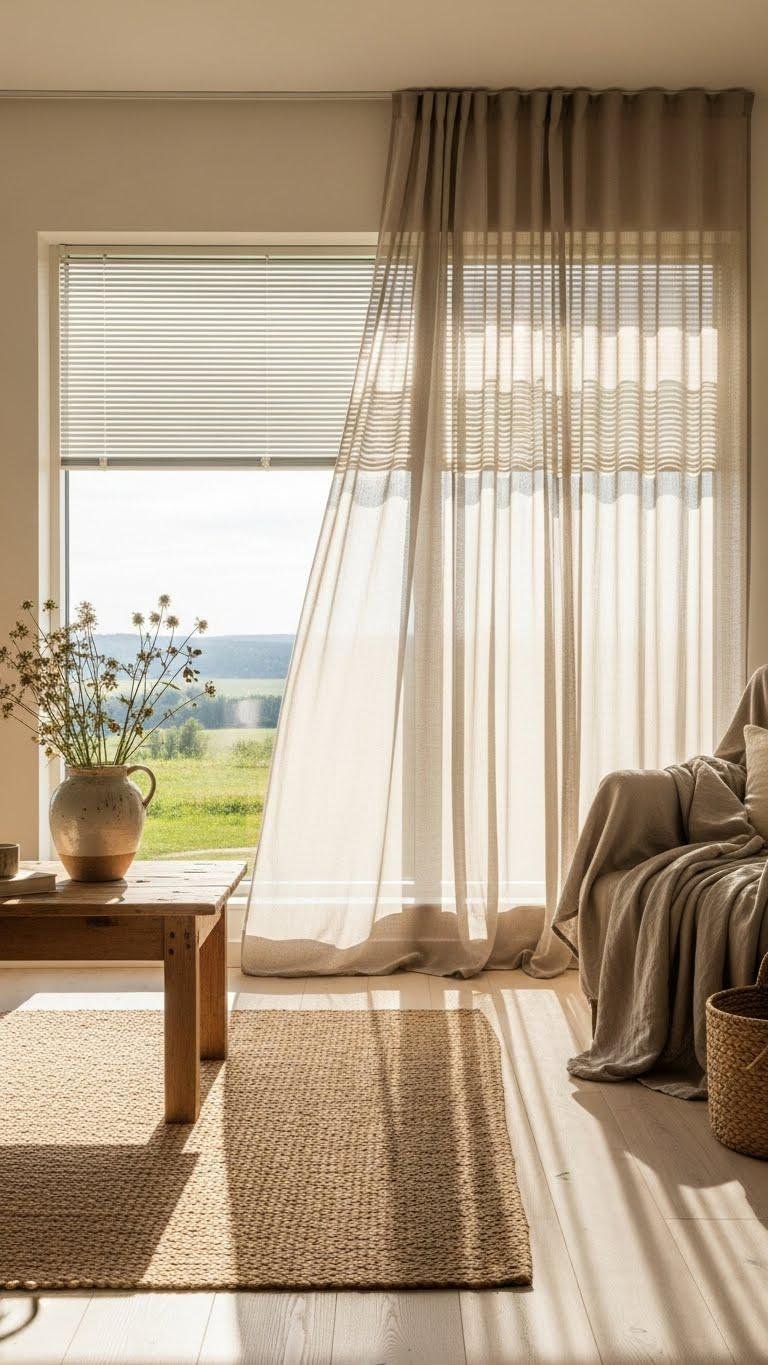
Let the tactile, imperfect pieces you’ve placed breathe by opening up light sources and softening window treatments; natural light makes textures sing and keeps the space feeling airy rather than cluttered.
You’ll favor sheer panels for gentle diffusion, pair them with low-profile solar blinds for glare control, and keep hardware minimal. Aim for layered, movable treatments that let you live freely in light.
Select Ergonomic, Comfortable Seating
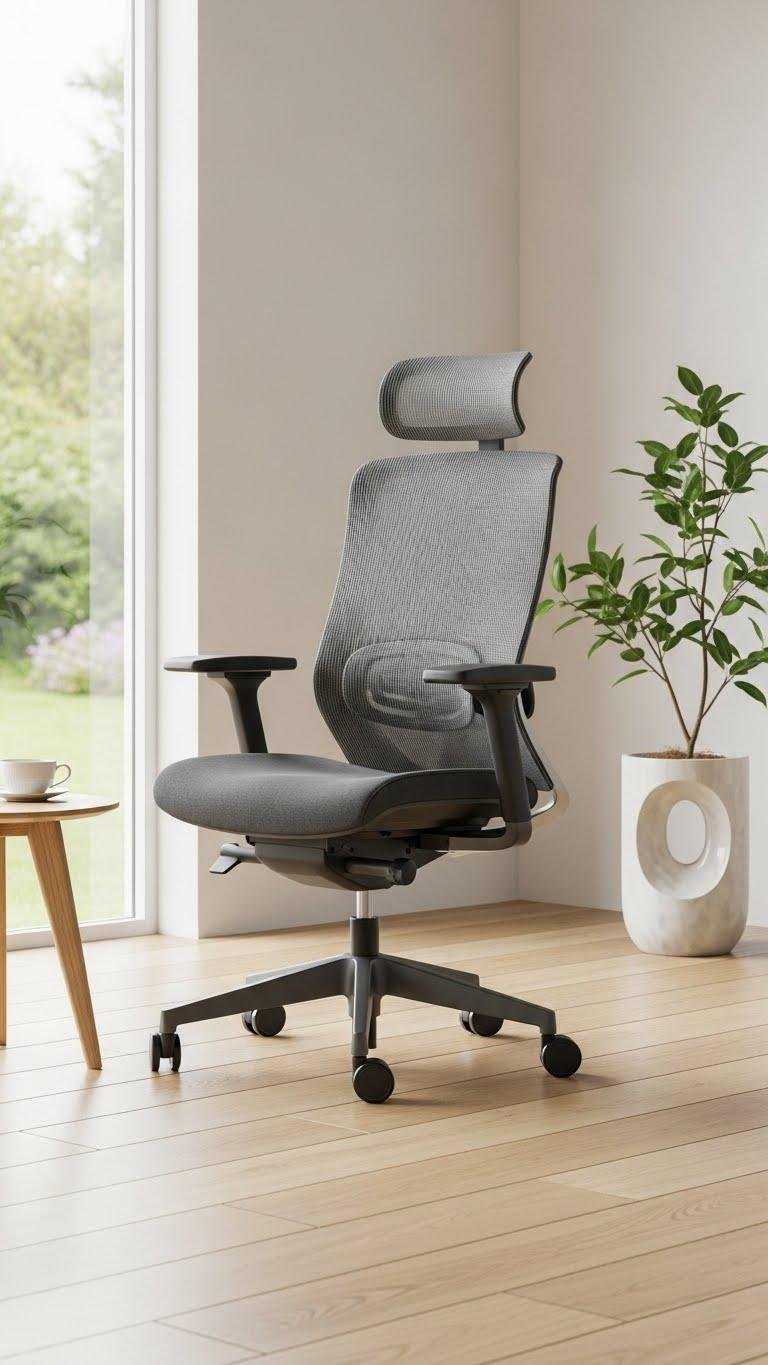
Choose seating that feels as intentional as the rest of the room: prioritize ergonomic support, clean lines, and tactile materials that invite you to sit without shouting for attention.
Pick pieces with adjustable lumbar support, breathable mesh for cool comfort, or memory foam for gentle contouring. Opt for a compact swivel base to stay mobile.
Keep forms simple so your freedom to move and relax remains effortless.
Curate Meaningful Objects, Not Clutter
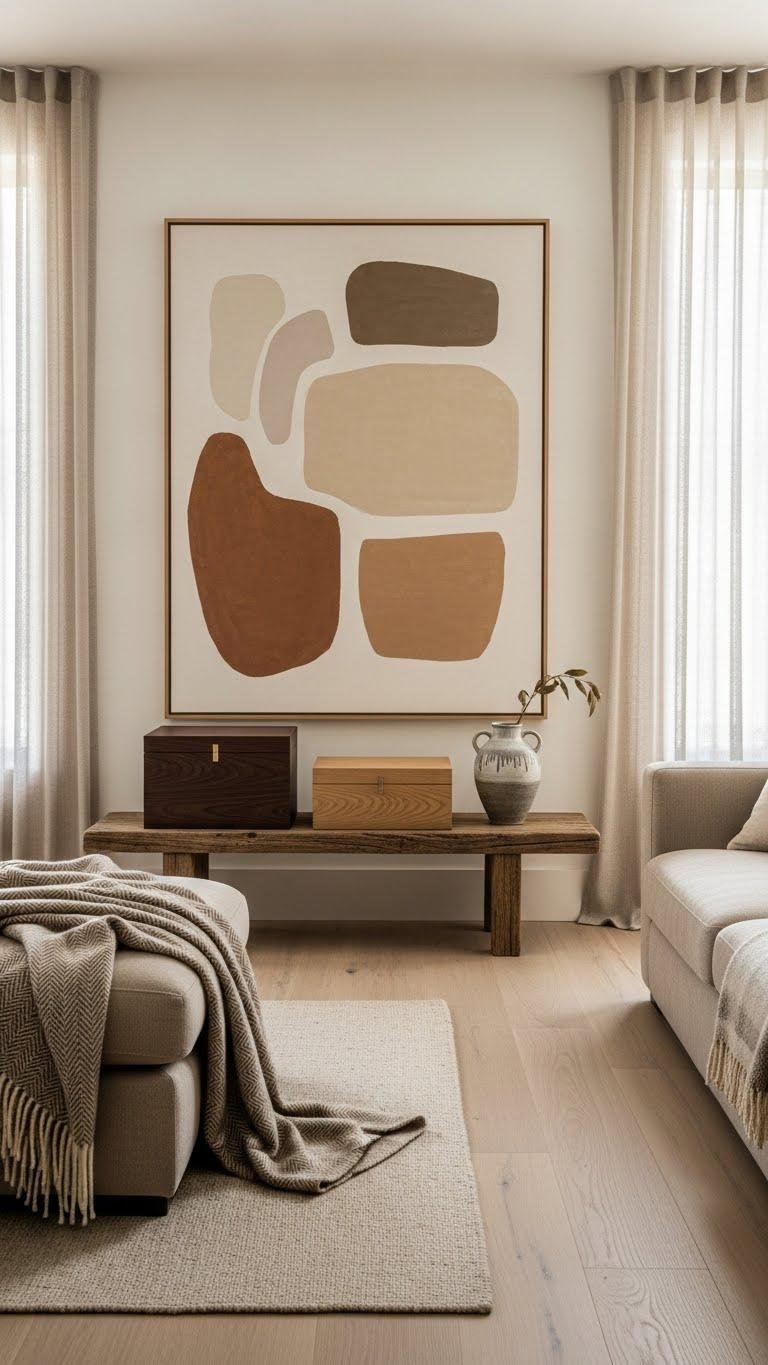
After you’ve settled on seating that supports both posture and pause, turn your attention to the objects that share the space. Choose pieces that free you: one artwork, a couple of memory boxes, and tactile heirlooms that invite touch. Edit ruthlessly, keep surfaces intentional, and let each item earn its place. Fewer objects will make the room feel open and liberating.
Use Built-In Storage to Maintain Calm Surfaces

With integrated shelving and drawers, you’ll keep surfaces uncluttered and the room’s calm intact.
Choose hidden cabinetry and recessed shelving to tuck essentials away, preserving clean sightlines.
You’ll streamline routines, reduce visual noise, and feel freer in the space.
Opt for neutral finishes and simple pulls so storage vanishes into the architecture, letting breath and openness define the room.
Introduce Greenery With Sculptural Plants
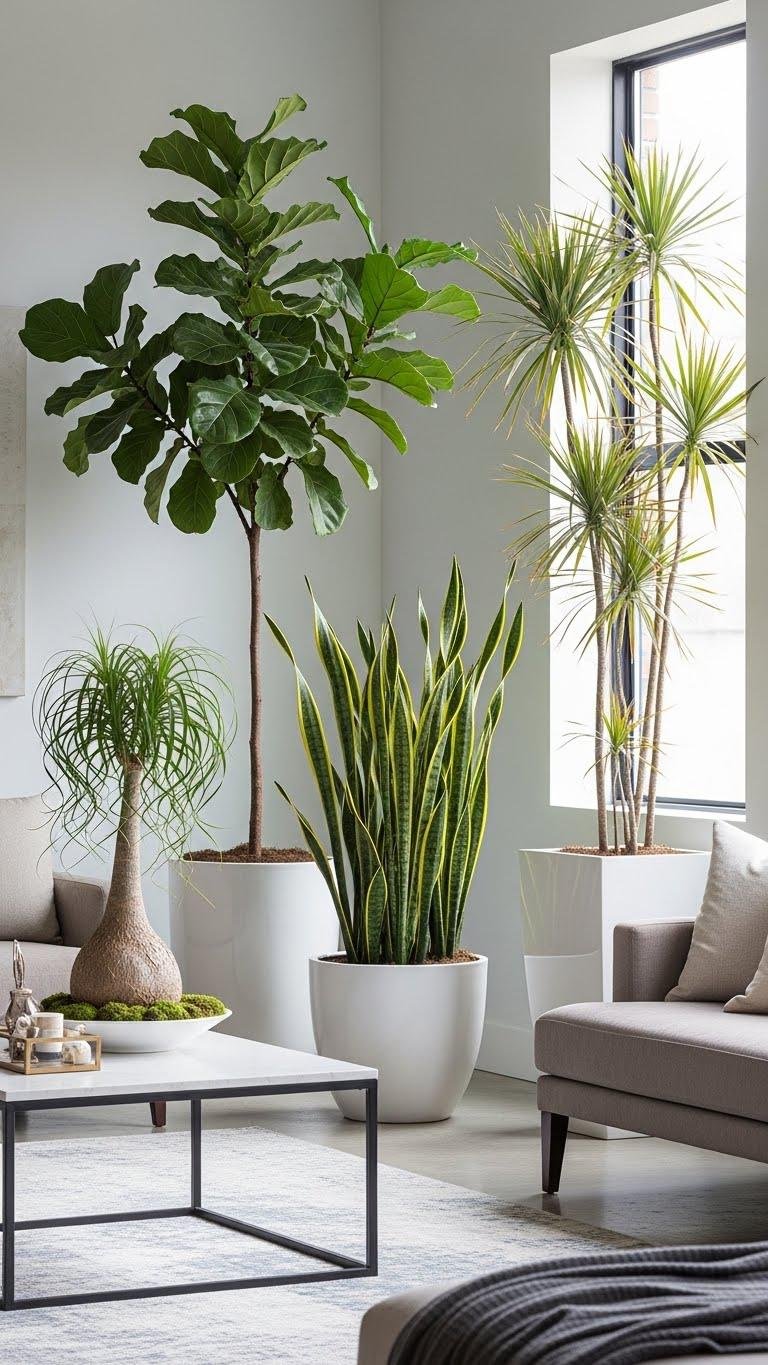
Echoing the room’s clean lines, sculptural plants bring life without clutter — pick specimens with strong silhouettes like fiddle-leaf figs, snake plants, or ponytail palms to act as living focal points.
You’ll pair them with architectural planters for scale and restraint, and use sculptural dracaena arrangements to add vertical drama. Place pieces deliberately, rotate occasionally, and keep maintenance simple for a liberated, calm space.
Employ Ambient, Dimmable Lighting Layers
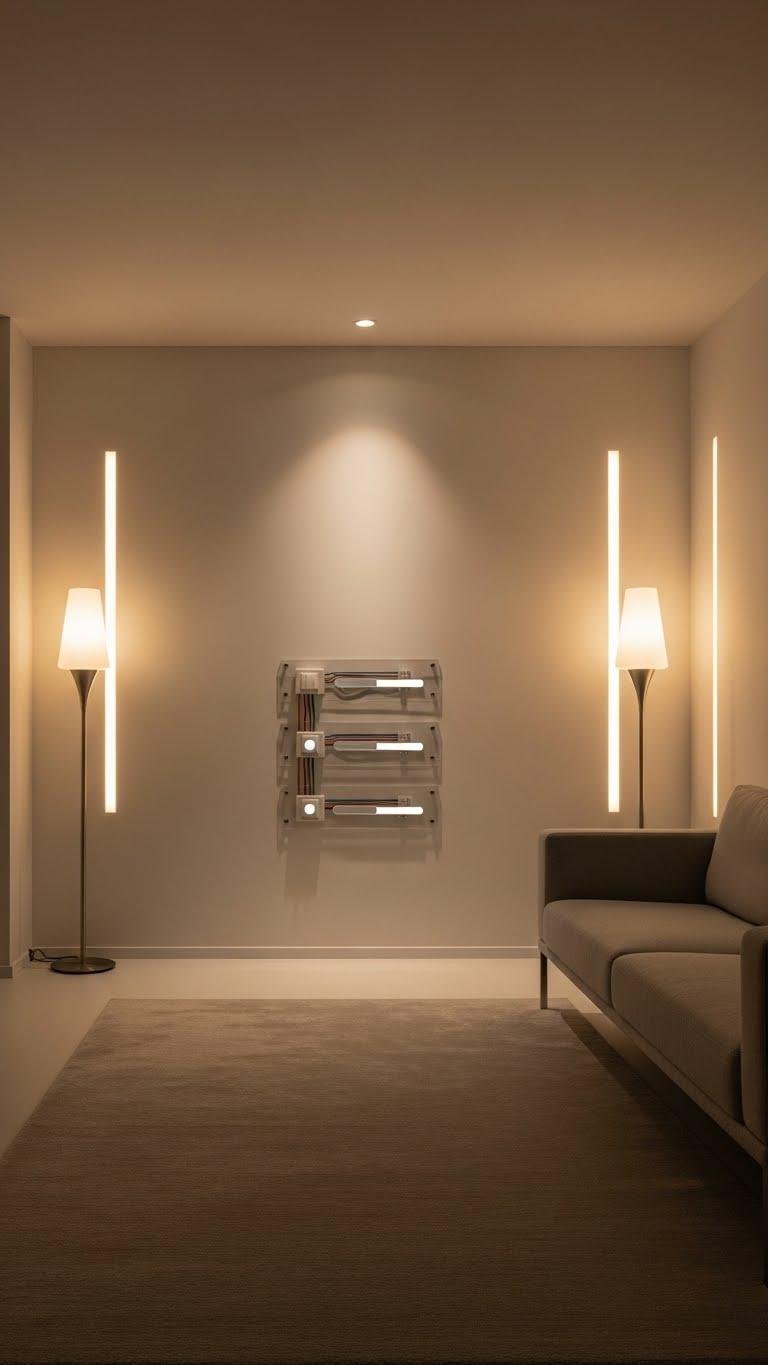
Often you’ll rely on soft, dimmable ambient layers to set the room’s mood — they create warmth without competing with your minimalist lines.
You’ll choose fixtures that offer a soft glow and unobtrusive profiles, combine layered dimmers to control intensity, and add torchère accents for vertical presence.
Keep palettes neutral, circuits simple, and lighting flexible so you can move freely through calm, intentional spaces.
Blend Japandi Principles for Serene Minimalism
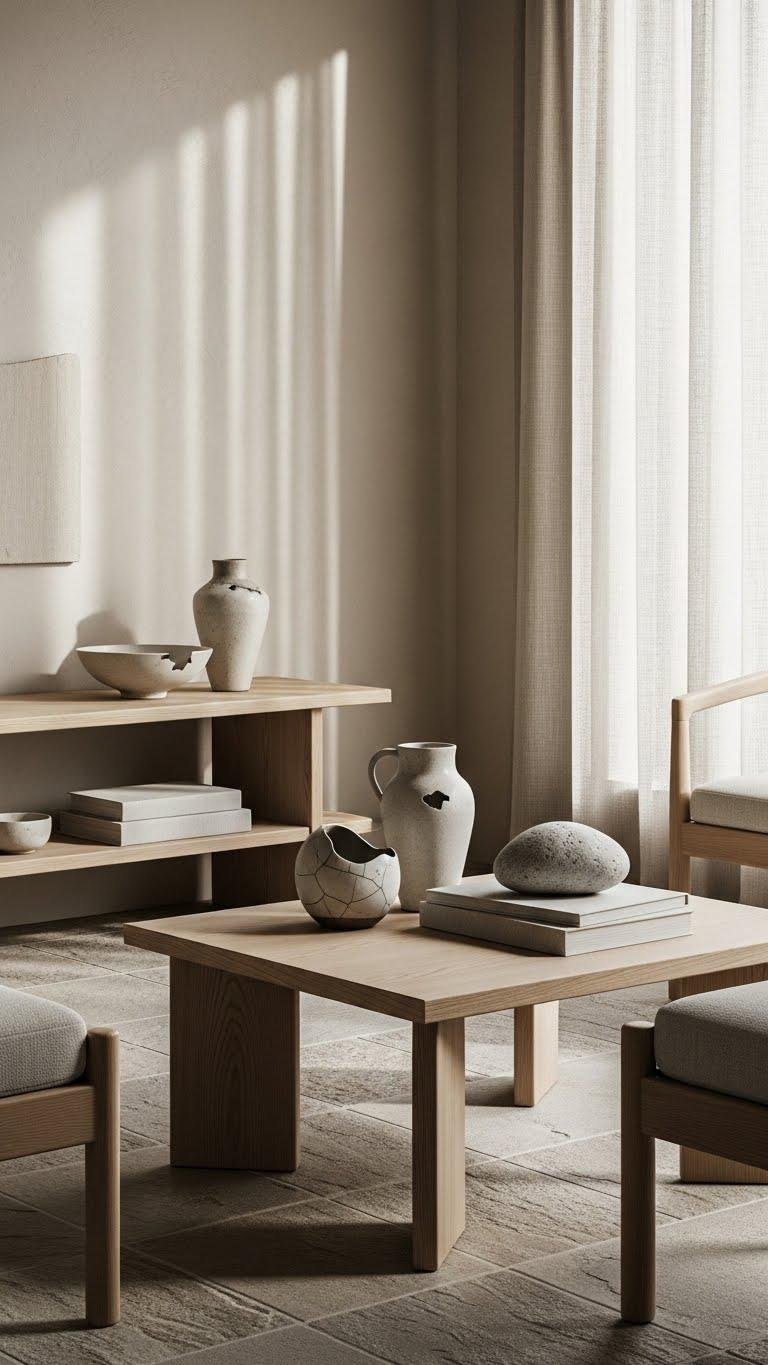
Soft, layered lighting lays the mood; Japandi takes that mood and pares everything back to quiet function and crafted warmth. You choose uncluttered silhouettes, embrace wabi sabi imperfections, and favor muted palettes.
Let natural minimalism guide material choices—light woods, stone, and simple ceramics—so your space breathes. You keep only what supports calm, freedom, and purposeful living, creating serene restraint without rigidity.
Choose Durable, High-Quality Textiles
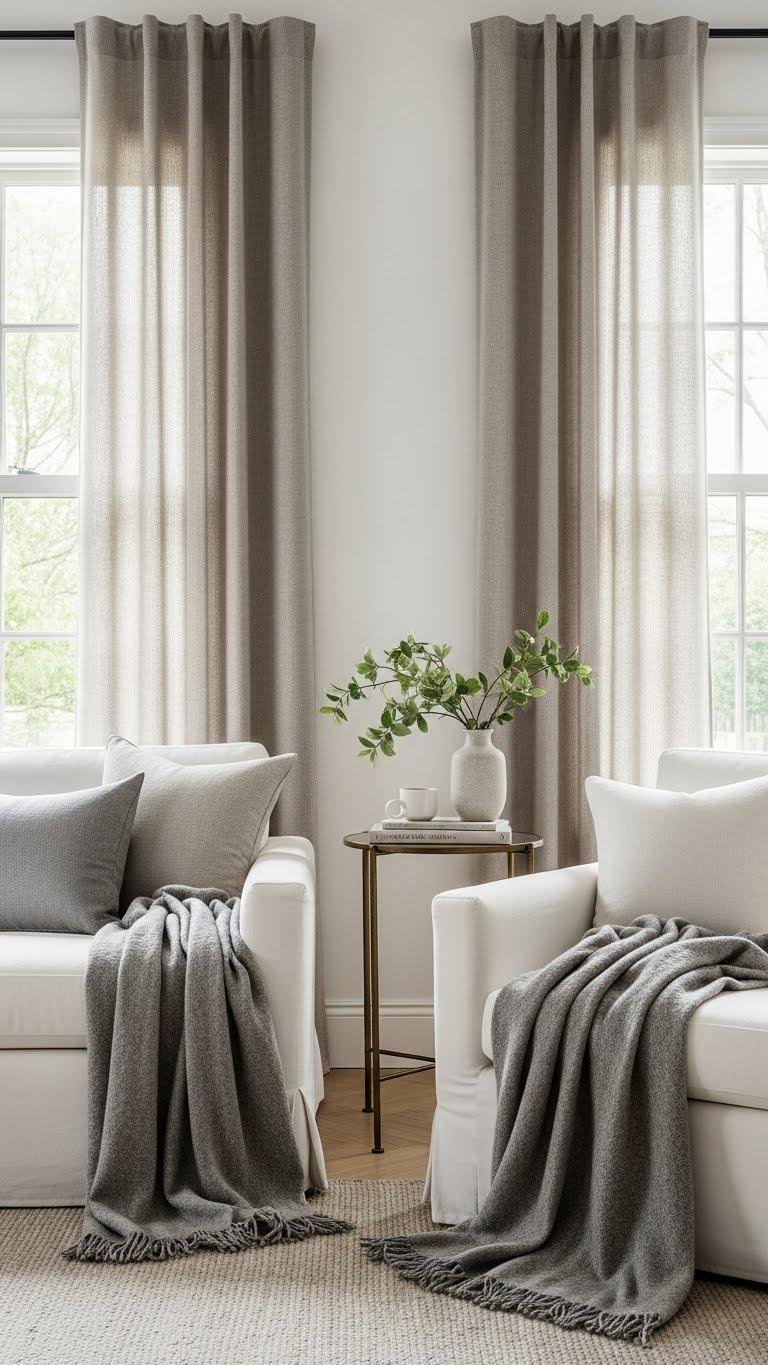
Choose textiles that hold up to daily life while keeping the room visually calm: favor tightly woven linen, long-staple cotton, and densely felted wool for upholstery and throws. You’ll prioritize fabric longevity and weave integrity, choose hypoallergenic fibers where needed, and select dyes with strong fade resistance.
Simple palettes and honest textures let you live freely while relying on lasting, elegant materials.
Avoid Trendy Overstyling in Favor of Timeless Pieces

Paragraphs