
You want a living room that feels bigger and calmer without a major overhaul. Start by using walls, furniture that hides stuff, and smart zones so every item has a home. These 22 hacks are practical, visual, and easy to apply — from floating shelves to ottomans with secret bins — and they’ll free floor space and clear sightlines so your room breathes. Keep going to see which tweaks fit your space.
Maximize Vertical Space With Wall Shelves
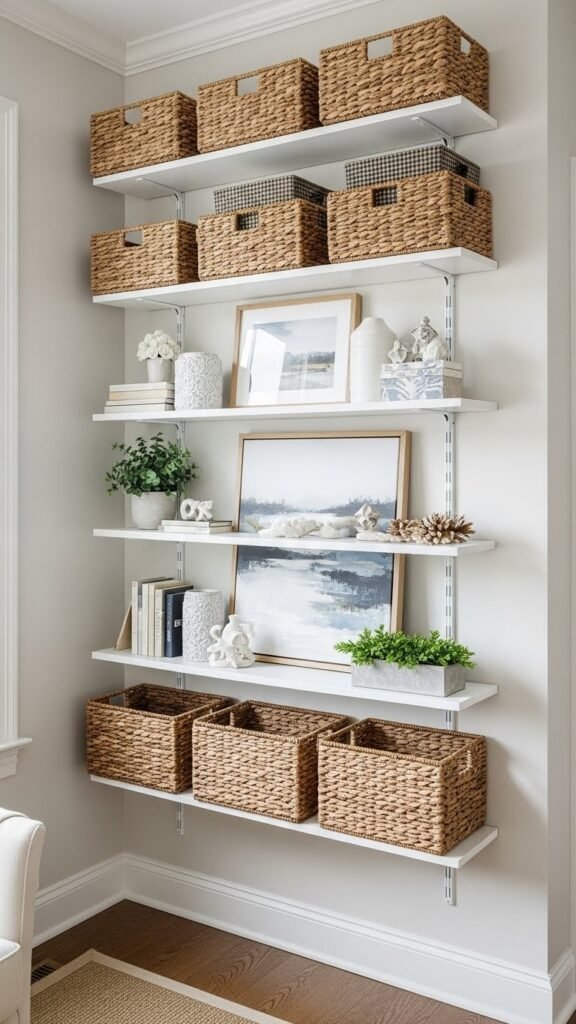
Think up instead of out: fit shelves up the wall to free floor room and make your small living area feel taller. You’ll pick studio shelving that follows vertical lines, stack baskets and art on narrow ledges, and keep pathways open.
Mount floating shelves at eye level, use slim brackets, and rotate items seasonally so your space breathes and you stay unburdened.
Choose Multi‑Functional Furniture

When space is tight, pick pieces that do double duty: a sofa that folds into a guest bed, an ottoman with hidden storage, or a coffee table that raises into a dining surface.
Choose convertible ottomans for stash and extra seating, and nesting tables you can tuck away.
Opt for clean lines and lightweight materials so your layout stays flexible and uncluttered.
Use Low‑Profile Pieces to Open Sightlines

You can keep the room feeling roomy after choosing multi‑functional pieces by favoring low‑profile furniture that keeps sightlines open.
Pick sofas and tables with streamlined silhouettes and low profile lighting to reduce visual weight.
Open legs, slim arms, and shallow depth let your eye travel across the space, so you move freely and the room breathes without feeling crowded.
Install Floating Cabinets for Hidden Storage
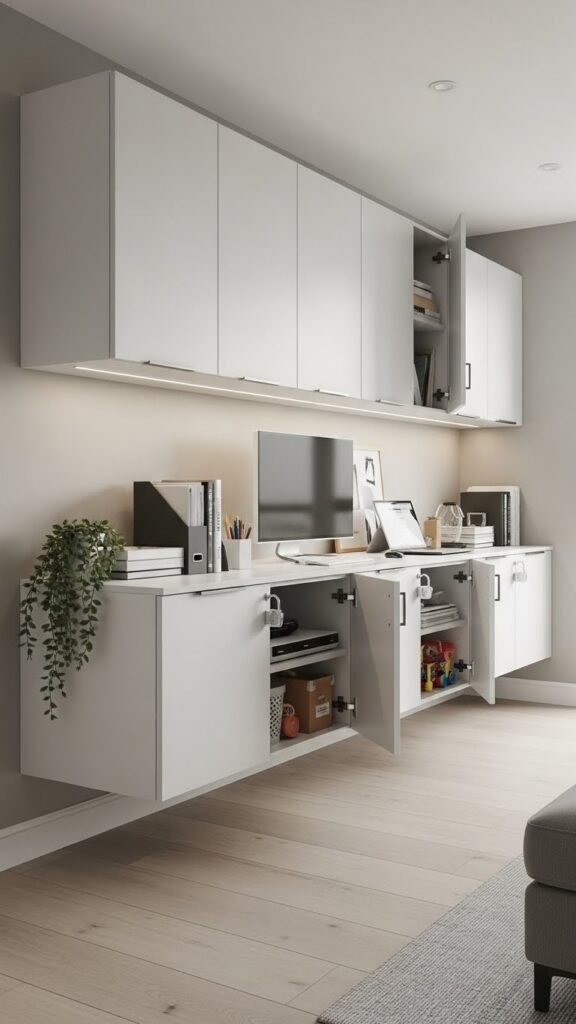
Anchor floating cabinets along a wall to reclaim floor space and keep clutter out of sight. You’ll mount sleek units at waist height, pairing concealed lighting for soft ambiance and easy access.
Stash electronics, paperwork, and toys behind doors with childproof locks so your space stays open and safe. Choose minimal hardware and light finishes to preserve an airy, liberated feel.
Group Similar Items in Decorative Baskets

Baskets corral clutter visually and make everyday items easy to grab, so group like things—blankets, remotes, charging cables, kids’ toys—into matching or complementary containers. You’ll use textile grouping to balance texture and function, and color coordination to unify your space. Label discreetly, tuck baskets under tables or on shelves, and rotate contents seasonally so the room stays calm and free.
Create a Daily Drop Zone for Everyday Items
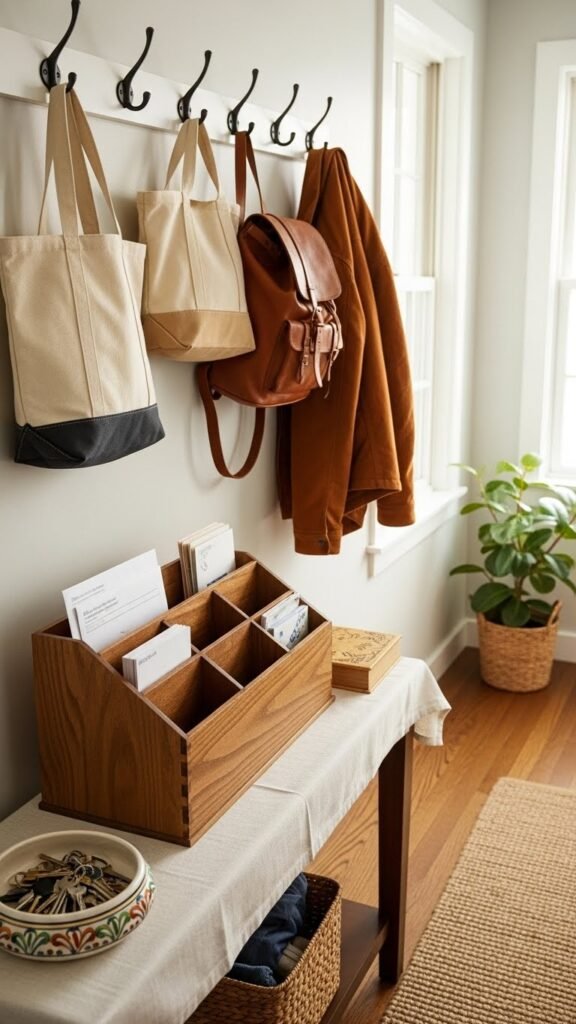
After corralling extras into baskets, set up a small, visible spot where daily items land so they stop wandering.
You’ll place an entry organizer or slim shelf by the door, add a key bowl for loose keys, and reserve hooks for bags and jackets.
You’ll grab, drop, and go—keeping surfaces clear and freeing mental space for the life you want.
Use Velvet Hangers in Adjacent Closets
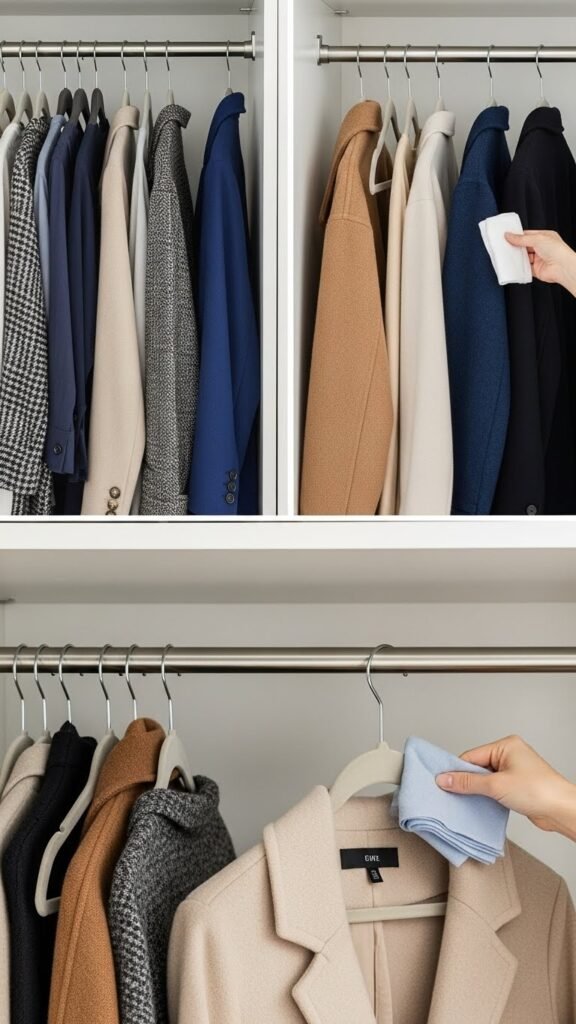
Why not swap mismatched plastic hangers for slim velvet ones in closets next to your living room? You’ll free visual space instantly, streamline silhouettes, and keep garments from slipping.
Mind velvet hanger spacing for airflow and neat lines; leave small gaps between coats.
For longevity, follow simple velvet hanger care—wipe gently and avoid overcrowding—so your adjacent storage stays tidy and liberating.
Add Drawers Beneath Short‑Hanging Clothes

Employ Clear Containers for Quick Visibility
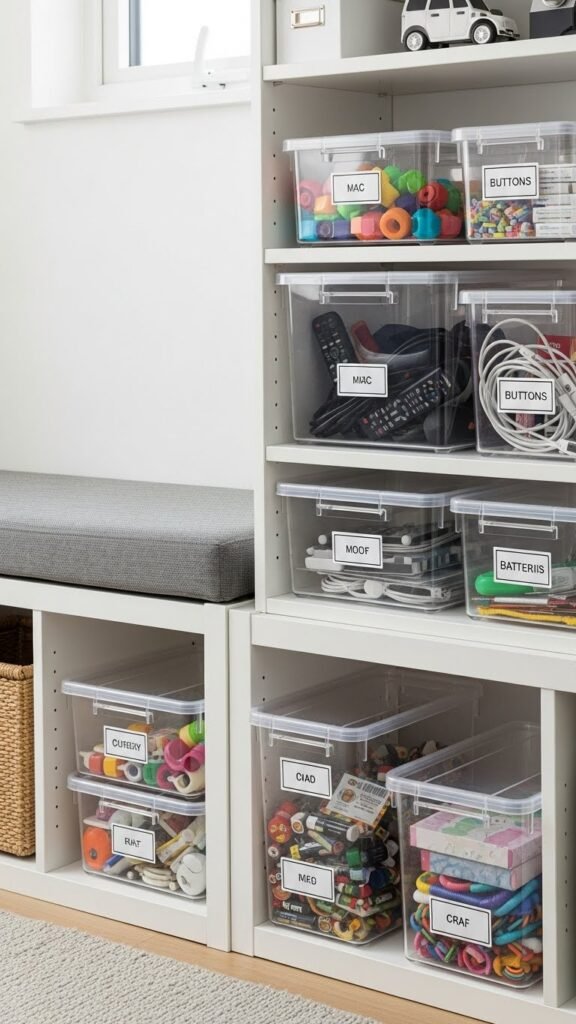
Swap opaque bins for clear containers so you can spot what you need at a glance without rifling through boxes.
Use see through bins on shelves and under benches to keep toys, remotes, and cables visible and tidy.
Label transparent jars for small items—buttons, batteries, craft bits—so you grab freedom-fast.
Clear containers cut decision time and keep your small living room calm and mobile.
Rotate Seasonal Items to Offsite Storage
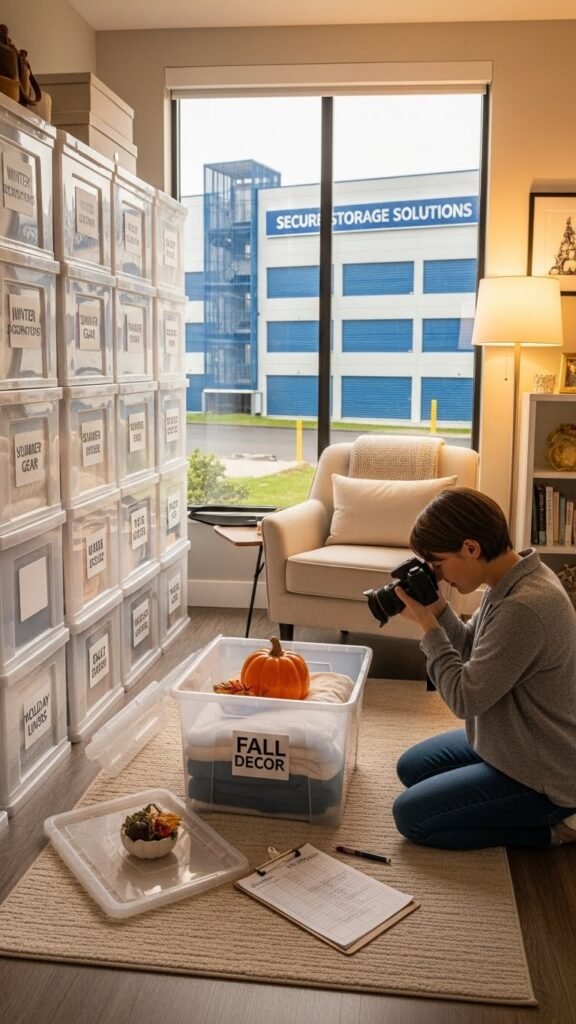
When a season ends, box up bulky items you won’t need and move them to offsite storage to free floor and closet space at home. Label boxes, photograph contents, and keep a simple seasonal cataloging list so you can retrieve what you want fast.
Use offsite rotation to cycle items monthly or quarterly, reclaiming room, calm, and the freedom to breathe in your small living space.
Limit Surface Clutter With Tray Organizers
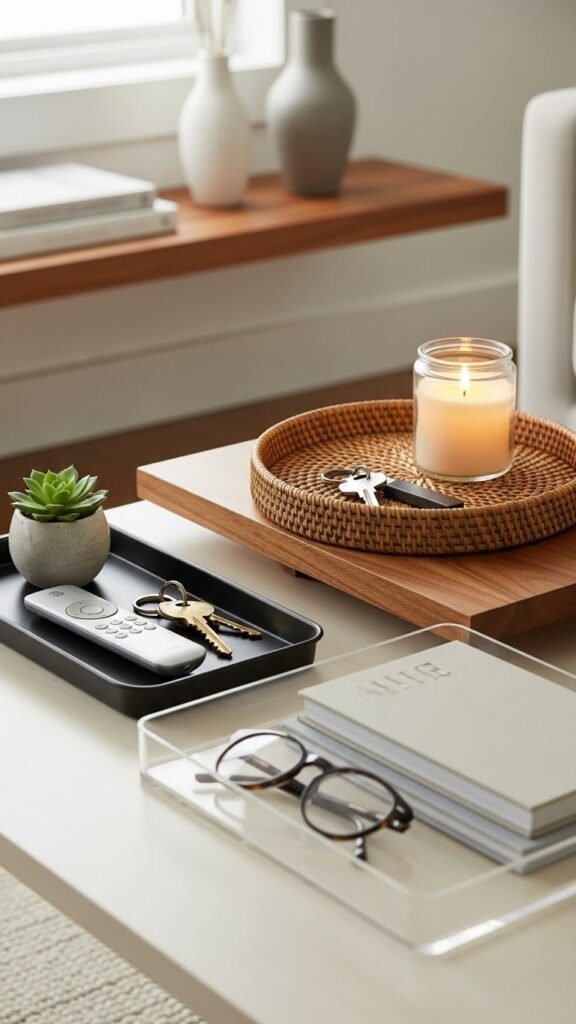
Once offsite storage has cleared your closets and floors, keep surfaces looking calm by corralling everyday items on shallow trays.
You’ll control visual chaos with purposeful tray placement—group remotes, keys, and a candle. Choose material choices that match your vibe: matte metal for minimalism, rattan for warmth, or acrylic for transparency. Swap contents nightly to keep freedom and order.
Utilize Narrow Console Tables Behind Sofas

Tuck a narrow console table behind your sofa to add storage and style without eating floor space. You’ll define flow like a narrow entryway, create a staging spot for keys or plants, and keep surfaces tidy.
Choose slim lighting and shallow baskets to maintain openness. Use the table as a display plane and quick-drop zone so your living room stays uncluttered and free.
Mount Media and Cables to Keep Floors Clear
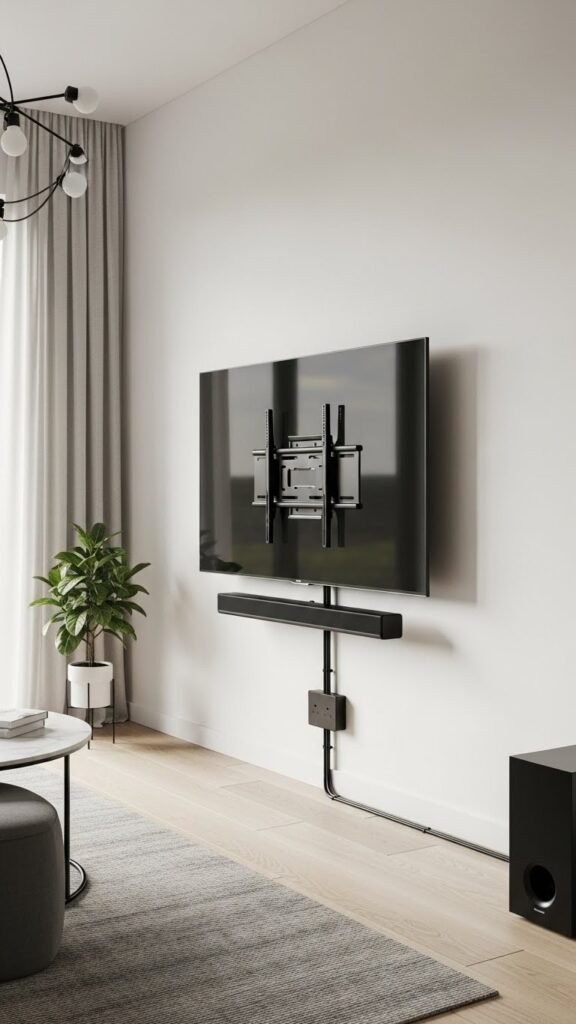
Mount your TV and conceal cords to instantly free up floor space and make the room feel cleaner and larger. Use invisible mounts to float screens close to the wall, then route wires through slim cable raceways or inside the wall.
Mount streaming boxes and soundbars beneath the screen, secure power strips behind furniture, and keep the floor clear for movement and calm.
Designate a Cozy, Clutter‑Free Reading Nook
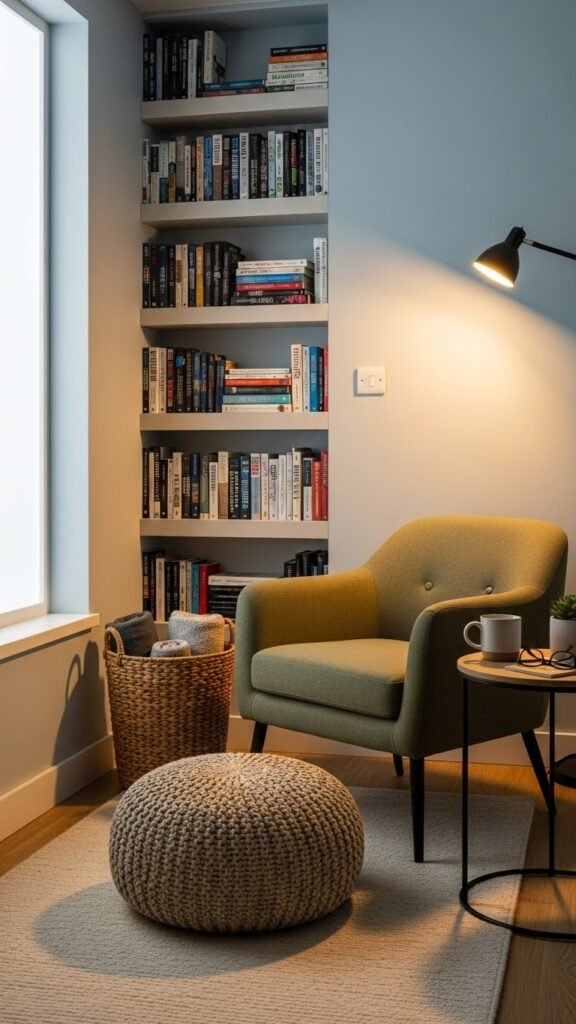
If you want a quiet corner to read, carve out a small, well-lit nook that keeps books and accessories off the floor. Choose a slim wall shelf or vertical crate stack for storage, add ambient lighting on a dimmer, and place a compact armchair with a floor pouf for flexible seating. Keep a single basket for throws and a slim side table for essentials.
Implement a One‑In, One‑Out Rule for Decor

Frequently, the simplest way to keep a small living room feeling spacious is to adopt a one-in, one-out rule for decor: for every new vase, pillow, or framed print you bring in, choose an existing item to remove.
You’ll swap seasonal decor with intention, do a quick sentiment evaluation, and keep surfaces light.
This lets you change style freely without clutter.
Use Stackable Storage for Small Electronics
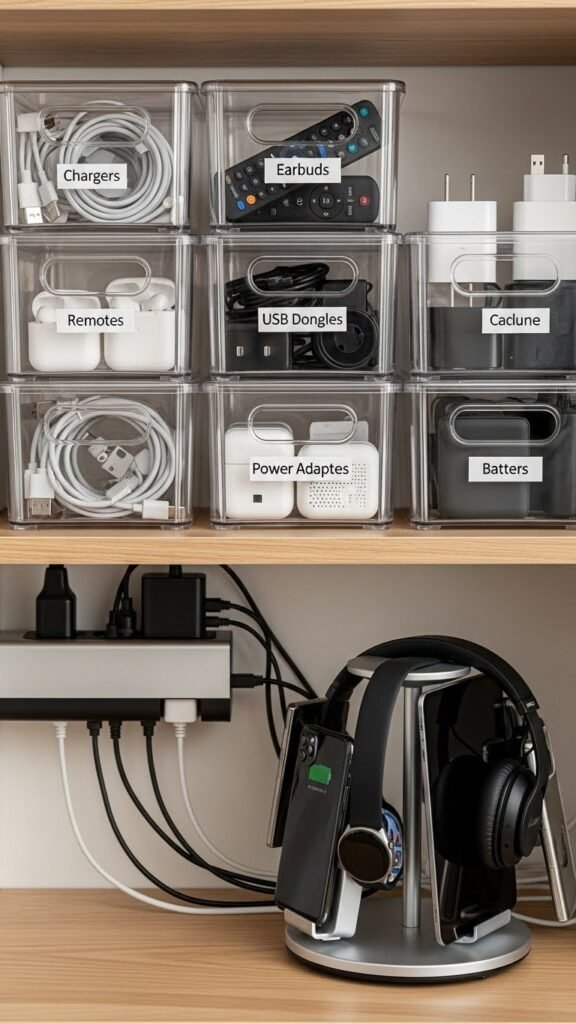
Keeping decor intentional makes it easier to manage the small things that still pile up—chargers, earbuds, remotes, and dongles. Use clear stackable bins to group items by use, label lids, and tuck them on a shelf.
Create a cable corral for power strips and a gadget carousel for daily devices so you can grab what you need and move freely without visual chaos.
Keep a Donation Box Near the Entryway

Tuck a simple donation box by the entryway so you can drop unworn clothes, extra pillows, or random kitchenware as you come and go. Choose an entryway basket that looks good and stays tidy; label it.
When it fills, schedule curbside pickup or drop items at a charity. This habit frees visual space, trims decision fatigue, and keeps your living room breathing room.
Sort and Limit Socks and Linens by Drawer
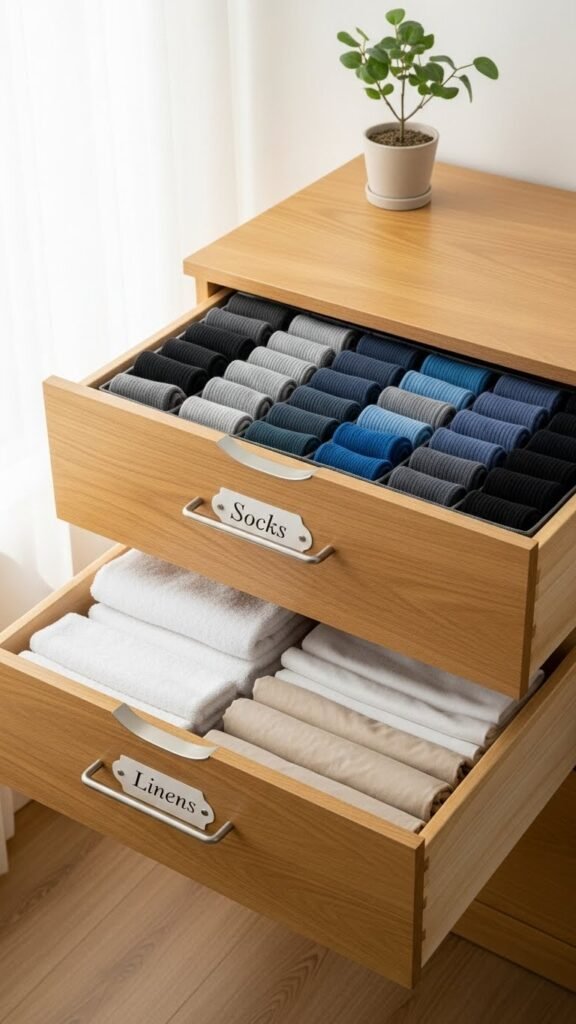
Start by allocating one drawer for socks and another for linens so you always know where things live. Use drawer dividers to create neat zones, fold vertically for visibility, and limit each compartment to essentials.
Schedule a linen rotation so older towels get replaced and donated. You’ll keep surfaces clear, move freely, and enjoy a small space that feels orderly and liberating.
Use Hooks and Pegboards for Small Items

Bring order to small stuff with a wall-mounted system: hooks and pegboards keep keys, bags, hats, chargers, and tools off surfaces and easy to find.
You’ll create clear zones with a vertical pegboard and magnetic hooks for metal items. Hang baskets for remotes, clip cords, and swap layouts as needs change.
It frees floor space and simplifies daily comings and goings.
Choose Furnishings With Built‑In Storage
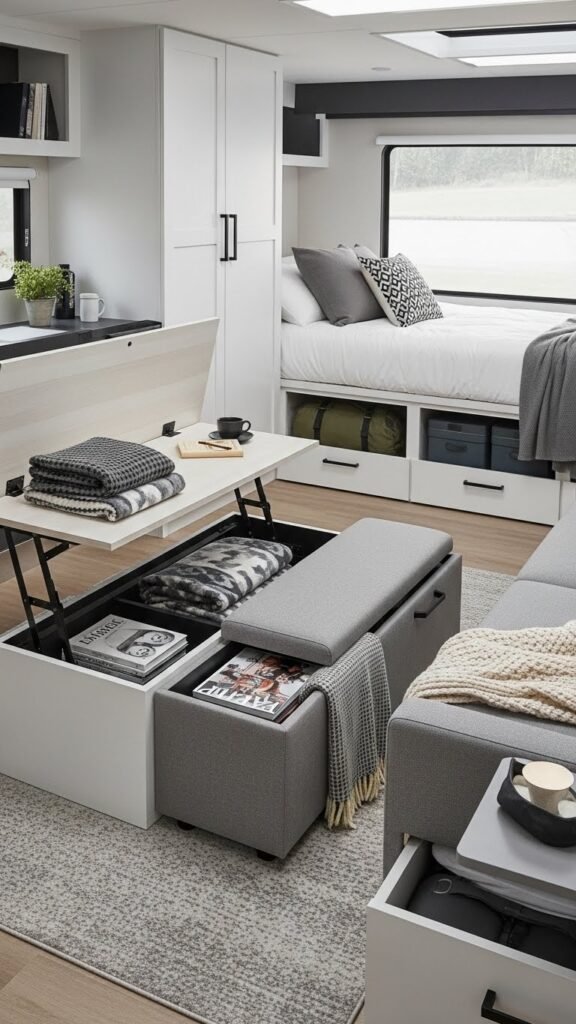
Choose sofas, ottomans, and tables that hide storage so every piece pulls double duty: a lift-top coffee table for blankets, an ottoman with internal space for magazines and throws, or a sofa with built-in drawers for linens and off-season items.
Pick a hidden ottoman for extra seating and stash, use under bed drawers for bulky gear, and keep surfaces clear to feel free.