
You’ll get more from every square foot when you pair smart storage with streamlined style. Think multiuse furniture, built-ins that climb the wall, and pieces that disappear when you don’t need them. Subtle tricks — vertical lines, reflective surfaces, foldaway seating — expand sightlines and keep clutter hidden. I’ll walk you through practical strategies that make small spaces feel organized, airy, and deliberately styled, and show where to invest versus improvise.
Maximise Function With Multi-Purpose Furniture
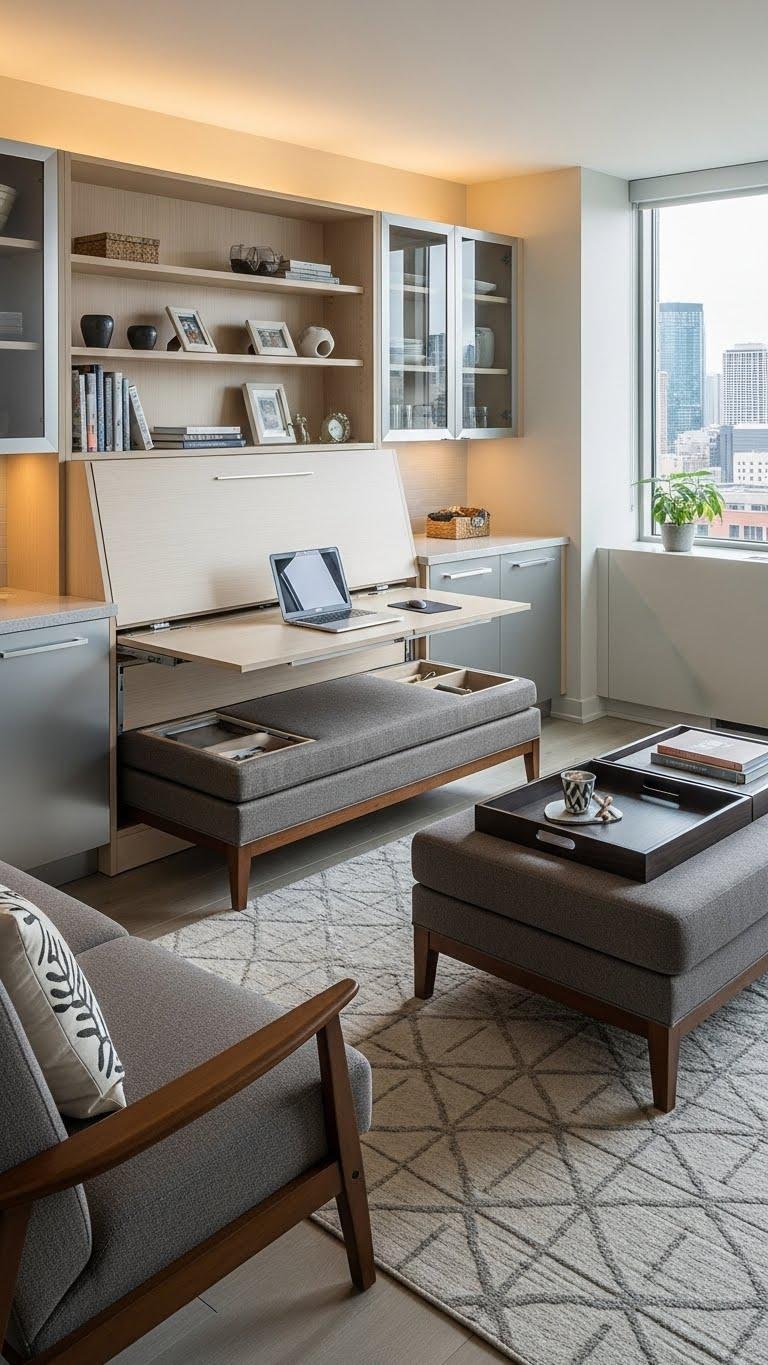
Think strategically about every piece you bring into a small space: choose furniture that performs multiple roles so each item earns its footprint.
You’ll favor convertible desks that fold away, seating with hidden compartments for gear, and ottomans that double as tables.
Prioritize clean lines, durable materials, and clever engineering so your home feels expansive, liberated, and rigorously organized.
Choose Modular Pieces for Flexible Living
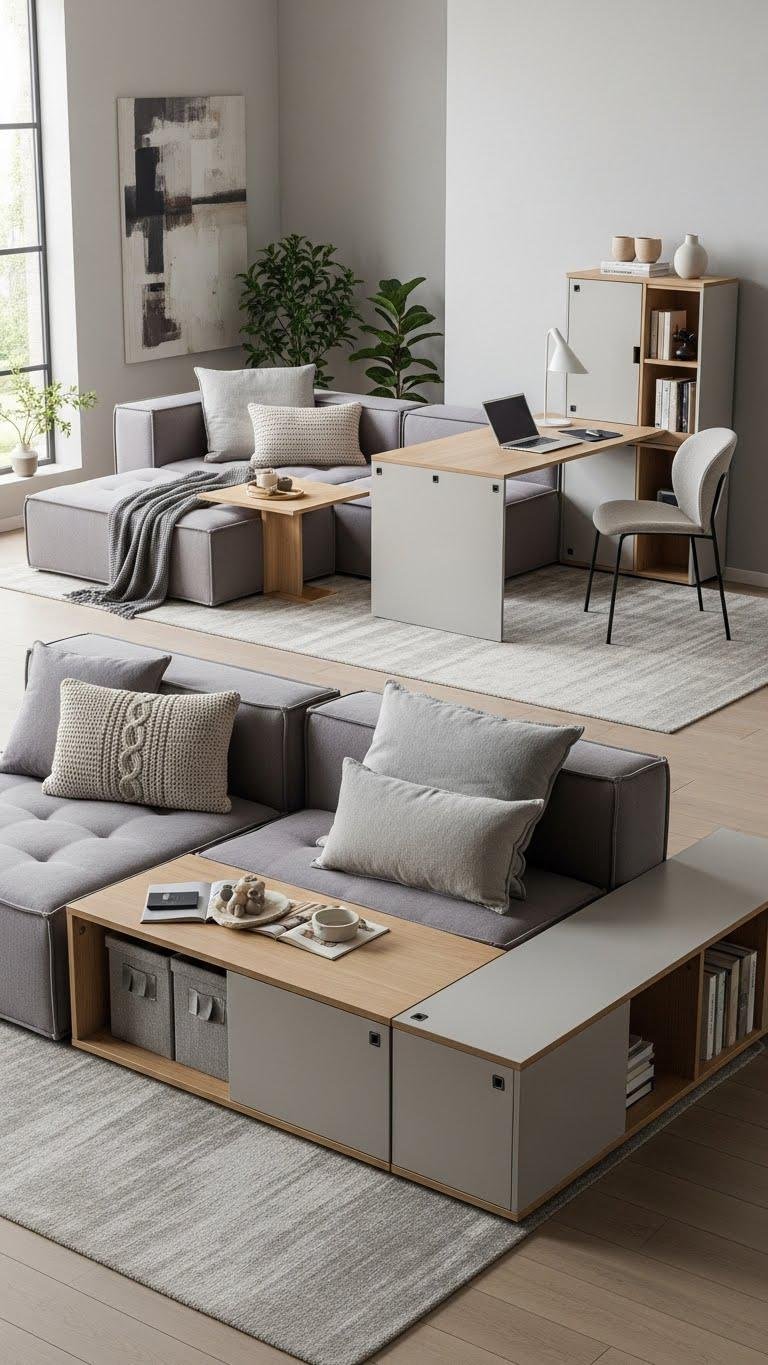
Embrace modular furniture to make your layout as adaptable as your life—sections you can rearrange, add to, or pare back let a room shift roles from cozy lounge to work zone in minutes.
You’ll choose pieces that prioritize space modularity, easy connectors, hidden storage and proportional scale.
With adaptable layouts, you gain freedom: swap modules, redefine flow, and respond to changing needs without compromise.
Invest in Built-In Carpentry for Seamless Storage
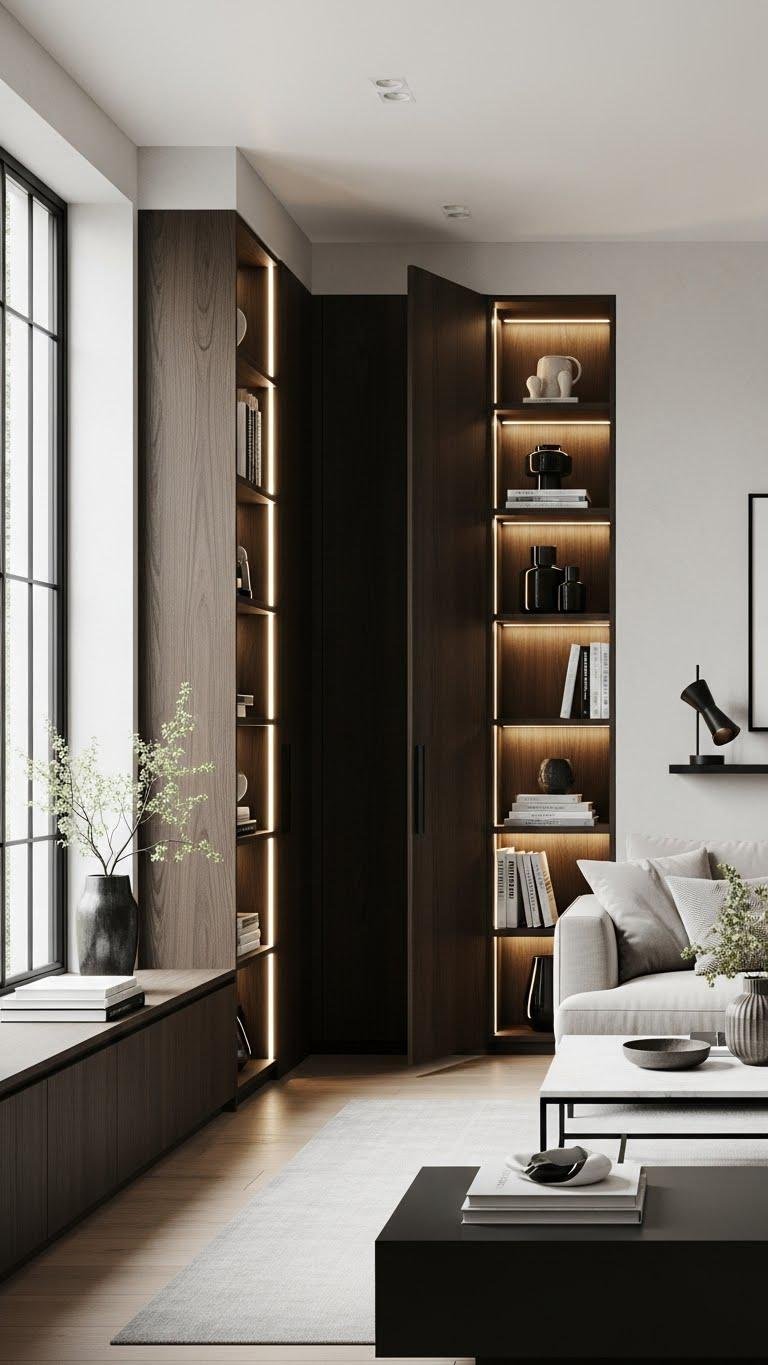
When space is at a premium, built-in carpentry transforms awkward gaps and unused walls into purposeful storage that feels custom-made for your life.
You’ll gain clean lines and tailored function with hidden cabinetry, recessed shelving, and integrated lighting. Choose durable materials and smart hardware so every inch works for you, freeing movement and visual calm while keeping clutter out of sight and under control.
Use Floating Furniture to Improve Flow
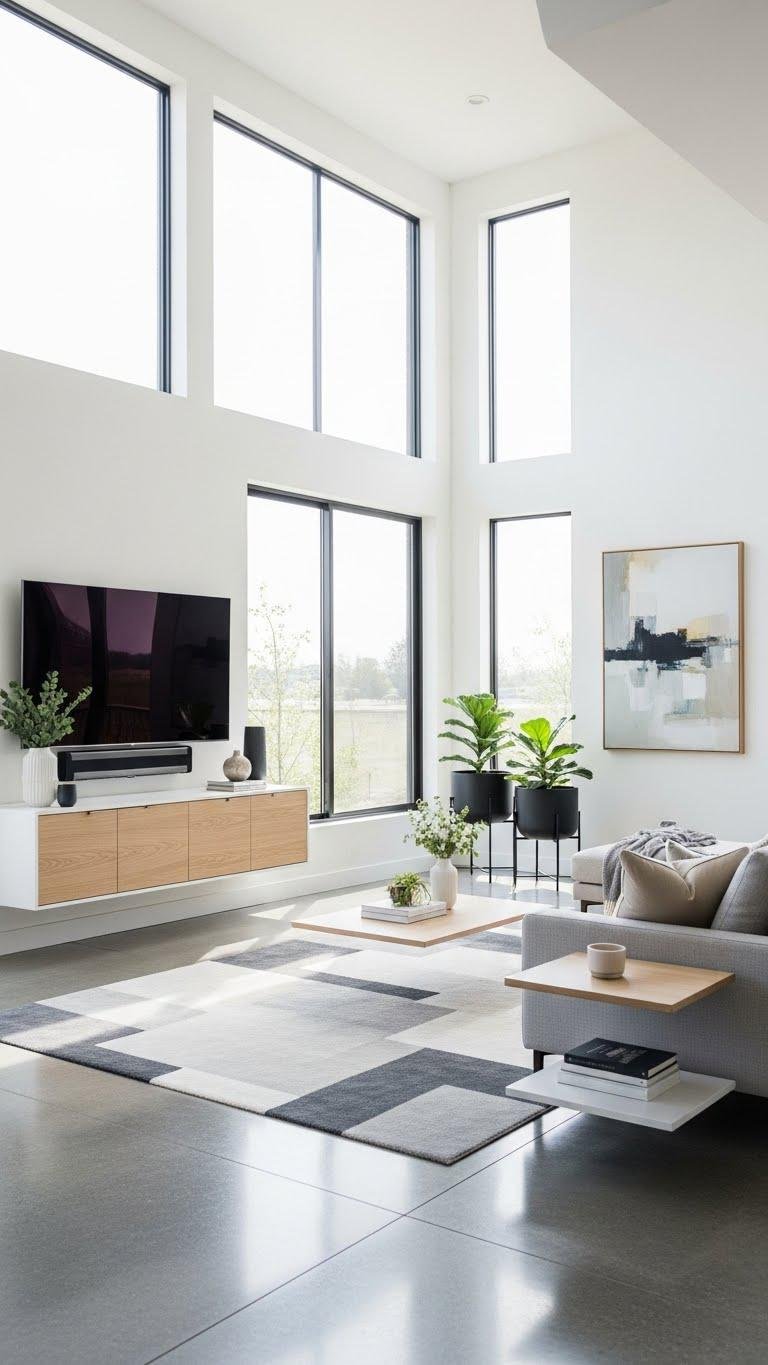
Alongside built-ins that anchor storage to the walls, floating furniture keeps the center of the room open so you can move freely and let light travel unimpeded.
Choose wall mounted credenzas for streamlined media and levitating bedside tables to free floor space. You’ll gain visual breathing room, flexible circulation paths, and a curated, airy aesthetic that supports spontaneous living and effortless flow.
Select Visually Light Furnishings
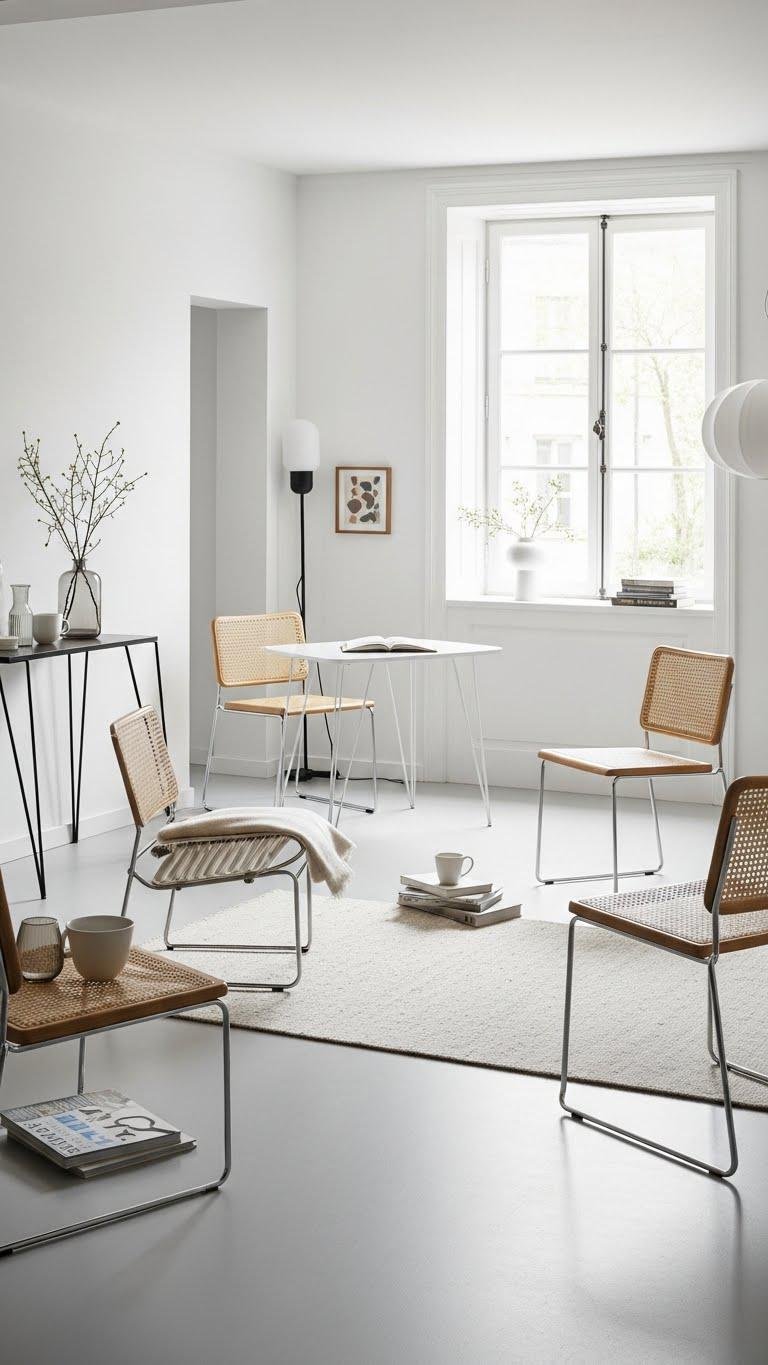
Pick furniture that looks like it breathes—slim silhouettes, open legs, and translucent materials keep pieces from visually weighing down a room so your small space feels larger and more intentional.
Choose lightweight silhouettes and airy materials—rattan, lucite, slim metal frames—to maintain openness. You’ll prioritize freedom of movement, easy rearrangement, and a calm, uncluttered aesthetic that maximizes both function and style.
Go Vertical With Floor-To-Ceiling Shelving

Floor-to-ceiling shelving instantly multiplies your storage without stealing floor space, so you can keep essentials organized and surfaces clear.
You’ll maximize wall height with mixed open shelves and closed cabinets, integrating vertical gardens for greenery and mood.
Use slim profiles, adjustable tracks and ceiling ladders for access.
This approach frees your floor plan, creates visual lift, and lets you curate a purposeful, airy home.
Turn Chimney Breasts Into Custom Storage
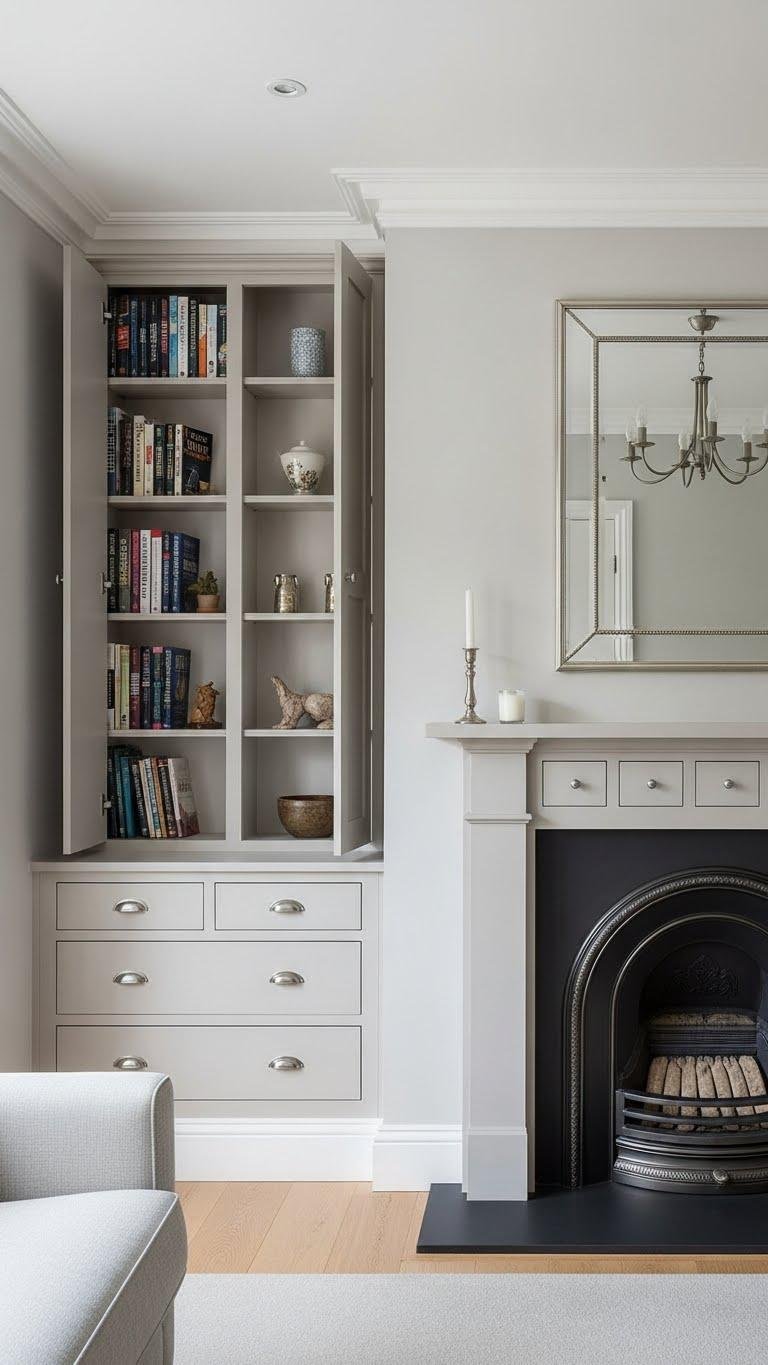
Reimagine that bulky chimney breast as a tailored storage feature that adds both function and finesse to your room. You’ll carve hidden alcoves for books and gear, design bespoke shelving to match proportions, and use mantel repurposing to create display ledges or concealed drawers.
Keep lines clean, hardware minimal, and finishes light so the space feels liberated, efficient, and unmistakably stylish.
Fit Over-Door Organisers for Hidden Space
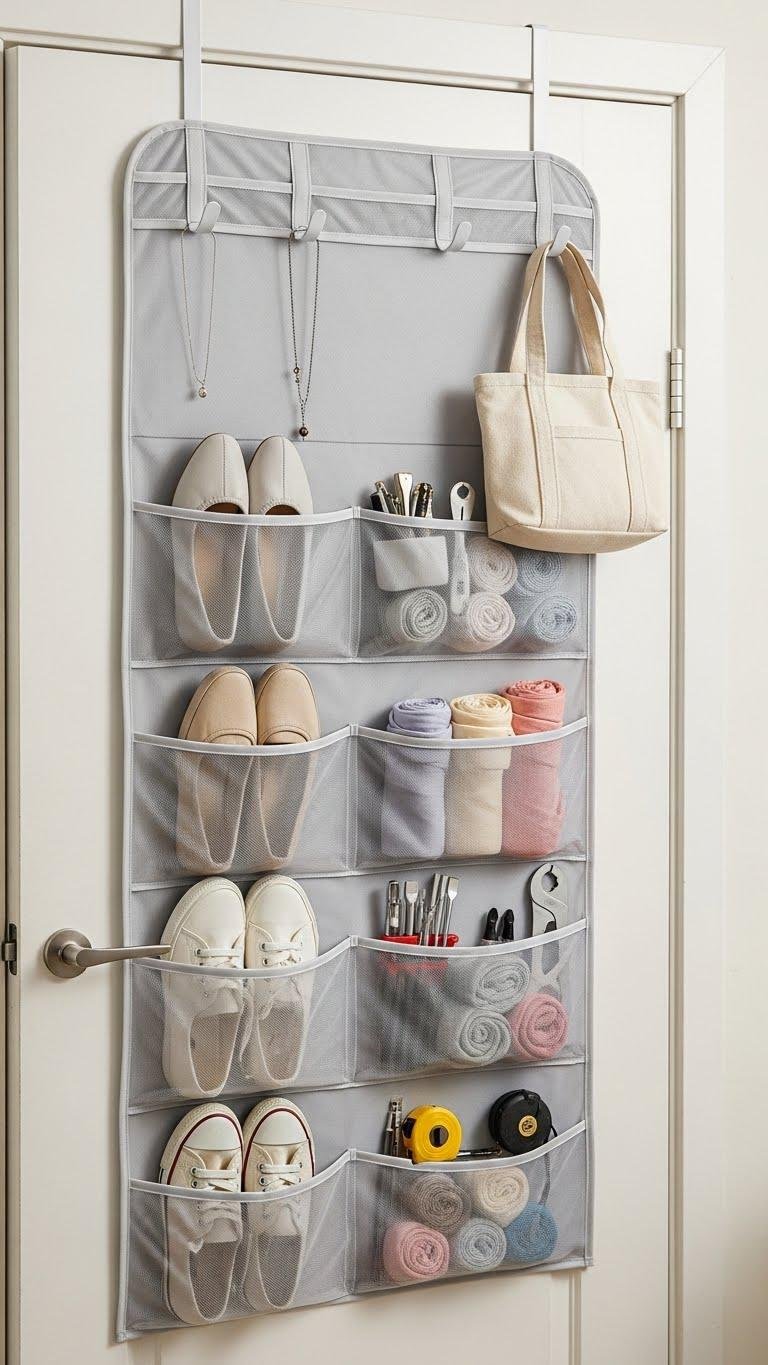
Hinging on simplicity and smart use of underutilised spaces, over-door organisers give you immediate, high-impact storage without remodeling.
You’ll maximize hidden nooks with slim over door pockets for shoes, scarves and small tools, and attach removable fabric hooks for versatile hanging.
Choose breathable materials, low-profile hardware and balanced layouts so your door stays free-flowing, tidy and aligned with a liberated, curated lifestyle.
Stagger Cupboard Depths to Add Interest

When you vary cupboard depths across a run of cabinetry, you create visual rhythm and practical zones without adding clutter. Staggered depths let you lean into angled cabinetry to soften sightlines and define tasks—shallow fronts for display, deeper units for storage.
You’ll gain layered depths that read intentional, free your layout, and make movement effortless while keeping the space calm and tailored to your life.
Emphasise Vertical Lines to Lift the Room

If you want a small room to feel taller and more composed, emphasize vertical lines through cabinetry, trim, and lighting to draw the eye upward. You’ll choose tall wallpaper patterns, narrow muntins, and floor-to-ceiling shelves.
Pair that with vertical lighting—slim sconces or pendant clusters—to stretch sightlines. These choices free the space, creating airy proportion without sacrificing function or style.
Place Mirrors to Double Natural Light
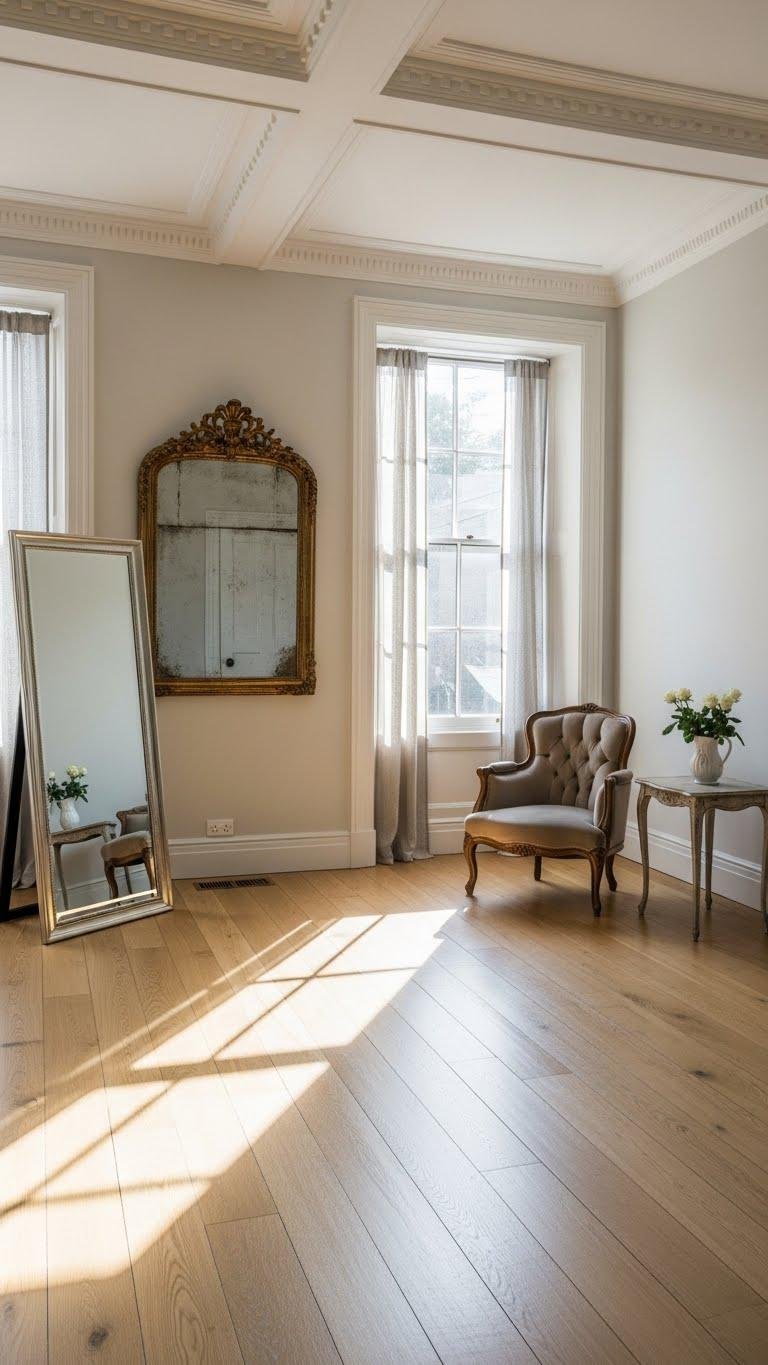
You’ve lifted the room by drawing the eye up; now use mirrors to push light back into those newly emphasized heights. Choose an antique mirror for character, hang it opposite windows, and experiment with angled placement to catch sunbeams and reflect them across the room.
Lean larger panes to keep installation minimal, freeing floor space while amplifying daylight and your sense of openness.
Paint Ceilings to Blend With Walls

Although ceilings often get treated as an afterthought, painting them the same color as your walls visually lifts and unifies a small room, making corners recede and height feel continuous.
You’ll create colour continuity that simplifies sightlines, tuck trim subtly, and choose a finish that reflects light without glare.
Seamless ceilings make the space feel freer, cohesive, and deliberately spacious without clutter.
Colour-Drench for Cohesive Spaciousness
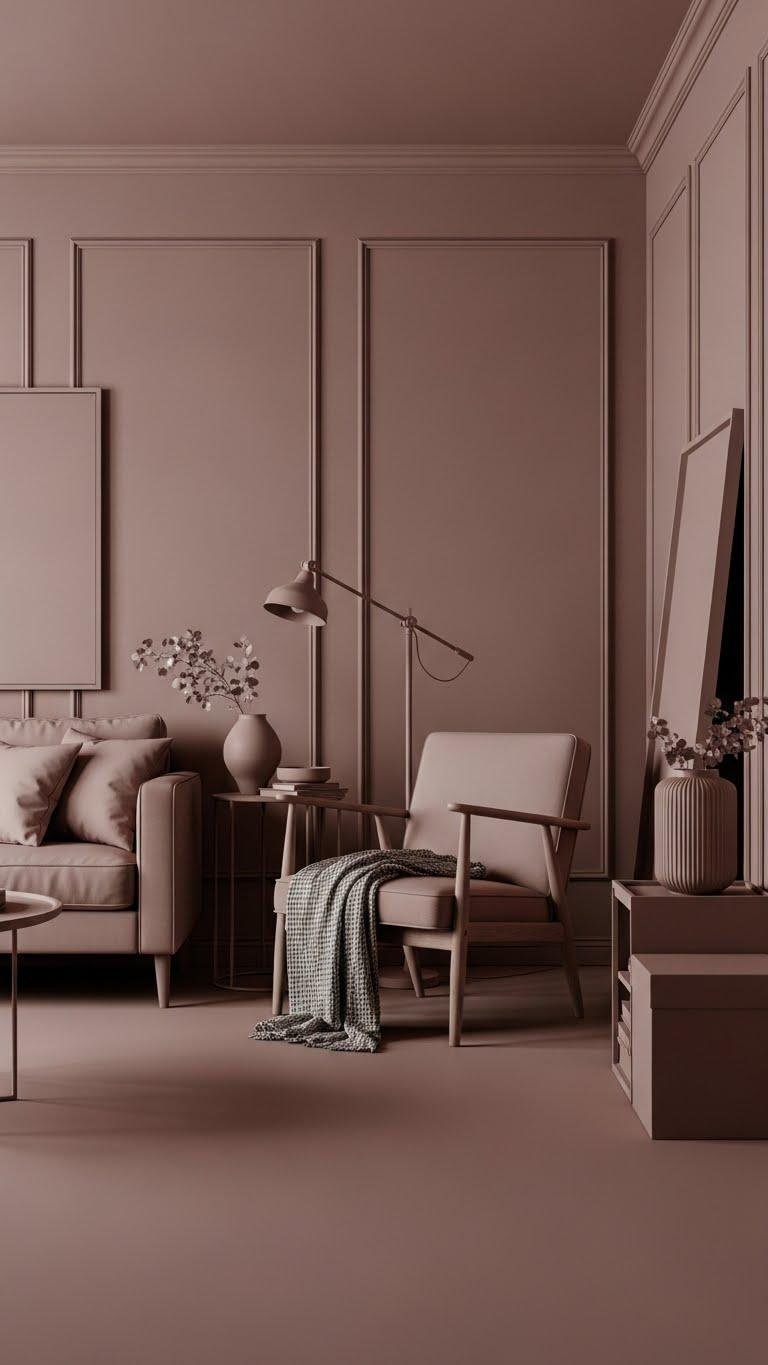
When you drench a small room in a single hue—from floor to ceiling and even onto trim and furnishings—you create an enveloping, cohesive space that feels larger because there are no abrupt visual breaks to chop up the room.
Embrace monochrome layering to vary tone and matte versus gloss, then introduce accent texture—like a woven throw or metal lamp—to add freedom, depth, and tactile interest without fragmenting sightlines.
Use Small-Scale Patterns to Open Up Walls
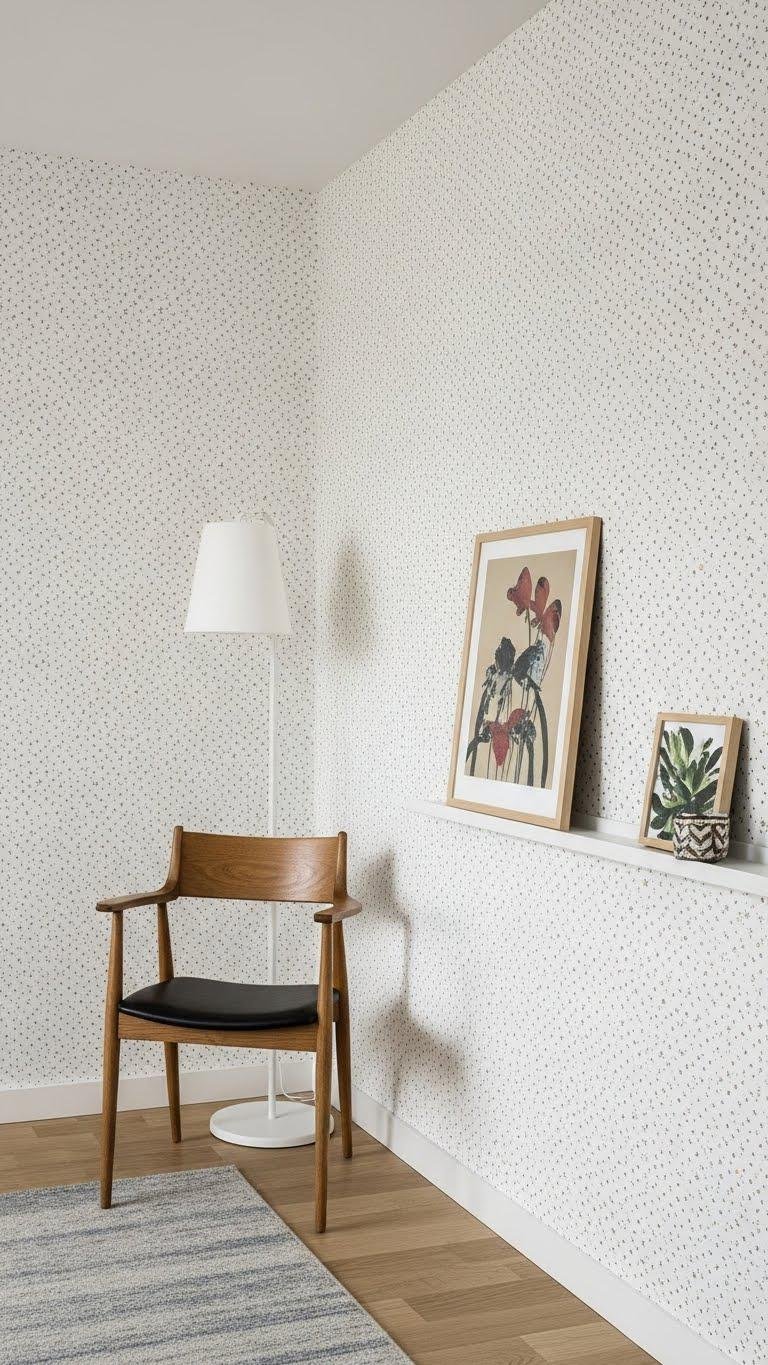
Patterned scale matters: small-scale repeats—think tiny ditsy florals, narrow pin-dots, or fine herringbone—read as texture from across the room and prevent walls from overpowering a compact space.
You’ll favor miniature motifs and scaled plaids to add visual interest without clutter. Choose restrained color contrast, align pattern direction with sightlines, and let subtle repetition amplify openness while keeping your freedom to rearrange.
Zone With Colour Blocking to Create Depth
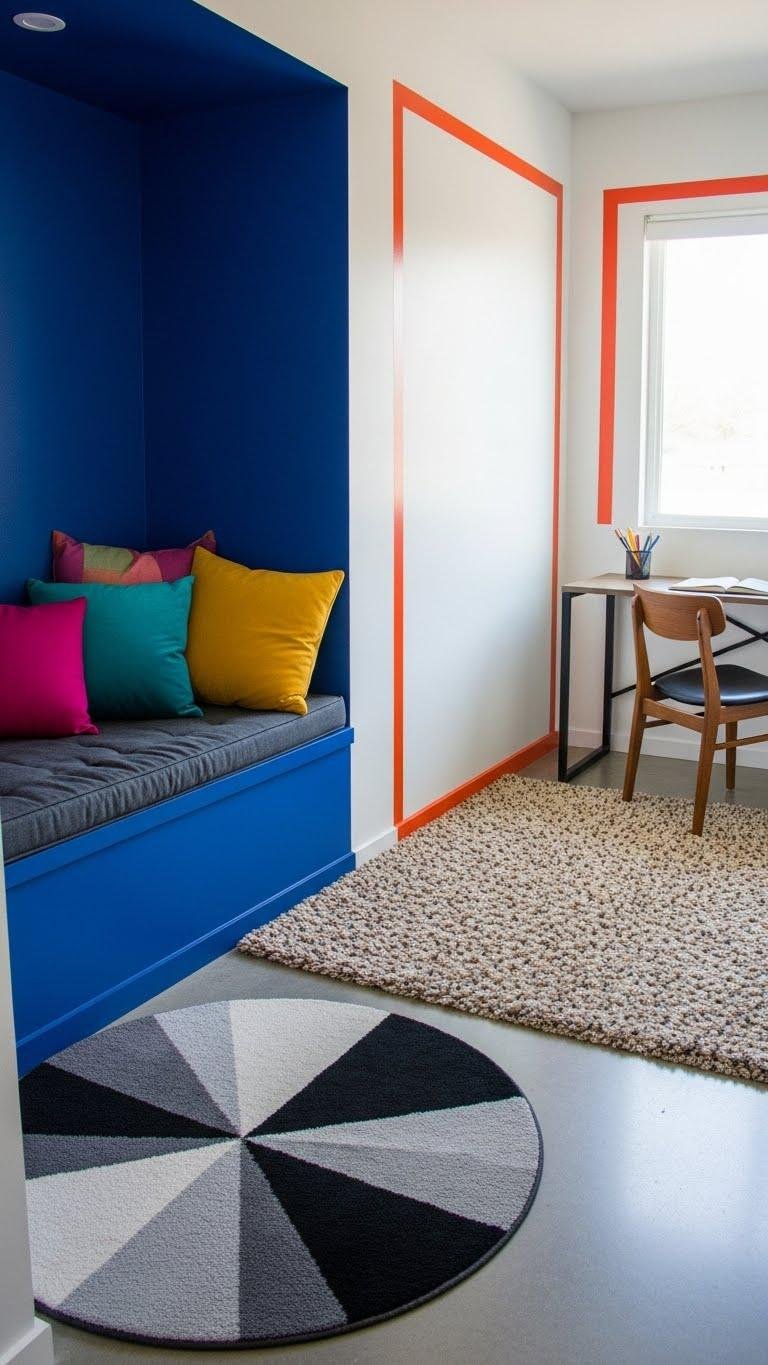
By blocking colour thoughtfully, you can carve out distinct zones in a small room without adding furniture or fiddly dividers. Use bold colour fields to deepen a seating nook, pair contrast trims to define edges, and anchor each area with accent rugs for texture.
You’ll control flow, highlight function, and keep the space feeling open yet deliberately composed and free.
Maximise Daylight With Strategic Window Treatments

How can you squeeze more natural light into a compact room without sacrificing privacy or style? Choose sheer curtains to diffuse glare while keeping views, and pair them with adjustable solar shades for heat control. Mount treatments close to the ceiling and extend beyond the window to enlarge perceived height.
You’ll maintain privacy, boost daylight, and keep a clean, liberated aesthetic that feels spacious.
Layer Lighting for Heightened Perception
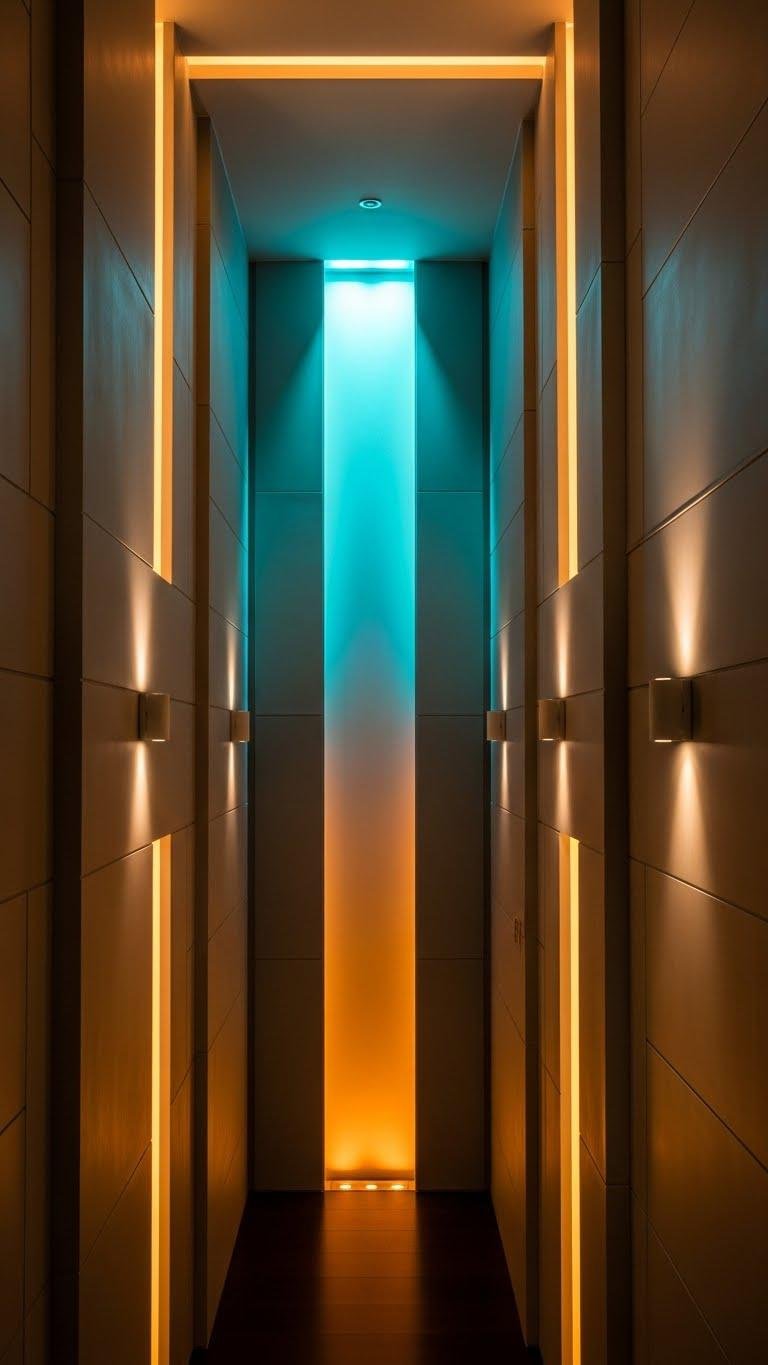
With a few well-chosen fixtures and thoughtful placement, you can layer lighting to make a compact room feel taller and more open.
Use ambient layers—overhead dimmers, wall washers, and targeted sconces—to sculpt vertical planes.
Vary color temperature to create depth: warmer accents below, cooler uplighting above.
You’ll gain visual freedom, control, and a refined sense of spaciousness.
Choose Translucent Fabrics to Maintain Privacy and Light
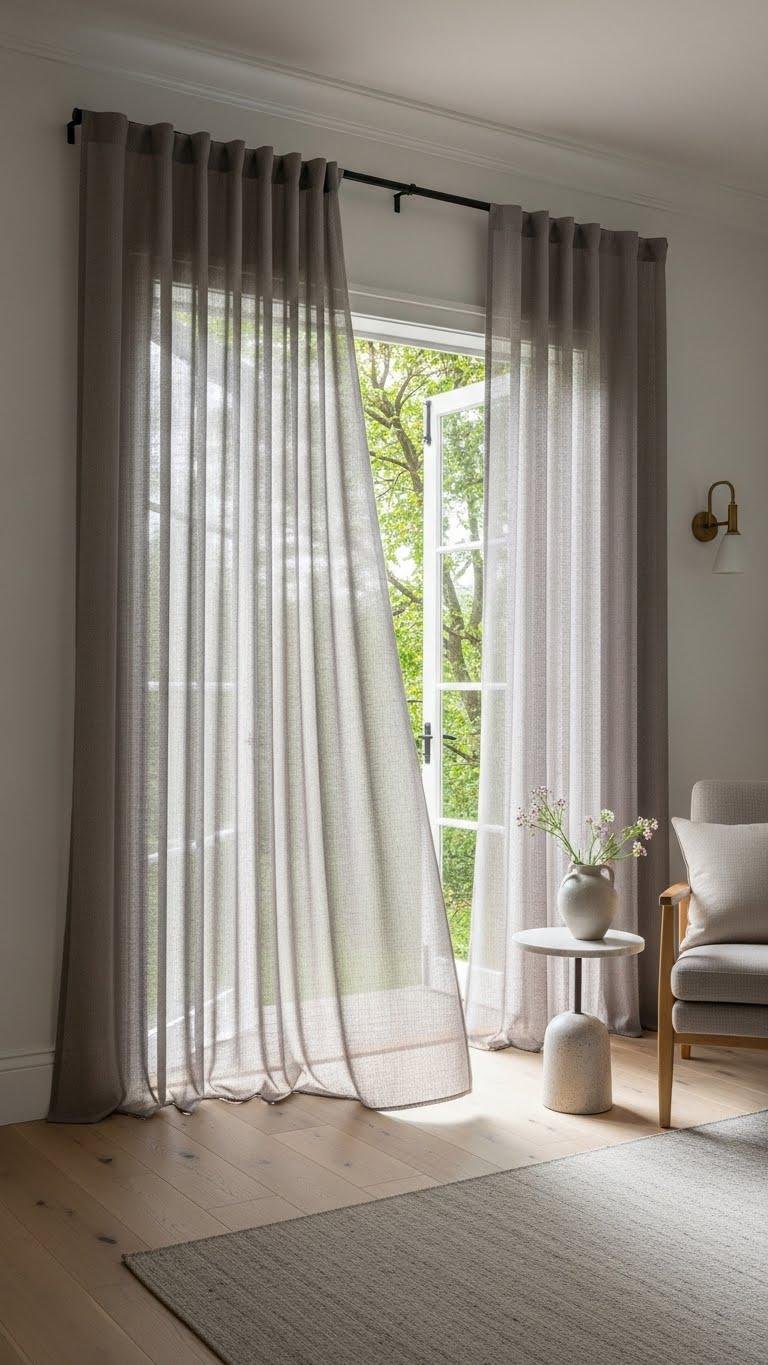
After you’ve layered light to lift a room, the right fabrics keep that effect while protecting your privacy. You’ll opt for translucent panels that provide sheer privacy without closing you in, letting air and views breathe.
Choose linen blends or voile for controlled translucence, adjust lengths for scale, and pair muted colors to preserve diffused brightness while keeping the space open and free.
Introduce Reflective Surfaces for Brightness

Want more light without rearranging windows? Use reflective tiles on a backsplash or slim wall strip to bounce daylight deeper into the room. Pair with metallic accents—brass knobs, chrome frames—to amplify shimmer without clutter.
Choose low-profile, easy-clean finishes and position mirrors opposite light sources. You’ll feel expansiveness and control, enjoying a brighter, freer space without sacrificing style or functionality.
Create Attractive Concealed Storage Spots

If you’re short on square footage but hate cluttered surfaces, hide essentials in clever, stylish pockets that keep the room feeling open.
You’ll maximize flow with under stair drawers for seasonal gear and bench top liftables for daily storage. Choose streamlined faces, soft-close hardware, and breathable liners so concealed spots stay tidy, accessible, and aligned with your free, intentional lifestyle.
Adopt a Regular Decluttering Routine

Regularly carving out short, predictable windows for decluttering keeps small spaces from slipping back into chaos—so schedule 10–20 minute sessions several times a week and treat them like nonnegotiable appointments.
You’ll streamline possessions, set Donation Days for items you no longer love, and use Seasonal Rotation to keep only what serves current needs.
You’ll gain clarity, freedom, and lasting style.
Integrate Modular Storage Pieces for Flexibility

Think modulars of different scales and you’ll transform tight footprints into adaptable, stylish storage: choose stackable cubes, removable shelving, and multipurpose benches that you can reconfigure as needs change.
You’ll combine stackable crates with wall mounted bins, choosing finishes and proportions that free movement and mood. Prioritize durable connectors, labeled zones, and pieces that pivot between utility and display for complete spatial freedom.
Reconfigure Layouts by Borrowing Adjacent Space
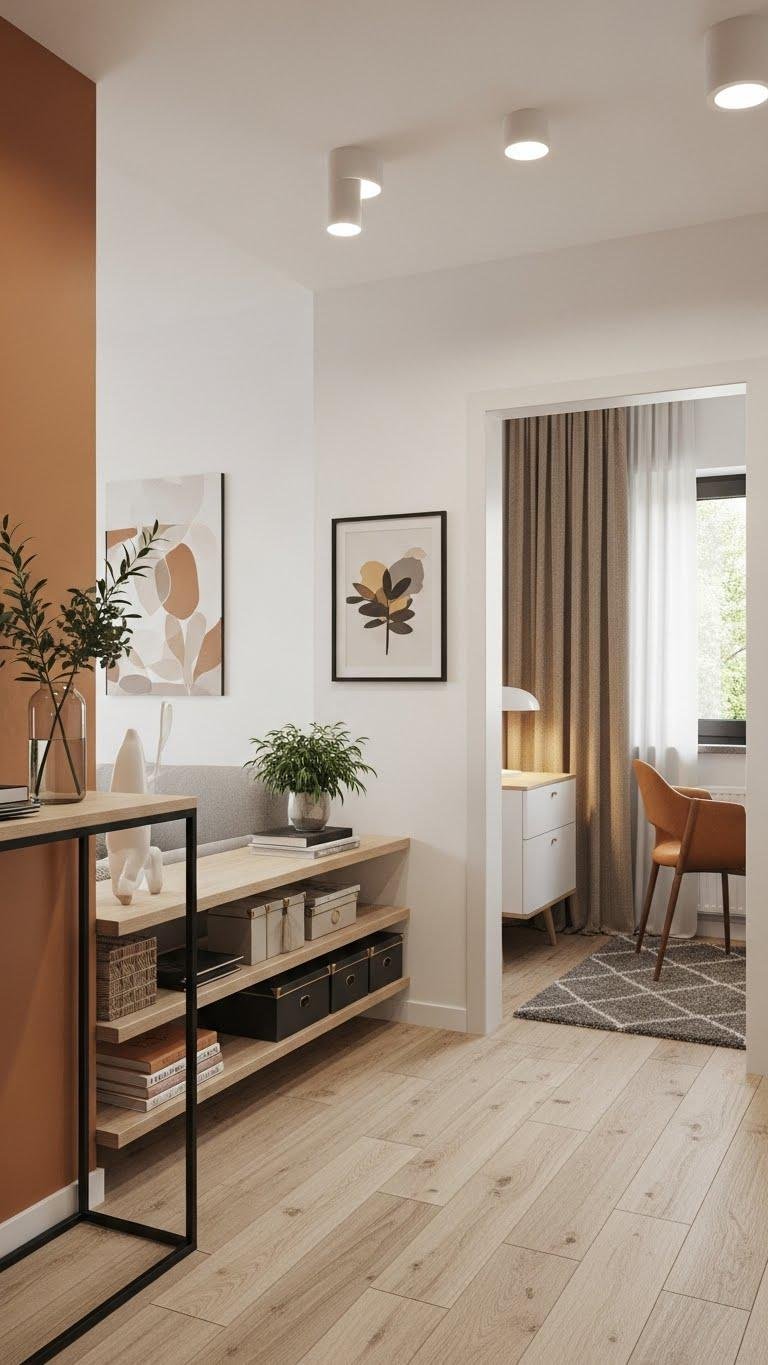
When you need more room without moving walls, borrow adjacent space by redefining how zones connect—shift a hallway’s visual line with a slim console and low shelving to extend your living area, or use a curtain and a rug to fold a spare alcove into a home office.
You’ll exploit borrowed alcoves and subtle threshold widening, choosing multipurpose pieces and clear sightlines for freedom.
Install Sliding Pocket Doors to Save Floor Area

Slide a door into the wall to reclaim every inch of floor space while keeping clean sightlines and a refined look. You’ll choose hardware finishes that match your aesthetic and durable tracks for smooth motion.
Consider soundproofing techniques—sealed edges, acoustic gaskets, denser door cores—so privacy doesn’t sacrifice openness. Install with precise framing and enjoy liberated movement and a minimal, confident interior.
Float Seating Arrangements to Improve Circulation
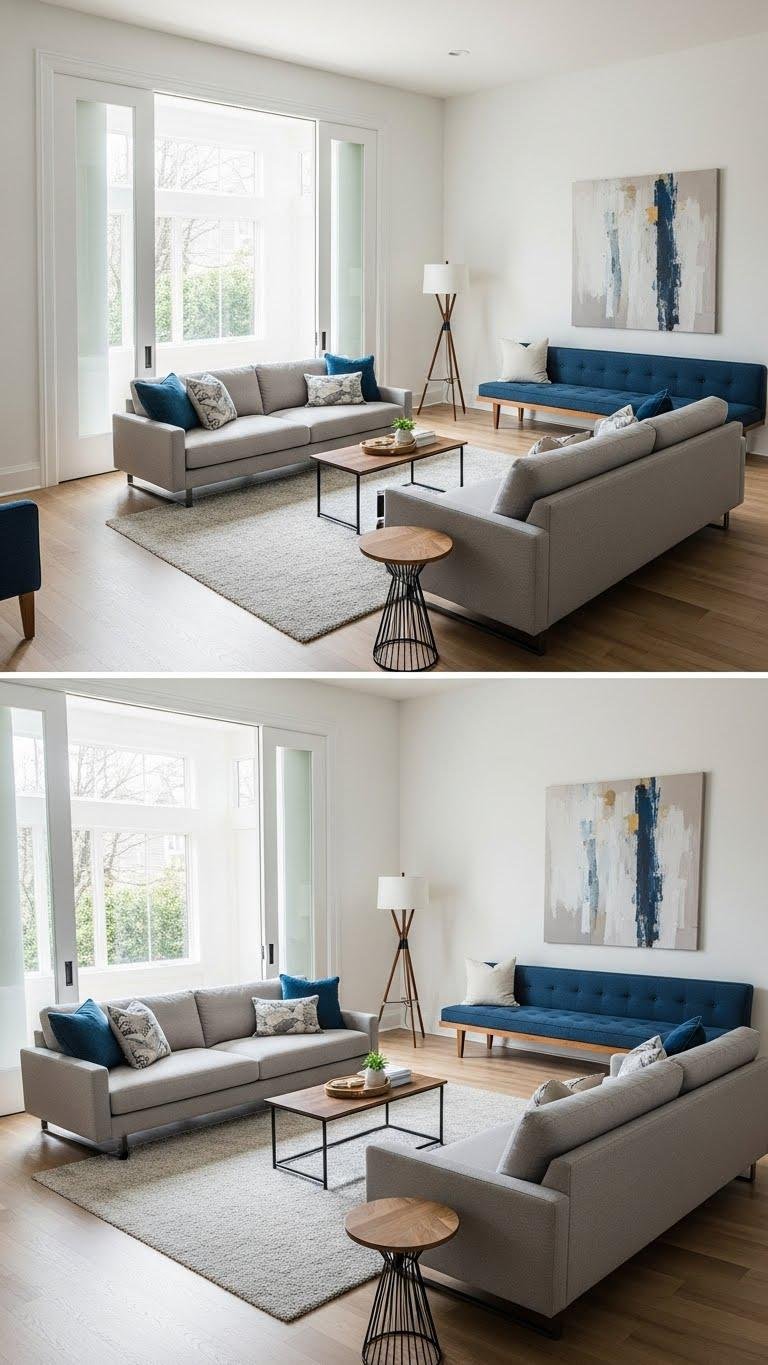
After reclaiming floor area with pocket doors, arrange seating away from walls to keep that newly freed space feeling open and navigable. You’ll create clear circulation paths by angling sofas and placing floating benches to define zones without blocking movement.
Choose low-profile pieces, maintain sightlines, and leave consistent gaps for effortless flow. This approach feels liberated, intentional, and impeccably stylish.
Use Foldable and Movable Furniture for Versatility

Bring in foldable and movable pieces to make your small space work harder without looking cluttered.
You’ll choose a foldaway desk that tucks away when not in use and a wheeled ottoman that shifts as seating, storage or a side table. Opt for slim profiles, locking casters, and durable finishes so you can rearrange freely, stylishly, and confidently to suit changing needs.
Plan Daily Use to Prioritise Essential Items
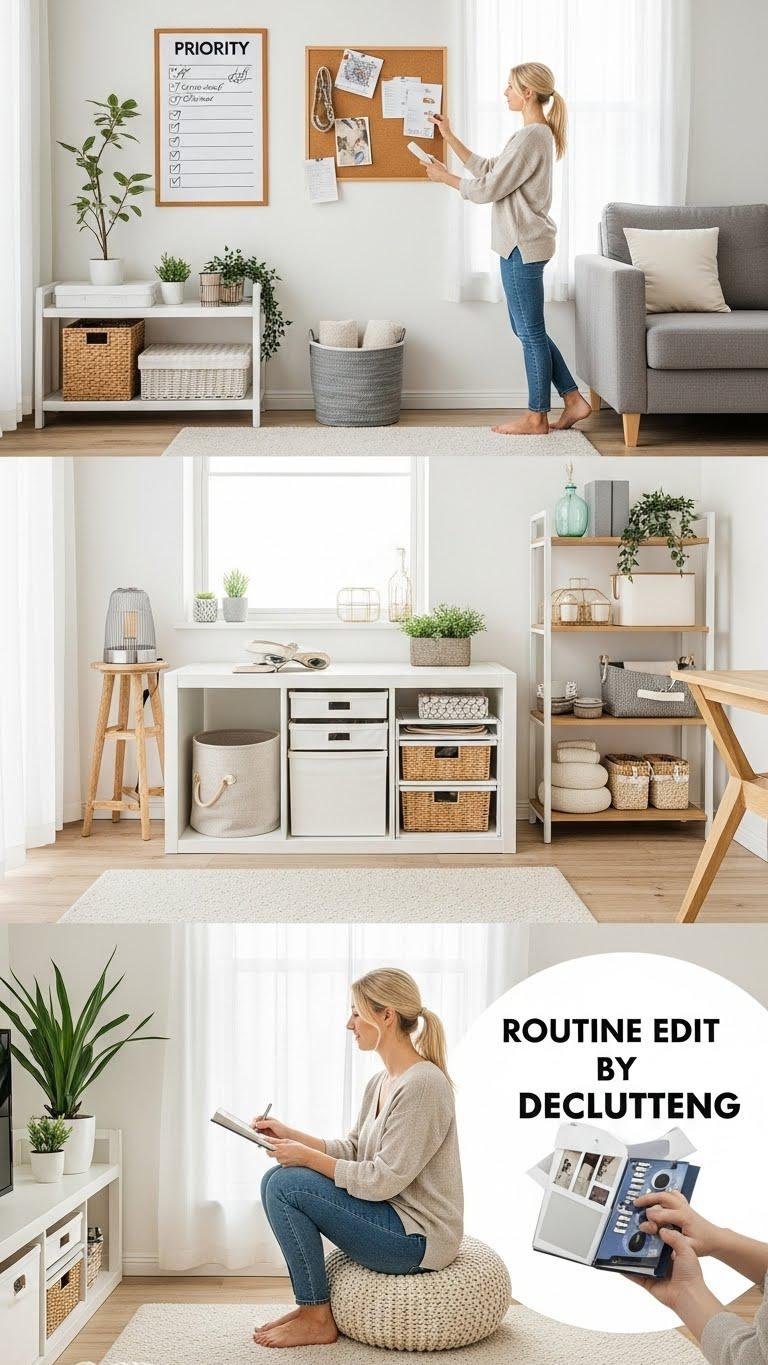
Because you use a handful of items every day, plan your layout around them so movement feels natural and effortless. Map your daily essentials with usage mapping, then create a priority checklist to keep must-haves accessible.
Do a Routine edit weekly, removing clutter and adjusting zones. You’ll gain freedom of motion and clarity, designing a small space that supports your habits without sacrificing style.